 By Trendsetter Tribune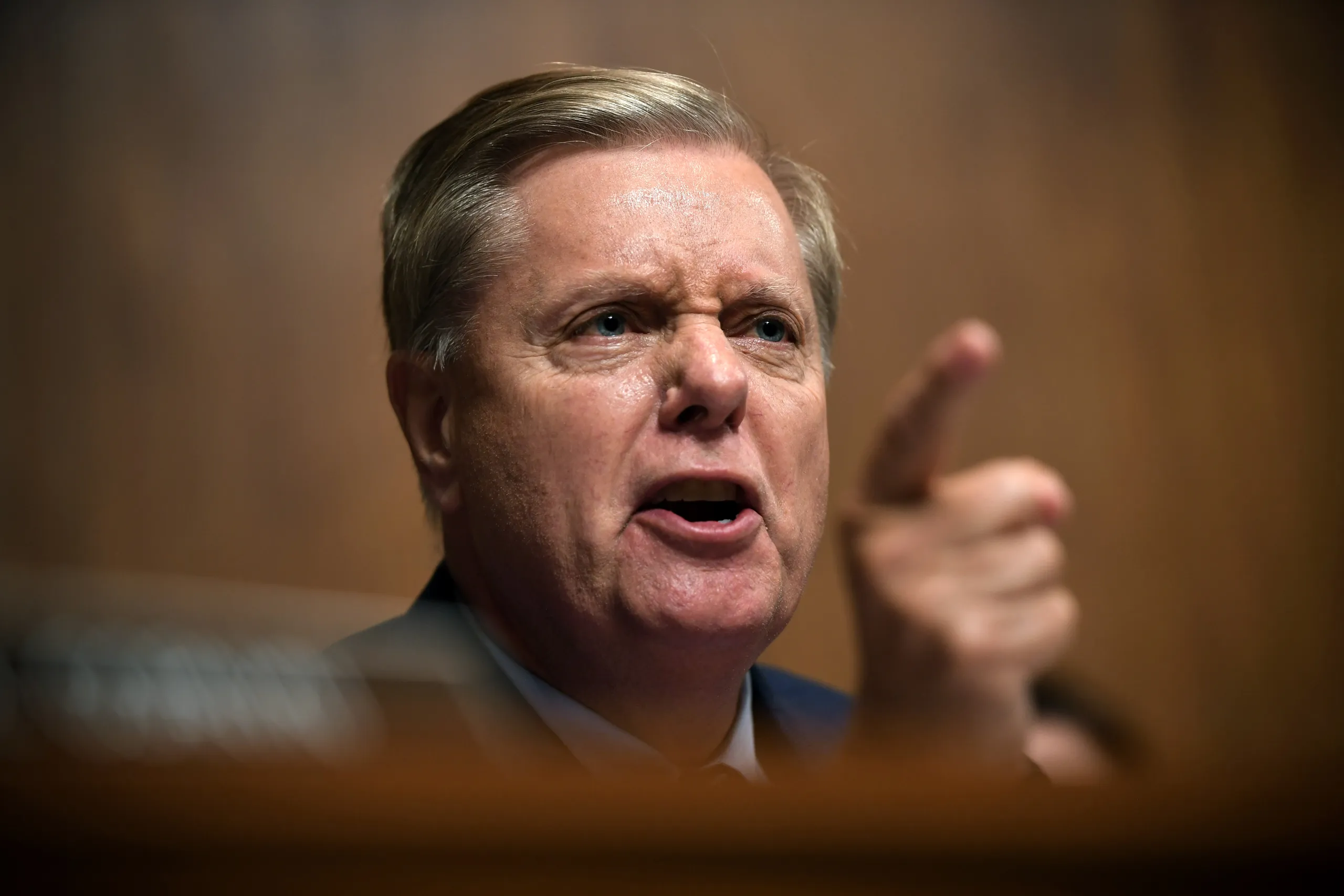
Sen. Lindsey Graham blasted DNC Chair Ken Martin after Martin compared the U.S. to Iran over protests and alleged authoritarian behavior, igniting a fierce political backlash.
A bitter war of words erupted this week between Sen. Lindsey Graham and Democratic National Committee Chair Ken Martin after Martin compared the United States to Iran, accusing both governments of exhibiting authoritarian behavior.
The clash highlights escalating political tensions in the U.S. as protests over immigration enforcement and police violence collide with global unrest abroad — and as the rhetoric surrounding those events becomes increasingly personal and explosive.
What Sparked the Confrontation
The dispute began after Ken Martin praised protesters in Tehran and Minneapolis, saying both were “rising up against systems that wield violence without accountability.”
Martin referenced demonstrations in Iran against the regime of Supreme Leader Ayatollah Ali Khamenei, as well as protests in Minnesota following the Jan. 7 shooting death of 37‑year‑old Renee Good, a U.S. citizen killed by an Immigration and Customs Enforcement officer.
“Solidarity across borders means opposing authoritarian power everywhere and defending the right to live free from fear and state violence,” Martin wrote Sunday on X.
Graham’s Explosive Response
Appearing on Fox News’s “Hannity” on Monday, Sen. Lindsey Graham, a close ally of President Donald Trump, unleashed a blistering response.
“Ken Martin is a worthless piece of crap,” Graham said.
“Can you imagine this guy fighting for freedom? To compare President Trump and the Trump regime to the ayatollah means you got the worst case of Trump derangement syndrome in the world.”
Graham also told Martin to “go to hell,” dismissing the comparison as absurd and offensive.
Martin Fires Back
When reached for comment, Martin did not soften his stance.
“Lindsey Graham is a sniveling coward and a Trump bootlicker who hasn’t had a strongly held conviction in decades,” Martin said.
“I will wear his condemnation as a badge of honor.”
Rather than retreat, Martin doubled down hours later in another social media post.
“If comparing the U.S. to Iran makes you angry, ask why,” he wrote.
“Killing protestors. Crushing dissent. Kidnapping and disappearing legal citizens. Ignoring courts. Threatening critics. Terrorizing communities. That’s authoritarian behavior—anywhere.”
Protests in Iran and the United States
The comparison came as protests continue in both countries under vastly different political systems.
In Iran, demonstrations began more than two weeks ago over economic hardship and have since turned into broader opposition to the ruling regime. According to the U.S.-based Human Rights Activists News Agency, more than 500 protesters have been killed and over 10,700 detained, with independent reporting limited due to an internet blackout.
An unnamed Iranian official told Reuters that 2,000 people, including security personnel, have been killed since unrest began.
In the United States, thousands have protested in Minneapolis and other cities following the death of Renee Good, fueling national debate over ICE enforcement and the use of deadly force.
Trump and Graham Call for Aggressive Action
President Trump has warned that the U.S. may intervene if Iran’s crackdown continues, though he has not announced a final decision.
“If Iran violently kills peaceful protesters, which is their custom, the United States of America will come to their rescue,” Trump said earlier this month. “We are locked and loaded.”
Graham has publicly urged Trump to take decisive action.
“Whatever action we’re going to take needs to embolden the protesters and scare the hell out of the regime,” Graham said on Fox News’s “Sunday Morning Futures.”
“If I were you, Mr. President, I would kill the leadership that are killing the people,” he added.
On Tuesday, Trump announced he had canceled meetings with Iranian officials until the “senseless killing of protestors STOPS.”
Analysis: Rhetoric Replacing Restraint
The exchange underscores how global crises and domestic unrest are increasingly colliding in U.S. political discourse. Comparisons between authoritarian regimes and democratic governments remain deeply polarizing, often triggering fierce reactions rather than substantive debate.
As protests continue at home and abroad, the political temperature shows little sign of cooling — and rhetoric from leaders on both sides suggests the divide is only widening.
Conclusion
What began as a social media comparison quickly escalated into one of the most personal political confrontations of the week, reflecting broader anxieties over power, protest, and accountability.
With unrest unfolding in Iran, demonstrations persisting in U.S. cities, and election‑year politics looming, clashes like this one are likely to become more frequent — and more volatile.