 By Trendsetter Tribune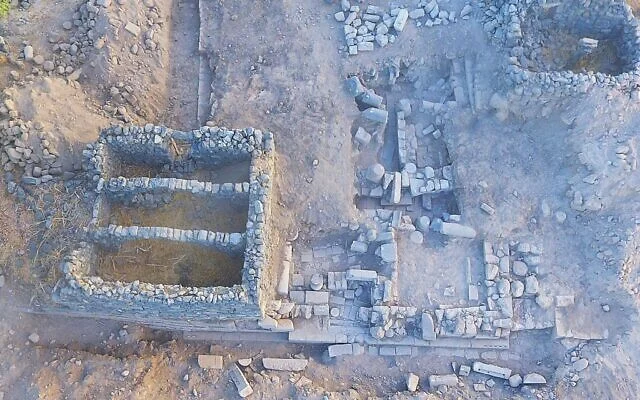
In a landmark discovery for Biblical archaeology, researchers have finally located the exact site of a 1,500-year-old synagogue in the Yehudiya Forest Nature Reserve. While archaeologists had documented hundreds of ancient basalt fragments scattered throughout an abandoned Syrian village in the area for decades, the original building itself had remained hidden—until now.
The find, announced late in 2025 and continuing into the 2026 excavation season, provides significant evidence of a thriving Jewish community in the Golan Heights during the Roman and Byzantine periods.
The Breakthrough: Following the “Columns on the Path”
The discovery was made by a team led by Dr. Mechael Osband of the Zinman Institute of Archaeology at Haifa University and the Kinneret Academic College.
- The Lead: Field teams noticed an unusual concentration of column drums and decorated stones laid out along a path in the modern abandoned village.
- The Excavation: Digging beneath the later layers of construction, the team uncovered the southern wall of the ancient structure, which features three distinct openings oriented toward Jerusalem.
- Basilica Layout: The building measures approximately 13 meters (43 feet) wide and at least 17 meters (56 feet) long. It follows a standard basilica plan with two rows of columns and built-in stone benches lining the walls.
Key Artifacts and Symbolism
Beyond the structural walls, researchers have unearthed fragments that confirm the building’s religious and communal identity:
- Menorah Reliefs: Stone carvings featuring the seven-branched menorah, a primary symbol of Jewish identity in antiquity.
- Tabula Ansata: A large rectangular stone tablet with “dovetail” handles, which often carried inscriptions or dedications.
- Torah Ark Fragments: Decorated stone pieces interpreted as belonging to the holy shrine where Torah scrolls were stored.
- Vines and Floral Motifs: Ornate lintels (the horizontal beams above doorways) carved with intricate patterns common to Roman-Byzantine Jewish art.
A Thriving Regional Network
This synagogue is one of roughly 25 ancient houses of worship identified in the Golan Heights. According to Dr. Dror Ben-Yosef of the Israel Nature and Parks Authority, these buildings served as more than just prayer halls—they were centers of learning and community identity.
| Feature | Details |
| Dating | Late 3rd Century to 8th Century CE (Byzantine Era) |
| Material | Local black basalt stone |
| Community | Prosperous Jewish settlement engaged in trade and agriculture |
| Site Status | Ongoing excavation; plans to make it accessible to visitors |
Next Steps for the 2026 Season
Archaeologists are now shifting their focus to the interior floors and the northern wall, which has not yet been fully exposed. By analyzing pottery and coin finds beneath the floors, the team hopes to establish a more precise “foundation date” for the building and determine how the community navigated the transition from Byzantine to early Islamic rule.