 By Trendsetter Tribune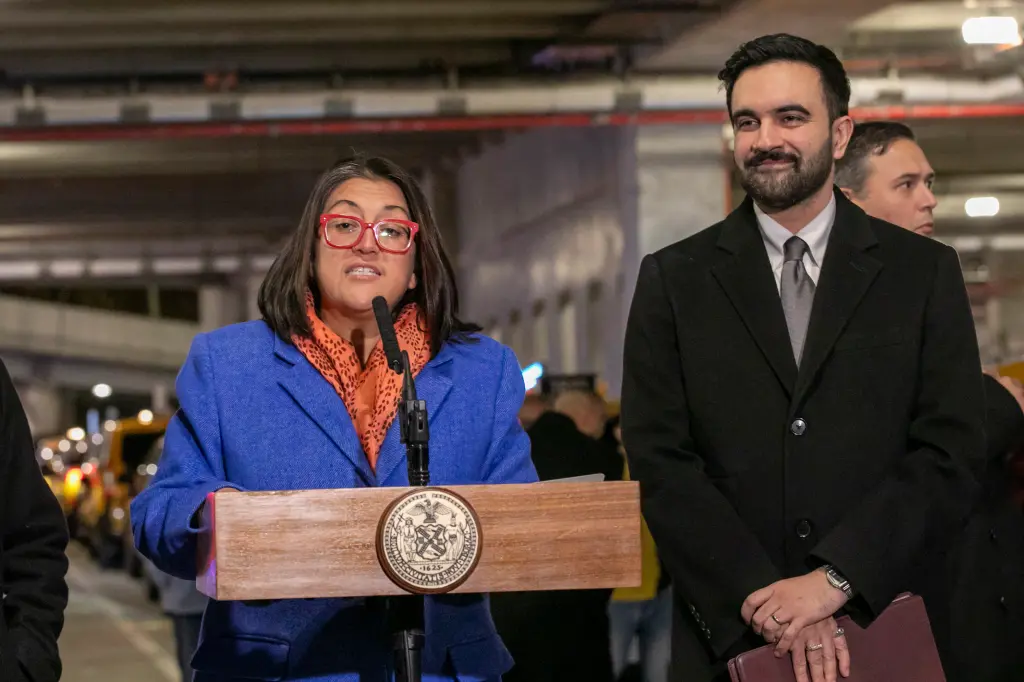
New York Mayor Zohran Mamdani has nominated Midori Valdivia as Taxi and Limousine Commission commissioner, as taxi drivers urge him to finish unresolved medallion debt relief efforts.
New York City’s taxi and for-hire vehicle drivers played a pivotal role in Mayor Zohran Mamdani’s rise to office. His decision to nominate a new Taxi and Limousine Commission (TLC) commissioner is now being closely watched as a signal of whether his administration will complete long-promised reforms—particularly relief for drivers still burdened by crushing medallion debt.
What Happened
Mayor Zohran Mamdani announced Tuesday night at LaGuardia Airport that he has nominated Midori Valdivia to serve as the city’s next Taxi and Limousine Commission commissioner. Valdivia, 42, previously served as a deputy commissioner at the TLC and currently sits on the board of the Metropolitan Transportation Authority (MTA).
Her appointment is subject to confirmation by the New York City Council.
Standing alongside dozens of yellow cab and app-based drivers, Mamdani framed the announcement as part of a broader effort to center working-class New Yorkers in city governance.
“From City Hall, we will deliver meaningful change in the lives of the working people too often forgotten by our politics,” Mamdani said, adding that taxi drivers “deserve a forceful champion at the TLC.”
Who Is Midori Valdivia
If confirmed, Valdivia would oversee the agency responsible for regulating more than 200,000 drivers across yellow taxis, Uber, Lyft, and other for-hire vehicles. The TLC sets fare structures, enforces safety and licensing standards, and issues penalties for violations.
In a statement following the announcement, Valdivia said she was honored by the nomination and emphasized her focus on equity and safety.
“It is an incredible honor to be nominated to join the Mamdani administration as they work to deliver safer streets and a more equitable economy,” she said. “I’m committed to delivering for drivers, passengers, and New Yorkers across the city.”
The Political Context
The announcement drew a crowd of drivers who were instrumental in Mamdani’s election campaign, many of whom are immigrants from South Asia and other regions who have long argued that city leadership ignored their struggles.
Mamdani’s relationship with taxi drivers dates back several years. In 2021, he joined drivers in a 15-day hunger strike outside City Hall, demanding relief from predatory medallion loans that had devastated families and contributed to a series of driver suicides.
That protest ultimately led to a landmark medallion debt relief program, which has provided approximately $475 million in relief to more than 2,000 drivers.
The Unfinished Fight Over Medallion Debt
Despite the progress, advocates say the work is not complete. More than 200 drivers remain excluded from the program because their private lenders declined to participate.
One of them is Wain Chin, a 58-year-old yellow cab driver who immigrated from Myanmar in 1992 and has driven in New York City for more than three decades. Chin said his lender has offered a cash settlement to buy out his loan—an amount he cannot afford.
“We believe that Mamdani can help get us across the finishing line and bring debt relief for drivers like me,” Chin said.
While the TLC does not have direct authority over private lenders, advocates say the mayor’s office could still play a role by pressuring holdout lenders or brokering alternative buyout arrangements.
What Driver Advocates Want Next
For Bhairavi Desai, executive director of the New York Taxi Workers Alliance, which represents roughly 28,000 drivers, resolving the remaining debt cases is only the first step.
Advocates are also pushing for stronger protections for app-based drivers, fairer fare structures, and enforcement policies that do not disproportionately penalize immigrant workers.
What Comes Next
Valdivia’s nomination now heads to the City Council, where lawmakers will question her priorities and approach to regulation, enforcement, and driver protections. Her confirmation process is expected to draw close attention from labor advocates, ride-hailing companies, and lenders alike.
For many drivers who helped propel Mamdani into office, the decision will be judged less by symbolism than by whether it leads to concrete action on long-standing financial and labor issues.