 By Trendsetter Tribune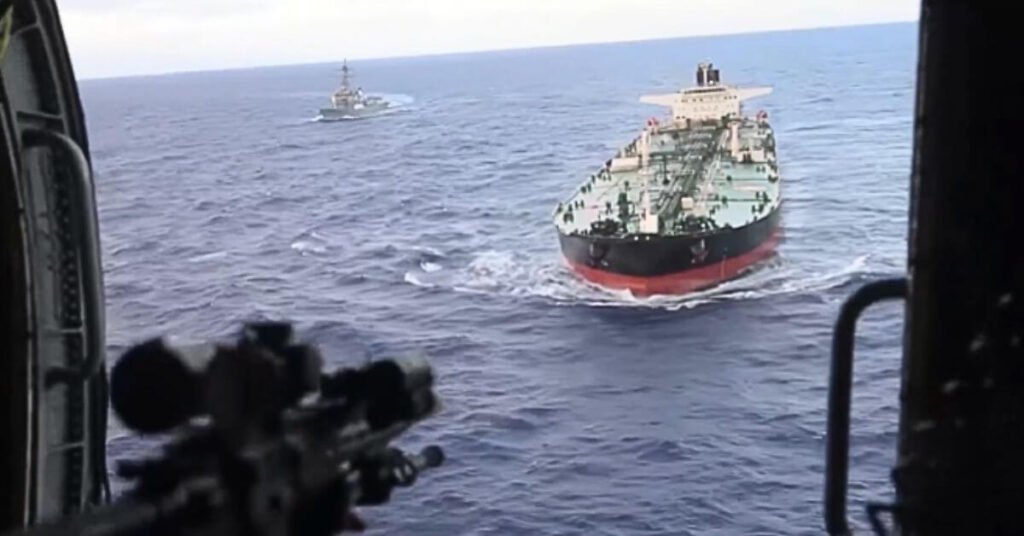
In an unprecedented move that signals a hardening stance against sanctioned energy trades, the Indian Coast Guard successfully intercepted and seized three oil tankers linked to Iran’s “dark fleet” on Friday, February 6, 2026. This operation, conducted approximately 100 nautical miles west of Mumbai, represents New Delhi’s first direct physical intervention against ships used to bypass global sanctions.
The Operation: Tech-Enabled Interception
The seizure was the result of a meticulously coordinated sea-and-air operation triggered by “tech-enabled surveillance and data-pattern analysis.” According to the Indian Coast Guard, the syndicate exploited mid-sea ship-to-ship (STS) transfers in international waters to move cheap oil while evading coastal duties and international oversight.
- Tactics Exposed: Investigators noted that the vessels frequently changed their names and flag registrations—a practice known as “flag-hopping”—to evade tracking.
- Action Taken: Unlike previous instances where sanctioned ships were simply denied port entry, these three tankers were physically detained and escorted to Mumbai for legal proceedings.
The Seized Vessels
While the Indian government initially referred to the ships as part of a “smuggling racket,” maritime tracking firms and analysts have identified the specific tankers and their ties to the Iranian shadow fleet:
| Vessel Name | IMO Number | Key Details |
| Stellar Ruby | 9555199 | Operating under the Iranian flag; previously sanctioned by the U.S. |
| Asphalt Star | 9463528 | Linked to the network of sanctioned shipowner Jugwinder Singh Brar. |
| Al Jafzia (ex-Chiltern) | 9171498 | Broadcasting a Nicaraguan flag; identified as a core “dark fleet” asset. |
“This operation proves India’s role as a net provider of maritime security and a guardian of the rules-based international order.” — Indian Coast Guard Statement
Geopolitical Implications: The “Donroe Doctrine”
The seizures come at a time of significant diplomatic maneuvering between New Delhi and Washington. Analysts suggest this move is a direct response to the “Donroe Doctrine”—the Trump administration’s aggressive push to tighten control over global oil flows.
- The U.S.-India Trade Deal: The operation follows a recent trade agreement where Washington lifted a 25% punitive tariff on Indian goods. In exchange, India reportedly assured the U.S. it would diversify its energy sources and move away from Russian and Iranian crude.
- Pressure on Russia: These seizures occurred as Washington continues to pressure New Delhi to halt purchases of Russian crude, which had become a mainstay of India’s energy imports over the past two years.
- Regional Warning: By targeting these vessels in the Arabian Sea—one of the world’s most critical energy corridors—India is signaling to beneficial owners that the risk of using “shadow” tactics in Indian-controlled waters has increased exponentially.