 By Trendsetter Tribune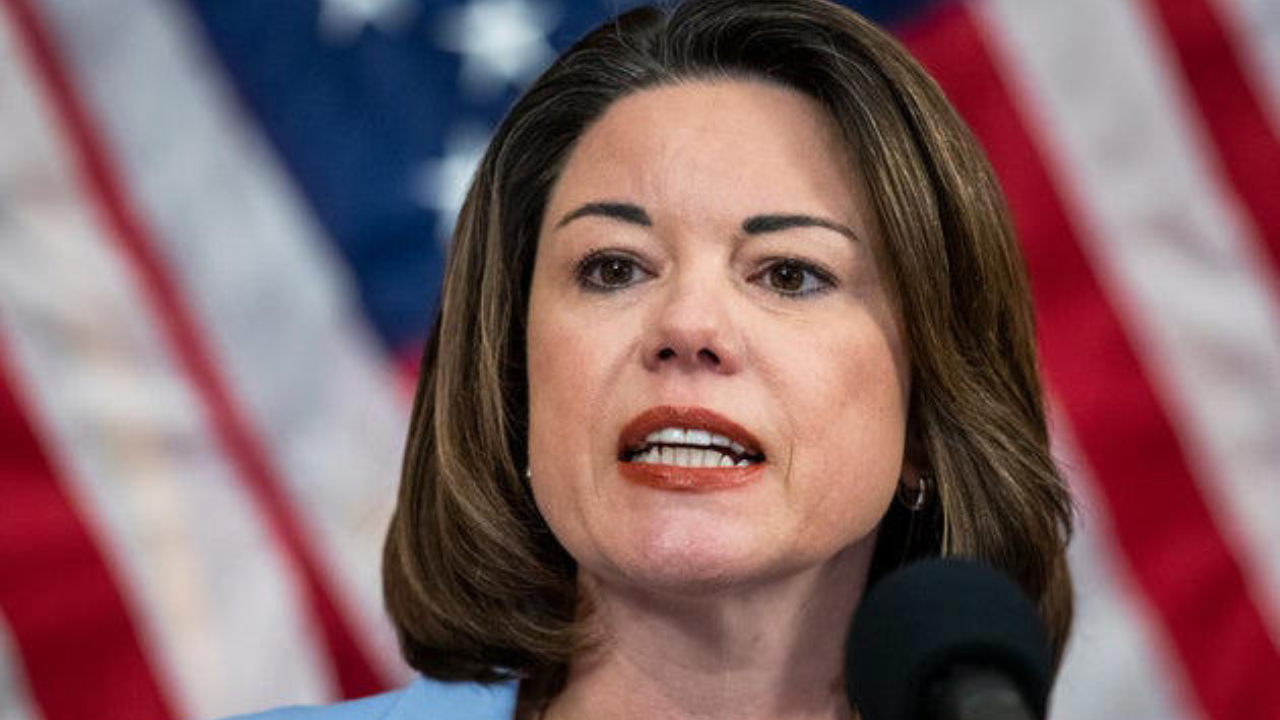
The Democratic primary for Minnesota’s U.S. Senate seat has turned sharply negative as Trump-era ICE raids and a shooting in Minneapolis deepen ideological divides between Peggy Flanagan and Angie Craig.
The Democratic primary to replace retiring Sen. Tina Smith has become an early test of how the party navigates immigration politics in the second Trump era. A surge of ICE activity in Minneapolis—and the shooting of a civilian by an ICE officer—has intensified long-simmering ideological tensions between progressive and moderate Democrats, turning Minnesota’s Senate race into one of the most contentious primaries of the 2026 cycle.
Background: A Seat Democrats Cannot Afford to Lose
Minnesota leans Democratic, but the party views the open Senate seat as critical to its hopes of regaining control of the chamber. Republicans have not won a Minnesota Senate race since 2002, yet GOP strategists see immigration enforcement and a state welfare fraud scandal as potential vulnerabilities.
The Democratic contest pits Lt. Gov. Peggy Flanagan, a progressive with deep ties to grassroots organizers, against Rep. Angie Craig, a moderate lawmaker who has represented a swing suburban district outside Minneapolis.
What Happened: ICE Raids Ignite Political Fallout
The race turned sharply negative after President Donald Trump ordered a surge of immigration agents into Minneapolis. Tensions escalated further when an ICE officer shot a civilian, sparking outrage among Democrats and activists across the state.
Flanagan accused Craig of political inconsistency on immigration enforcement, arguing that her past votes show a willingness to side with Republicans when convenient.
“This Senate race is a fundamental question about whether we’re going to have a senator who sticks to their values,” Flanagan said, accusing Craig of voting with Trump and the GOP on immigration-related measures.
Craig fired back, calling Flanagan’s attacks “disgusting” and accusing her of exploiting a public safety crisis to damage a fellow Democrat.
“I would advise the lieutenant governor to join me in fighting the Trump administration and this lawless thug group of ICE agents,” Craig said, “instead of attacking another Democrat.”
The Voting Record at the Center of the Dispute
Flanagan has pointed to two votes as evidence Craig cannot be trusted by Democratic primary voters:
- Craig’s January vote for the Laken Riley Act, which expanded Trump’s authority to detain immigrants accused of crimes.
- Her June vote for a Republican-backed resolution condemning antisemitism following an attack in Colorado that also expressed gratitude to ICE and other law enforcement agencies.
Craig has defended both votes, calling the ICE resolution a Republican “gotcha” bill designed to divide Democrats, but said she supported it to condemn rising antisemitism nationwide.
Since last summer, however, Craig has taken a more confrontational stance toward ICE. She has publicly demanded that ICE officers leave Minnesota, helped introduce articles of impeachment against Homeland Security Secretary Kristi Noem, and recently attempted—unsuccessfully—to enter an ICE detention facility with other Minnesota Democrats.
At a campaign event, Craig held up a sign reading: “Impeach Kristi Noem.”
Analysis: Immigration Politics in a Shifting Landscape
The clash highlights the political risk for moderate Democrats as public opinion on immigration enforcement swings rapidly. While many voters favored tougher immigration measures in 2024, ICE’s aggressive tactics under Trump have triggered backlash among Democratic primary voters, particularly in urban and progressive areas.
Similar dynamics are emerging elsewhere. In Illinois, Lt. Gov. Juliana Stratton’s Senate campaign has attacked Rep. Raja Krishnamoorthi over a vote expressing gratitude for ICE, signaling that immigration enforcement is becoming a primary litmus test across blue states.
Republicans are watching closely. The GOP has begun rallying behind Michele Tafoya, a former sports broadcaster turned conservative commentator, hoping Democratic infighting will create an opening.
The Fraud Question Looming Over Flanagan
Adding another layer of tension is Minnesota’s ongoing welfare fraud scandal involving federal child care funds. Senate Republicans have pressed Gov. Tim Walz for answers, and Flanagan—his lieutenant—could face scrutiny if she becomes the nominee.
Flanagan has called the fraud “completely unacceptable” while deferring responsibility to Walz. Craig, however, warned the issue could damage Democrats in a general election.
“She’s the second-highest-ranking officer in state government,” Craig said, arguing that Flanagan has avoided accountability.
Where the Candidates Align
Despite their bitter dispute, both Democrats agree on several points:
- Neither supports abolishing ICE outright.
- Both favor withholding future funding for ICE ahead of a looming congressional appropriations deadline.
- Both argue the agency needs major reform following recent violence.
“This is an entity that is making all of us less safe,” Flanagan said, citing a family member’s encounter with ICE agents.
Conclusion: A Long Road Ahead
Minnesota’s Democratic primary is still six months away, but the race has already hardened into a proxy battle over values, political pragmatism, and how Democrats should confront Trump’s immigration agenda.
With Republicans eager to exploit divisions and national control of the Senate at stake, the outcome in Minnesota may offer an early preview of how the Democratic Party navigates one of its most volatile issues in 2026.