 By Trendsetter Tribune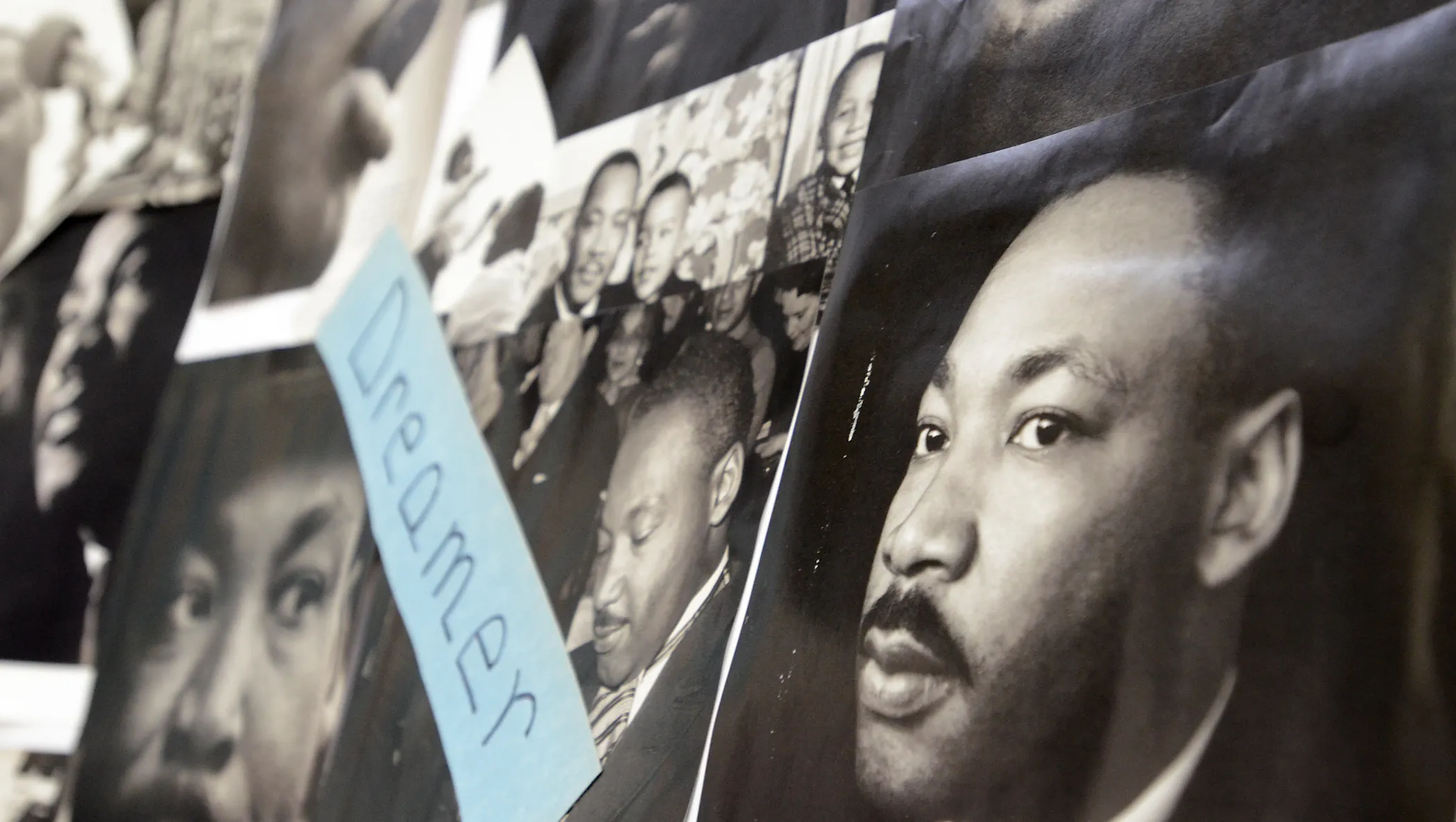
Martin Luther King Jr. Day was observed across the United States with marches, services, and public events, but this year’s commemorations carried a sharper edge as speakers linked Dr. King’s legacy to current concerns over racial justice, inequality, and immigration enforcement.
In New York, civil rights leaders and elected officials used MLK Day events to highlight economic disparities and fears within Black and immigrant communities. Reverend Al Sharpton, speaking in Harlem, referenced the recent killing of a Minneapolis mother during an immigration operation, questioning the use of force and warning that such actions clash with King’s vision of justice and human dignity.
New York City Mayor Zohran Mamdani emphasized inequality, noting that extreme wealth and deep poverty continue to exist side by side. He argued that King’s legacy is not only about rights being granted, but about people having the real power to exercise those rights.
Similar messages were echoed in Washington, DC, Atlanta, Chicago, and other cities, where marchers stressed unity and the unfinished struggle for equality. Advocacy groups said MLK Day took on added urgency this year amid concerns about increased law enforcement actions, immigration crackdowns, and the rollback of diversity and civil rights initiatives under the Trump administration.
Some MLK Day events were canceled or scaled back, with organizers citing budget issues or safety concerns tied to immigration enforcement activity. Meanwhile, civil rights leaders warned that policies affecting voting rights, education, healthcare, and housing threaten progress King fought to achieve.
At Ebenezer Baptist Church in Atlanta, Senator Raphael Warnock urged Americans to recommit to King’s ideals, warning against honoring the civil rights leader in words while undermining his legacy in practice.
As the nation marked the holiday one year into President Trump’s second term, many speakers framed MLK Day not only as remembrance, but as a call to action in a period they see as critical for the future of civil rights and democracy.