 By Trendsetter Tribune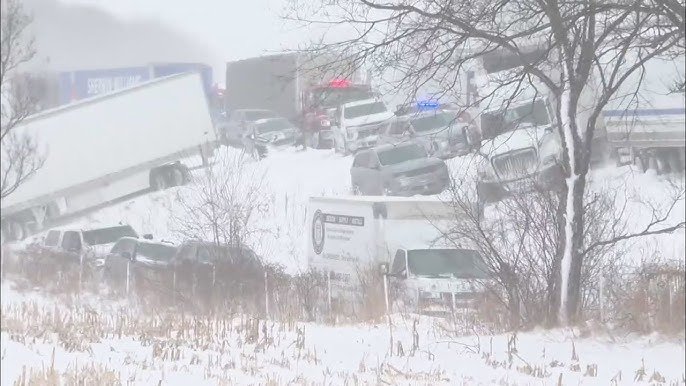
A dangerous and fast-growing winter storm is barreling toward the United States, threatening nearly half the country with extreme cold, heavy snow, and widespread power disruptions. By Friday, the scale of the storm had already prompted emergency declarations across 16 states and Washington, D.C., as officials warned residents to prepare for life-threatening conditions.
Meteorologists say the massive system could affect as many as 230 million people as it takes shape over the Rocky Mountains and Great Plains before surging through the South and Midwest. The storm is expected to slam the East Coast by Saturday and reach as far north as Maine by Sunday, bringing snow, ice, and prolonged Arctic temperatures to regions unaccustomed to such extremes.
States Declare Emergencies Ahead of Impact
Governors across the country moved quickly, issuing emergency declarations that both warn residents of the danger and unlock critical funding and resources. By early Friday, states of emergency were already in effect in Texas, Louisiana, Mississippi, Alabama, Georgia, South Carolina, and North Carolina. Additional declarations followed in Missouri, Tennessee, Virginia, Maryland, Pennsylvania, Arkansas, Kansas, Kentucky, and later New York.
Washington, D.C. Mayor Muriel Bowser also declared a state of emergency, underscoring the storm’s reach and severity.
Trump Weighs In as Weather Turns Deadly
As preparations intensified, President Donald Trump took to social media, posting:
“Record Cold Wave expected to hit 40 States. Rarely seen anything like it before. Could the Environmental Insurrectionists please explain – WHATEVER HAPPENED TO GLOBAL WARMING???”
Climate experts counter that such extreme cold events are not a contradiction of climate change. Instead, scientists say the climate crisis is destabilizing long-standing weather patterns, including disruptions to the polar vortex that allow Arctic air to plunge farther south and linger longer than in the past.
Even the American Red Cross notes this paradox, stating on its website:
“Winters are getting warmer and shorter because of the climate crisis. But, because a warmer atmosphere holds more moisture, heavier snowfalls are more likely to occur.”
Ice, Snow, and Power Failures Loom
Forecasters are warning that this storm may be particularly dangerous due to the combination of snow, sleet, and freezing rain, which could coat roads in ice and bring down power lines. The National Weather Service has projected snowfall totals exceeding 12 inches across parts of the Ohio Valley, Mid-Atlantic, and Northeast.
Southern states are especially vulnerable, as infrastructure there is not designed for prolonged deep freezes. Officials are urging residents to prepare for extended power outages, potentially lasting days.
Panic Buying and Emergency Preparations Underway
Across several states, residents have begun stocking up on essentials. Lines have formed at grocery and hardware stores, with shelves emptied of bottled water, food, blankets, generators, and toilet paper. Local media outlets have shared images of bare aisles as anxiety grows.
More than 100 million Americans are expected to experience below-freezing temperatures through at least next Wednesday, according to forecasts.
FEMA Halts Layoffs as Crisis Builds
In a notable development, the Federal Emergency Management Agency (FEMA) has reportedly paused the termination of disaster-response workers whose contracts were set to expire. According to CNN, staff were told the agency would “cease off-boarding” employees as the storm approaches, signaling concern about stretched emergency resources.
As the monster storm advances, officials across the country are urging people to stay off roads, conserve energy, and take warnings seriously. With Arctic air pushing deep into unfamiliar territory, the coming days could test emergency systems — and millions of Americans — like few winter storms before.