 By Trendsetter Tribune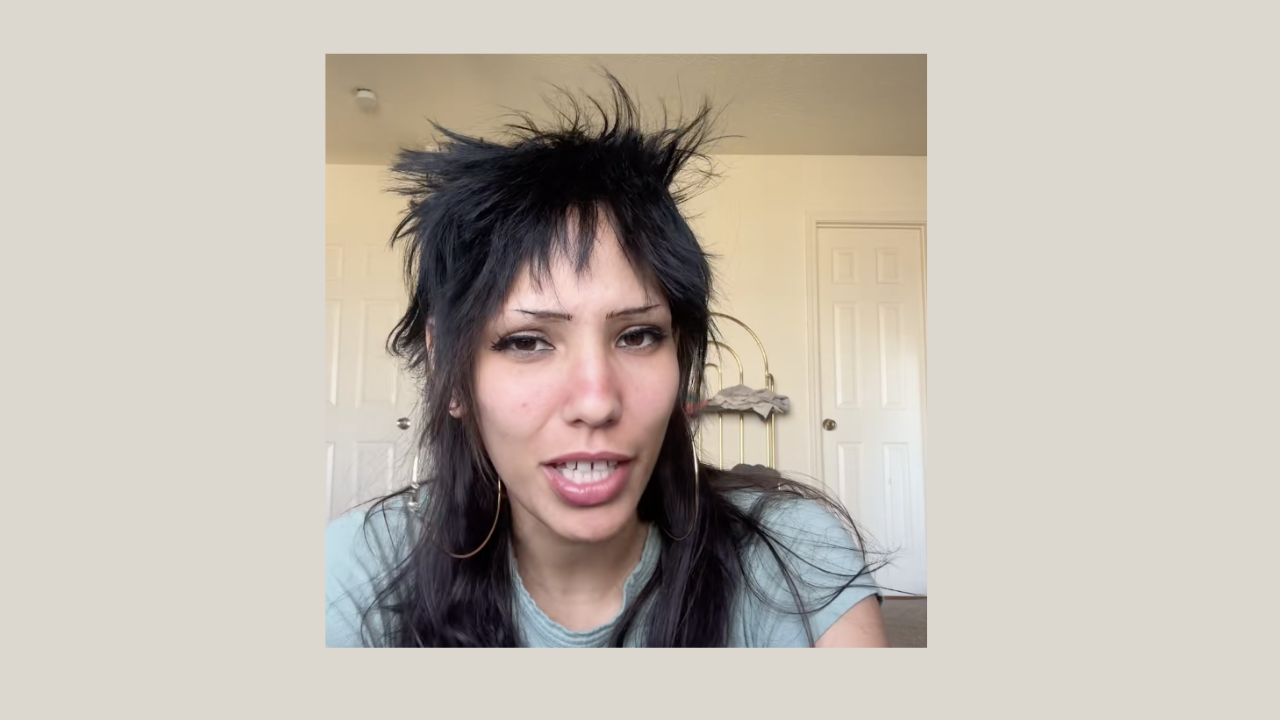
A New Mexico woman’s TikTok videos detailing that her parents are biological siblings have drawn widespread attention online, opening a rare and deeply personal conversation about family dynamics, social stigma, and coming to terms with an upbringing far outside societal norms. Her candid reflections have sparked debate, concern, and curiosity across social media, while highlighting how internet platforms are increasingly used to process and publicly examine complex personal histories.
The woman, who goes by the name Cameron on TikTok, posted a series of videos explaining that she grew up knowing her mother and father were blood siblings. According to Cameron, the fact was not hidden from her during childhood and was openly known within her small New Mexico community.
In one video, she said people in the town were aware of her parents’ relationship and that, as a child, she did not view it as unusual.
“I would tell everyone in elementary school because I thought it was cool that my parents were siblings,” she said.
Cameron explained that it was not until later in grade school that an adult intervened and cautioned her against sharing the information so openly.
“It wasn’t until about fifth grade that my teacher pulled me aside and she was like, ‘I don’t think you should be telling people this,’” she recalled.
Realization with age and access to information
Cameron said her understanding of her family situation changed as she got older, particularly once she had access to the internet and broader information about social norms, genetics, and the legal and ethical concerns surrounding incest.
She explained that learning more about how society views relationships between close relatives caused her to reassess her childhood experiences and her parents’ relationship.
As her awareness grew, she said, so did her recognition that her upbringing was not typical, and that the circumstances surrounding her family were deeply troubling by broader social standards.
A normalized reality in a small town
In a separate video, Cameron addressed how she first learned her parents were related. She explained that the information was never presented as a secret or a shocking revelation.
“I compare it a lot to people who are adopted,” she said. “It was never really shied upon. I think just because it’s so normalized in my neighborhood.”
She added that growing up in a very small town played a role in how the relationship was perceived locally.
“We just always knew,” Cameron said. “They were kind of proud of it.”
How the relationship began
Cameron also explained that her parents did not initially know they were related when they first met. According to her account, they began dating after her father stopped at a diner where her mother worked, following a hunting trip.
“They started dating before they even knew they were related,” she said. “If that helps a little bit.”
Details about how or when they later discovered they were siblings were not clarified in her videos.
Cameron said her parents are still together today, though she described their relationship as volatile and her own connection to them as distant.
Current relationship with her parents
In her videos, Cameron said she no longer maintains a close relationship with her parents.
“They fight all the time,” she said, adding that she has chosen to limit contact.
She also noted that her parents do not use social media and are unaware that she has shared her story publicly on TikTok.
Legal and social context
Incest between close relatives is illegal in nearly every U.S. state. While some states lack explicit criminal statutes addressing sexual relationships between consenting adult relatives, the practice is widely prohibited and socially stigmatized.
Medical experts have long warned that inbreeding significantly increases the risk of genetic disorders, developmental delays, and other health complications, particularly across multiple generations.
One TikTok commenter noted that genetic effects often become more pronounced over time, pointing to historical examples among royal families that practiced intermarriage to preserve wealth and lineage.
Online reactions
Cameron’s videos have generated a wide range of reactions on TikTok, from expressions of sympathy and concern to attempts at providing historical or genetic context. Many users praised her willingness to speak openly about a deeply personal and uncomfortable subject, while others questioned how such a situation could have been allowed to persist within a community.
Some commenters emphasized that Cameron herself bears no responsibility for the circumstances of her birth, while others focused on the psychological impact of growing up in an environment where boundaries were blurred or normalized.
A broader trend of personal storytelling
Cameron’s story reflects a broader trend on social media, where individuals increasingly use platforms like TikTok to share deeply personal experiences that might once have remained private. These disclosures often spark public dialogue around taboo subjects, forcing uncomfortable conversations into the open.
While reactions can be intense, such storytelling also highlights how people use digital spaces to process identity, trauma, and understanding as adults.
Conclusion
By sharing her experience, Cameron has brought attention to an extraordinarily rare and controversial family dynamic, while also underscoring the long-lasting effects of childhood normalization and delayed awareness. Her story has resonated not because of shock value alone, but because it illustrates how perspective can shift over time—and how access to information can fundamentally reshape one’s understanding of their own life.
As her videos continue to circulate, they remain a reminder that behind viral content are real individuals grappling with the consequences of circumstances they did not choose.