 By Trendsetter Tribune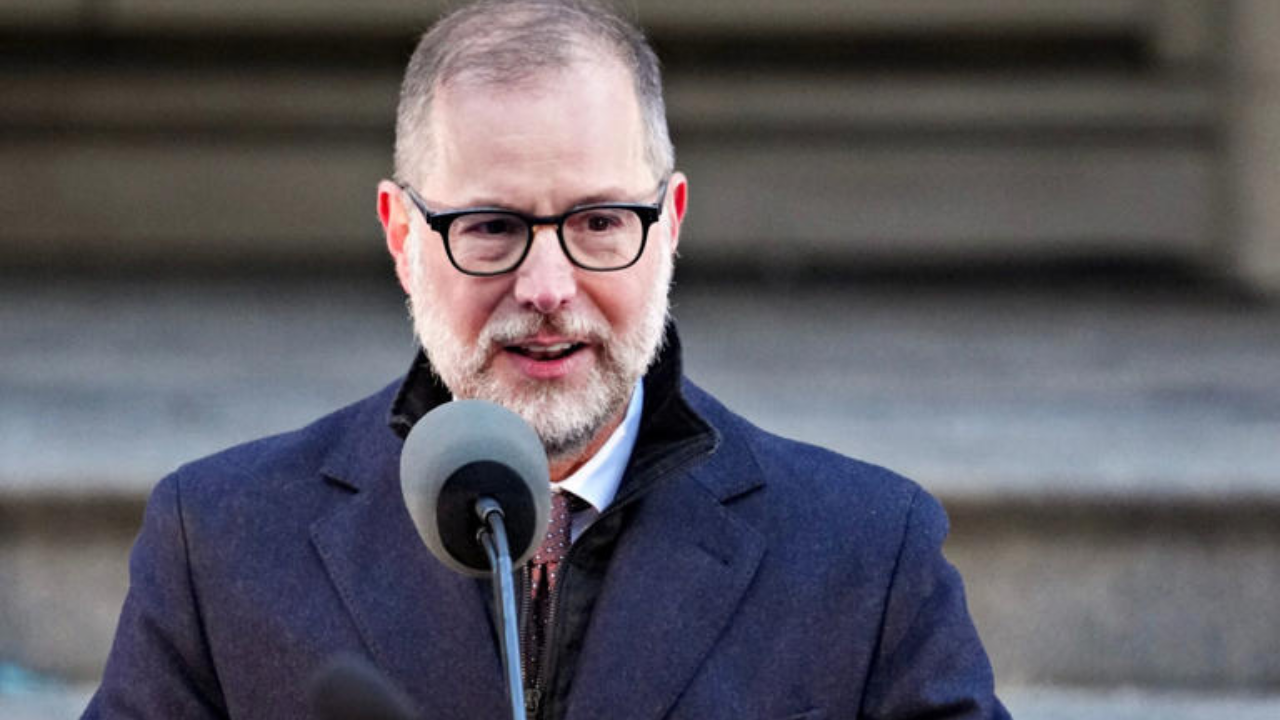
New York City is confronting a $12.6 billion budget shortfall over two years, with Comptroller Mark Levine warning of difficult fiscal trade-offs as Mayor Zohran Mamdani advances an ambitious agenda.
Levine said the city is facing a $2.18 billion deficit in the current fiscal year, followed by a far larger $10.4 billion shortfall in the next, confirming projections released earlier by former Comptroller Brad Lander.
“These gaps are enormous,” Levine said Friday, adding that the city needed to confront the reality of its financial position sooner rather than later.
The estimates reflect expectations of moderate-to-slow economic growth in New York, which Levine said is limiting revenue growth while costs continue to rise.
Economic headwinds and structural problems
Levine pointed to sluggish economic expansion as a key driver of the projected deficits, noting that stronger growth could significantly ease the pressure on the city’s finances.
“If we can grow our economy, we can help avoid these trade-offs,” he said, while acknowledging that such growth is far from guaranteed.
He also criticized the fiscal practices of the previous administration under former Mayor Eric Adams, arguing that city finances were propped up by one-time budget measures rather than sustainable funding strategies.
New York has a long-standing pattern of under-budgeting recurring expenses, including public assistance, rental aid, special education services, and police and fire overtime. Those gaps, according to city and state comptrollers, have contributed to repeated midyear budget adjustments and masked the true scale of spending obligations.
Pressure on Mamdani’s agenda
The deficit projections land as Mayor Zohran Mamdani begins his first term with an ambitious policy platform that includes free buses, expanded childcare, and other costly initiatives.
Mamdani has proposed generating new revenue by raising taxes on wealthy individuals and corporations, though any such changes would require approval from Governor Kathy Hochul and the state legislature.
While Hochul has supported elements of Mamdani’s agenda—particularly childcare expansion—she publicly pledged during her January 13 State of the State address not to raise taxes, complicating the mayor’s financing plans as she seeks reelection in November.
Oversight and looming deadlines
Levine, who took office January 1 alongside Mamdani, oversees the city’s financial health, including auditing municipal agencies, managing New York’s five public pension funds, and monitoring the budget process.
Mamdani appointed Sherif Soliman, a veteran of three mayoral administrations, as budget director in December. The administration faces an imminent deadline, with a budget proposal due by February 1.
“We are raising the alarm now about the scale of these gaps,” Levine said, emphasizing that early acknowledgment is essential to avoiding deeper financial disruption later.
Conclusion
New York City’s looming $12.6 billion budget gap underscores the tension between progressive ambitions and fiscal reality. As economic growth slows and structural weaknesses resurface, city leaders face stark decisions that could shape New York’s financial trajectory for years to come—testing whether bold policy goals can survive in an era of tightening resources.