 By Trendsetter Tribune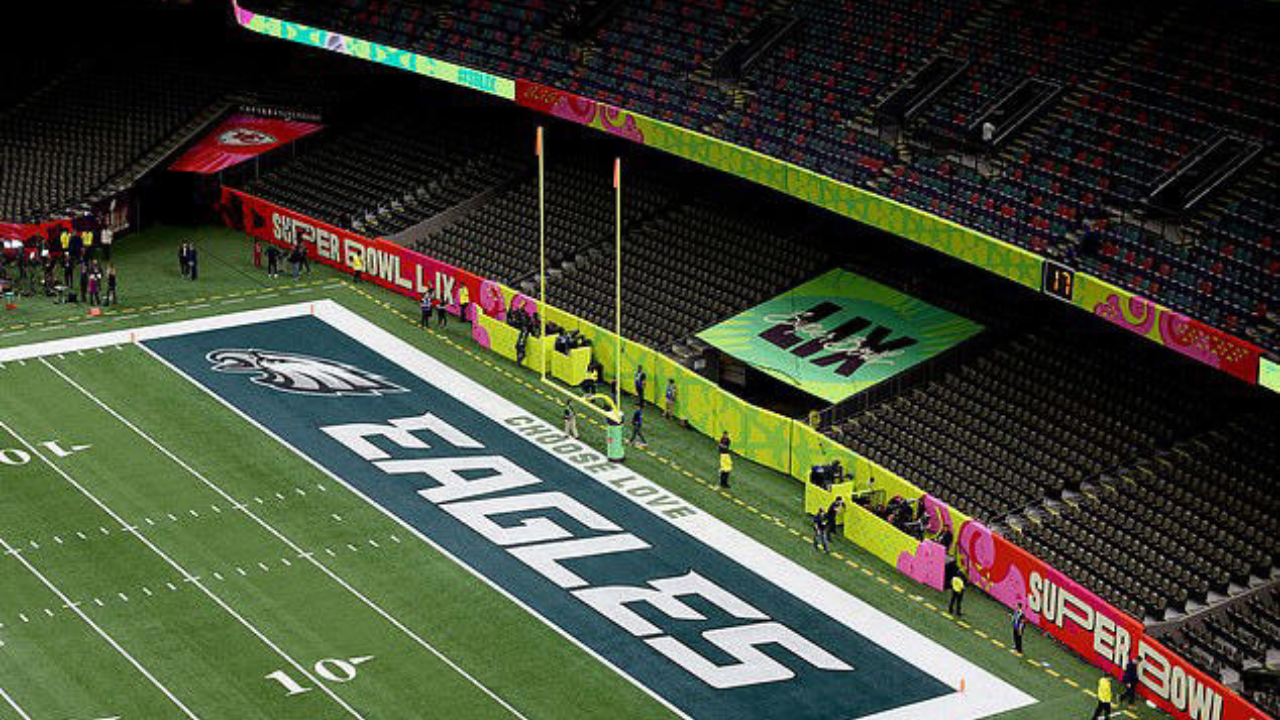
The NFL will display “Choose Love” and other messages honoring Martin Luther King Jr during the divisional round and Super Bowl. The announcement prompted mixed reactions from fans and commentators.
The National Football League has announced plans to honor Martin Luther King Jr. during this weekend’s divisional round playoff games, prompting a range of reactions from fans and commentators. With MLK Day approaching, the league will feature the phrase “Choose Love” in end zones and on helmet decals, and plans to expand messaging into Super Bowl LX next month.
The move represents the latest installment of the NFL’s ongoing use of on-field social messaging, a practice that has been in place for several seasons.
What the NFL Announced
The NFL confirmed that:
- “Choose Love” will be displayed in end zones during all divisional round games this weekend.
- Helmet decals featuring the same phrase will be worn by players.
- During Super Bowl LX, the opposing end zones will feature “Choose Love” and “It Takes All of Us.”
These displays are being timed to coincide with Martin Luther King Jr. Day and are intended to reflect the values associated with Dr. King’s legacy.
The league’s Senior Vice President of Social Responsibility, Anna Isaacson, issued a statement explaining the decision, saying Dr. King’s message continues to guide how the NFL engages with meaningful moments and communities across the sport.
“‘Choose Love’ has become an important and widely embraced message for our teams because it reflects the values Dr. King championed — dignity, empathy, and a commitment to our shared humanity,” Isaacson said.
Fan Reactions: Divided Responses on Social Media
Following the announcement, fan reactions on social media were mixed. Some users expressed support, with comments such as:
- “Classy move by the NFL.”
- “Amazing!! Should be year round!”
- “I speak for everyone when I say we support this.”
Other fans were less supportive, questioning the presence of messaging on the field or helmets:
- “Can we just play the game?” one fan wrote.
- “How about we get rid of all messaging on the back of helmets and end zones, it’s unnecessary,” another wrote.
- A sarcastic comment read: “This changes everything. I was going to choose violence and hate, now I’m going to do a full 180.”
These differing responses illustrate the ongoing tension between sports entertainment and social issue engagement among parts of the NFL’s fan base.
Historical Context: NFL Social Justice Messaging
The use of social messages in NFL games is not new. Over the past six seasons, the league has incorporated various campaigns addressing social justice themes.
In a related discussion last year, television host Bill Maher criticized the NFL’s “End Racism” slogan, calling it “stupid” on his program Real Time with Bill Maher. Maher questioned the effectiveness of such messages on the field, asking rhetorically whether a person with prejudiced views would be influenced by seeing such phrases during a game.
Analysis: Sports, Messaging, and Public Opinion
The NFL’s evolving use of social messaging reflects broader debates about the role of sports leagues in public discourse. Supporters argue that high‑visibility platforms provide opportunities to reinforce inclusive values and honor civil rights leaders. Critics contend that game broadcasts should focus on athletics rather than sociopolitical themes.
Public opinion on the issue remains divided, and the league’s latest announcement underscores how sports organizations navigate cultural and political currents while attempting to engage a diverse fan base.
Conclusion: Messaging Continues to Spark Discussion
As the NFL prepares for divisional round games and the upcoming Super Bowl, its decision to highlight Martin Luther King Jr.’s legacy through phrases like “Choose Love” and “It Takes All of Us” continues to draw both praise and critique. The dialogue around these initiatives will likely persist throughout the season, reflecting larger conversations about identity, sport, and societal values in the United States.