 By Trendsetter Tribune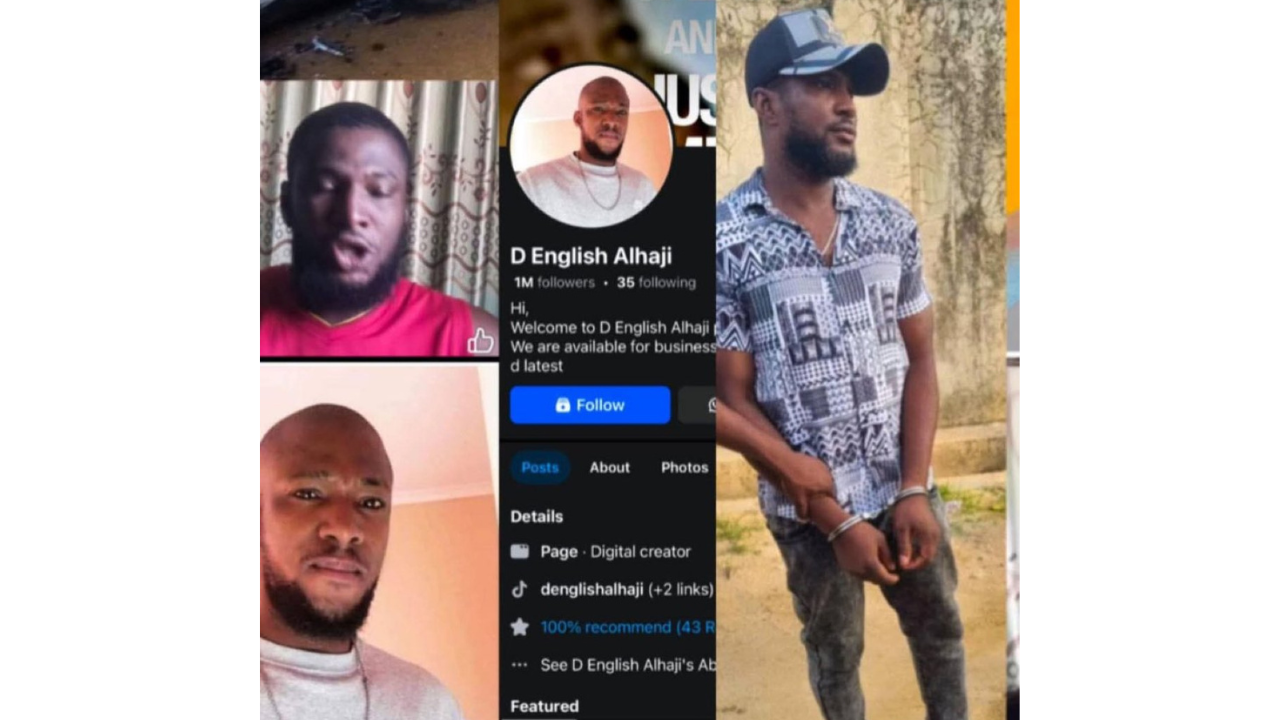
The reported arrest and disappearance of D English Alhaji, a social media commentator known for exposing Islamic terrorist networks, Fulani herdsmen violence, and banditry, raises serious questions about Nigeria’s commitment to security, justice, and free expression.
According to multiple accounts, D English Alhaji was arrested and taken to an unknown location. Three days later, his whereabouts remain unknown. No formal charges have been announced. No official explanation has been provided. His family, supporters, and the wider public have been left in the dark.
This silence is not just troubling — it is dangerous.
A Pattern of Selective Enforcement
Nigeria has long struggled with terrorism, banditry, and communal violence. From Boko Haram to ISWAP, from armed bandits in the northwest to deadly herder-farmer attacks across the Middle Belt, the country is bleeding from multiple security crises.
Yet, while citizens who speak openly about these threats are harassed, arrested, or intimidated, some individuals accused of openly justifying or defending extremist violence continue to move freely.
One of the most glaring examples is Ahmad Gumi, a cleric who has repeatedly engaged with armed bandits, made controversial public statements that appear to rationalize their actions, and maintained unrestricted access to media platforms and political circles. Despite widespread public outrage and security concerns, Gumi remains free — unarrested, unhindered, and outspoken.
This contrast exposes a troubling double standard:
- Those who expose terrorism are silenced.
- Those who normalize or excuse it face little consequence.
Silencing Voices Will Not Defeat Terrorism
Arresting critics does not improve national security. It weakens it.
Citizen journalists, whistleblowers, and social commentators have become an informal early-warning system in Nigeria, often exposing threats long before official institutions respond. Silencing such voices sends a chilling message: truth is more dangerous to the state than terror itself.
If the government believes D English Alhaji committed an offense, due process must be followed:
- Charges must be clearly stated
- Legal access must be granted
- His location must be disclosed
Anything less amounts to intimidation and abuse of power.
A Democracy Cannot Survive Fear
Nigeria’s constitution guarantees freedom of expression. Arbitrary arrests, enforced disappearances, and intimidation undermine that foundation. When citizens fear speaking out against violence, criminals and extremists benefit.
The government cannot credibly claim to be fighting terrorism while:
- Critics are detained without transparency
- Extremist sympathizers enjoy freedom and influence
- Security agencies target speech instead of violence
This approach erodes public trust and fuels the very instability the government claims to oppose.
The Questions Nigeria Must Answer
- Where is D English Alhaji?
- Why has no official statement been issued?
- Why are outspoken critics treated as threats while controversial figures linked to extremist narratives face no accountability?
Until these questions are answered, claims of a serious fight against terrorism will ring hollow.
Conclusion
Nigeria does not need more silence. It needs courage, transparency, and equal application of the law.
Silencing voices like D English Alhaji will not bring peace. Holding all actors — regardless of religion, ethnicity, or political connections — accountable just might.
If the government truly wants to defeat terrorism, it must stop treating truth tellers as enemies and start treating extremism with the seriousness it deserves.