 By Trendsetter Tribune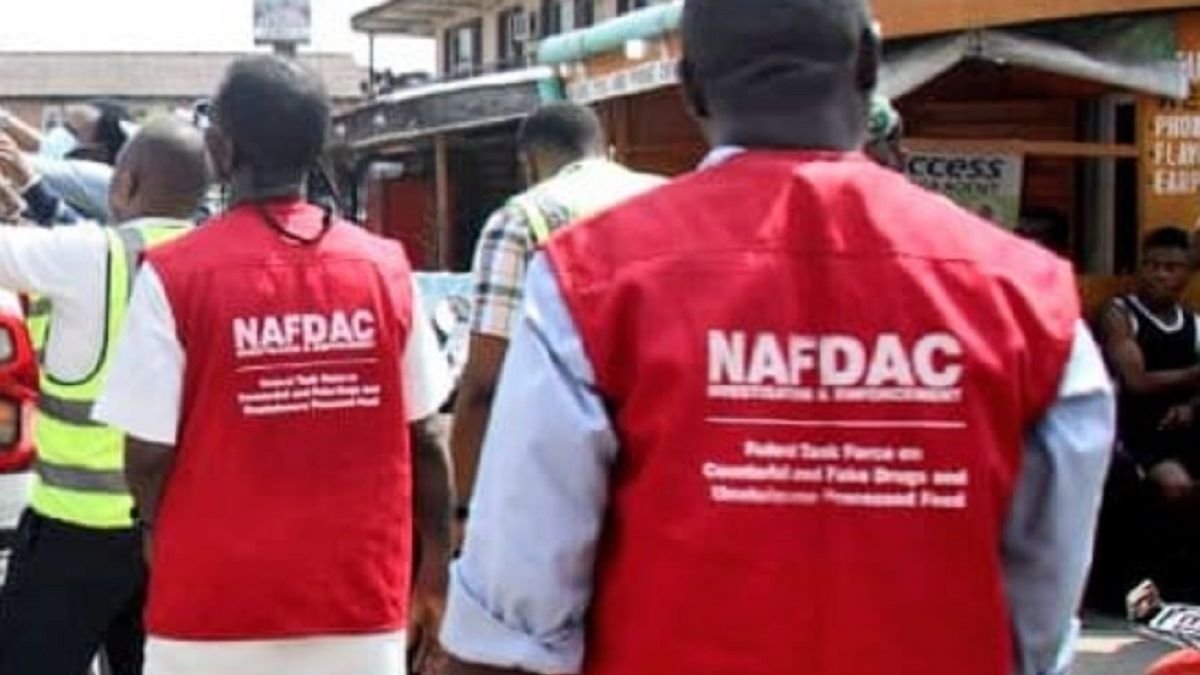
A landmark national survey released on Tuesday, February 3, 2026, by the National Agency for Food and Drug Administration and Control (NAFDAC) has revealed a staggering level of alcohol access and abuse among minors in Nigeria.
The study, conducted in collaboration with the Distillers and Blenders Association of Nigeria (DIBAN), warns that early exposure is no longer just “experimental” but has shifted into habitual, daily use for a significant portion of the youth population.
Alarm Bells: The Core Findings
The survey categorized respondents into minors (under 13) and underage (13–17). The data paints a troubling picture of how deeply alcohol has permeated the lives of Nigerian children.
1. Frequency of Consumption
While many children are “occasional” drinkers, a large segment is consuming alcohol at dangerous intervals:
- Daily Use: 25.2% of underage children (13–17) and 9.3% of minors (under 13) drink alcohol every single day.
- Weekly Use: Roughly 11% of all respondents drink at least once a week.
- Occasional Use: Over 54% of respondents fall into this category.
2. Unrestricted Access
The report highlights a near-total failure in retail enforcement:
- Self-Procurement: 54.3% of minors and underage children simply buy alcohol for themselves at retail outlets without being challenged.
- Social Circles: Nearly half (49.9%) obtain drinks from friends or relatives.
- Home Access: 21.7% of children reported that alcohol is easily accessible within their own parents’ homes.
The “Sachet Menace”: Why Packaging Matters
The survey identified sachet packs and small PET bottles (less than 200ml) as the primary drivers of this crisis. Because these formats are cheap and easy to hide in pockets or school bags, they are the preferred choice for children.+1
| Packaging Type | Minors (Under 13) | Underage (13–17) |
| Sachets | 47.2% | 48.8% |
| PET Bottles | 41.2% | 47.2% |
| Glass Bottles | — | 27.6% |
Hotspot States: The highest rates of sachet and PET-bottle procurement were recorded in Rivers, Lagos, and Kaduna.
Policy Impact: The Sachet Ban Resumes
The release of this data coincides with a major regulatory showdown. NAFDAC Director-General Prof. Mojisola Adeyeye used the findings to defend the agency’s controversial nationwide ban on sachet alcohol and small bottles (below 200ml), which resumed enforcement in late January 2026.
“Access to alcohol by children can be limited if pack sizes that can be easily concealed are not available,” Adeyeye stated. “We cannot continue to sacrifice the well-being of Nigerians for economic gain.”
The Industry Pushback
The ban has faced stiff resistance from the Nigeria Employers’ Consultative Association (NECA) and labor unions, who claim the move could cost five million jobs. They argue that the problem is a failure of “retail enforcement” (checking IDs) rather than the packaging itself. However, NAFDAC maintains that the “peculiarity of the society” makes ID checks at thousands of informal roadside kiosks nearly impossible to enforce.+2
Conclusion: A Call for Collective Action
The report concludes that regulation alone cannot solve the problem. It calls for a “total community approach,” urging:
- Parents to monitor their homes and educate children on the dangers of high-concentration spirits (often 43% ABV).
- Teachers and Religious Leaders to treat underage drinking as a top-tier social emergency.
- Retailers to strictly observe age-limit laws or face severe sanctions.