 By Trendsetter Tribune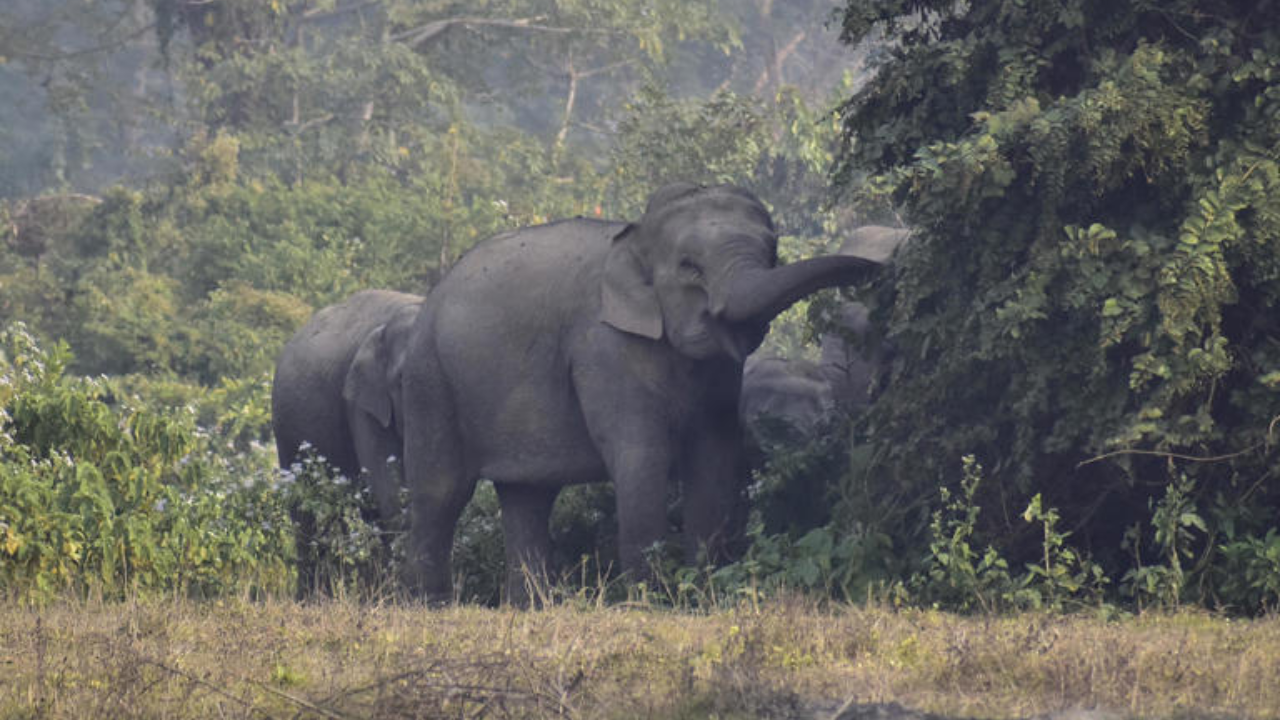
Indian wildlife authorities are searching for a rogue wild elephant blamed for killing at least 20 people in Jharkhand, highlighting growing human-elephant conflict driven by shrinking habitats.
Indian wildlife officers are racing to track down a wild elephant blamed for killing at least 20 people in eastern India, a deadly episode that has sparked fear across dozens of villages and renewed concern about escalating human-elephant conflict.
The rampage in Jharkhand state underscores a broader crisis across India, where shrinking habitats and expanding human settlements are pushing endangered Asian elephants into increasingly dangerous encounters with people.
Background: A deadly nine-day rampage
The elephant, described by officials as a lone adult bull, is believed to have gone on a violent spree for nine days starting in early January in the forests of West Singhbhum district.
“We are trying to trace and rescue this violent wild elephant that killed so many people,” government forest officer Aditya Narayan told AFP, confirming the death toll had reached 20, with at least 15 others injured.
Among the victims were children, elderly villagers, and a professional elephant handler, known as a mahout — highlighting the indiscriminate nature of the attacks.
After leaving a trail of destruction, the elephant has not been sighted since Friday, despite intensive search efforts.
What authorities are doing
Forest officials said multiple search teams are combing dense forest areas using drones and patrols, including parts of a national reserve in neighboring Odisha state.
Police and forest department vehicles have been conducting nighttime patrols to assist frightened residents and provide essential supplies, according to local leaders.
Fear has driven people in more than 20 villages to abandon their farms or barricade themselves inside their homes after dark.
“A police team or forest official vehicle visits in the night to provide essential help to villagers,” said elected village head Pratap Chachar.
Why rogue elephants are so dangerous
Experts say the elephants most likely to attack humans are often solitary male bulls, particularly during “musth” — a periodic condition marked by surging testosterone levels that can trigger aggressive behavior.
A former forest official suggested the elephant involved in the Jharkhand attacks was likely in musth and may have since calmed down or rejoined a herd, making it harder to locate.
While Asian elephants are typically shy, musth bulls are unpredictable and capable of covering large distances in a short time.
A growing national problem
Human-elephant conflict has become a persistent challenge across India.
Hundreds of thousands of people are affected each year by crop-raiding elephants, and official figures show the toll is rising. Parliamentary data indicates that 629 people were killed by elephants across India during 2023–2024 alone.
Asian elephants now occupy just about 15% of their historical range, as forests are fragmented by mining, roads, railways, agriculture, and expanding settlements.
India is home to the largest remaining population of wild Asian elephants, a species listed as endangered by the International Union for Conservation of Nature (IUCN).
Pressure on an iconic species
The Wildlife Institute of India last year estimated the country’s wild elephant population at 22,446, while warning that habitat loss and infrastructure expansion pose mounting risks to the species’ survival.
Recent incidents have underscored those dangers. Last month, seven elephants were killed and a calf injured when a high-speed passenger train struck a herd crossing railway tracks in Assam.
In response, India has opened a dedicated elephant hospital in Mathura, and the southern state of Tamil Nadu has rolled out artificial intelligence and machine-learning systems to monitor elephant movement near railways in an effort to prevent collisions.
Global context: Elephant attacks beyond India
Deadly encounters with elephants are not limited to India. In recent months:
- Two women from the U.K. and New Zealand were killed during a walking safari in Zambia.
- Kenyan officials reported a 54-year-old man killed by an elephant in April 2025.
- Tourists were killed in separate incidents in South Africa’s Kruger National Park and in Thailand, including at an elephant sanctuary and a national park.
These cases highlight the risks that arise when humans and elephants are forced into closer proximity worldwide.
Analysis: Conflict driven by shrinking space
Conservationists say incidents like the Jharkhand rampage are not random but reflect systemic pressures on wildlife.
As elephant habitats shrink and fragment, animals are pushed into human-dominated landscapes, increasing stress, aggression, and the likelihood of fatal encounters. Rogue bulls in musth are especially prone to conflict when migration routes are blocked or disturbed.
Without long-term solutions — such as protected corridors, better land-use planning, and early-warning systems — experts warn that both human deaths and elephant fatalities will continue to rise.
Conclusion
The hunt for the rogue elephant in Jharkhand has become a race against time for Indian authorities and terrified villagers. While officials hope the animal has calmed and moved on, the episode has already left deep scars across rural communities.
Beyond this single case, the tragedy highlights a broader and growing challenge: how to protect human lives while ensuring the survival of one of India’s most iconic and endangered species in a rapidly changing landscape.