 By Trendsetter Tribune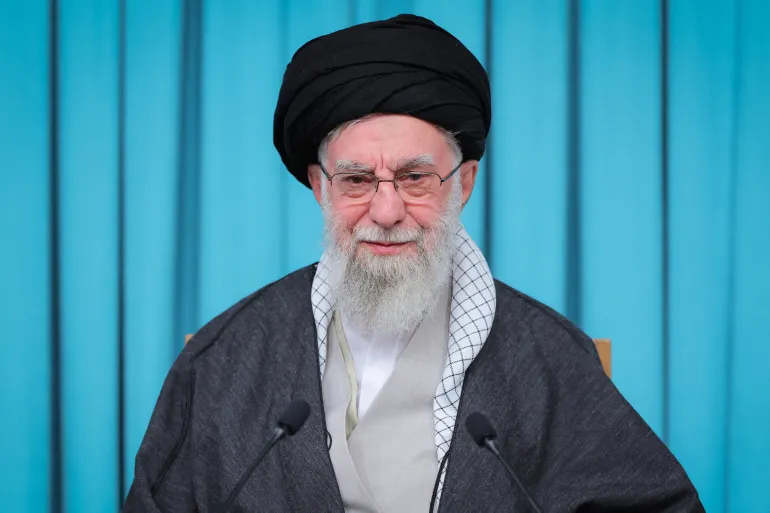
Intelligence sources quoted by The Times of London say Iran’s supreme leader, Ayatollah Ali Khamenei, has prepared a contingency plan to flee Tehran if nationwide protests and unrest intensify — a move reportedly influenced by the dramatic capture of Venezuela’s Nicolás Maduro.
According to the report, the 86-year-old leader would depart the capital with a small inner circle of up to 20 trusted aides and relatives, including his son and presumed successor, Mojtaba Khamenei, if Iran’s security forces were seen deserting or refusing orders.
“The ‘plan B’ is for Khamenei and his very close circle,” one intelligence source told The Times, adding that Moscow is viewed as the most likely destination.
Beni Sabti — a former member of Israeli intelligence who fled Iran years after the 1979 revolution — told the outlet that Russia is considered the safest refuge: “There is no other place for him.”
Protest Pressure and Shifting Dynamics
Mass demonstrations are not new in Iran. The country saw major uprisings in 1999, 2009, 2017, 2019 and again in 2022 — each driven by economic hardship, political repression, and frustration with the ruling clerical system.
But analysts suggest the current moment could be different.
- The so-called “12-Day War” reportedly exposed vulnerabilities in Iran’s defenses.
- The U.S. and Israel were said to operate inside Iranian airspace with little resistance, targeting military and nuclear sites.
- Former U.S. president Donald Trump, commenting on social media, warned that if Iranian forces violently crack down on protesters, “the United States of America will come to their rescue.”
Meanwhile, Iran’s “morality police” have reportedly eased some enforcement measures — a shift believed aimed at stabilizing President Masoud Pezeshkian’s government after the death of former president Ebrahim Raisi in a 2024 helicopter crash.
Despite this, sources told The Times that senior regime figures have begun moving assets, property, and cash abroad, preparing potential escape routes should the situation deteriorate.
Complications and Political Optics
Any escape plan is complicated by the fact that many Iranian officials have family members living in Western nations — including the U.S. — raising questions about assets, asylum, and political fallout if the regime collapses.
Observers also believe the sudden downfall and capture of Venezuela’s Maduro — once considered firmly entrenched — has rattled Tehran and underscored that power can shift quickly.
For now, Iran’s leadership remains in control. But the reports suggest Khamenei and his closest supporters are preparing for scenarios once thought unthinkable — including the possibility of leaving the country entirely if security forces no longer stand with the regime.