 By Trendsetter Tribune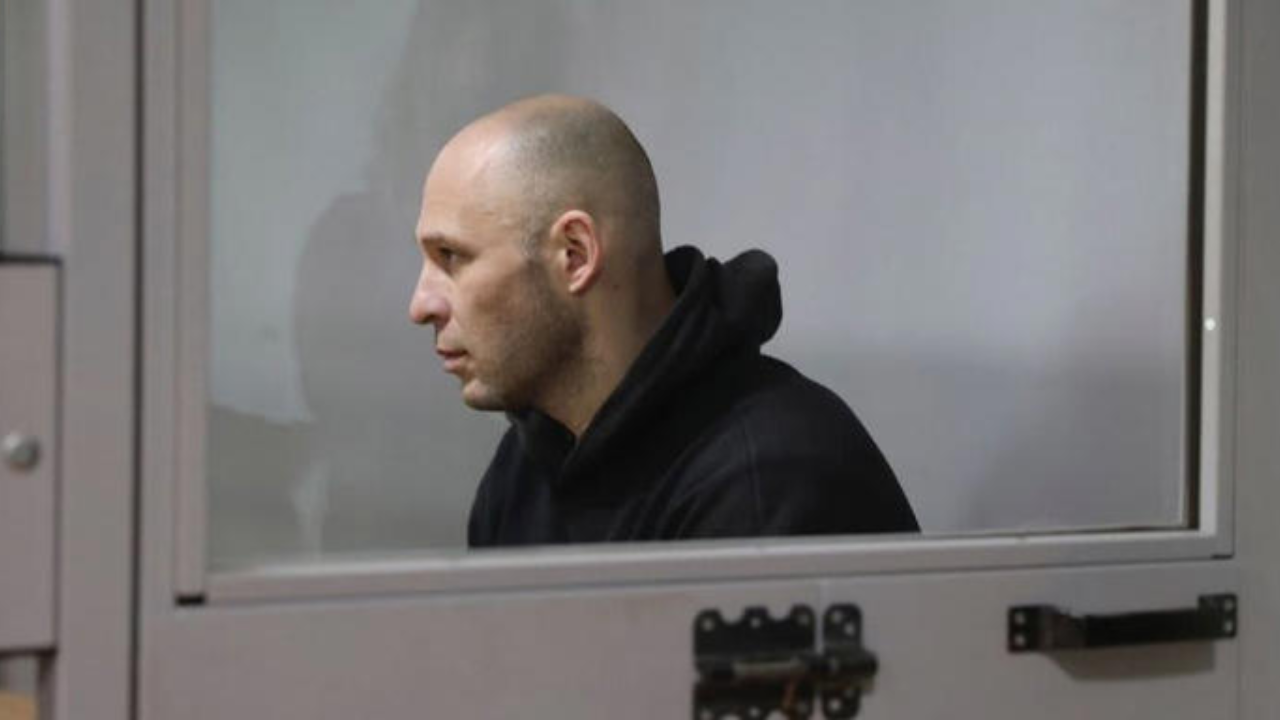
KYIV, Ukraine — A Ukrainian court has sentenced 36-year-old Russian national Sergey Tuzhylov, known by the call sign Altai, to life in prison for his role in the execution of Ukrainian prisoners of war (POWs) during combat operations in 2024.
Background
Tuzhylov served as a rifleman-assault trooper in Russia’s 69th Motorized Rifle Division stationed in the Leningrad Military District. Prior to his mobilization for the conflict in Ukraine, he had two previous prison terms in Russia for drug-related offenses and armed robbery.
According to the Security Service of Ukraine (SBU), Tuzhylov participated in combat near Vovchansk in June 2024. During an assault on a local factory, he and an accomplice executed three captured Ukrainian servicemen. Investigators stated that Tuzhylov personally shot one soldier in the back of the head while the victim’s hands were tied and played a role in the selection and guarding of the other two POWs. Reports indicate the prisoners were also subjected to torture before the executions, with Russian troops reporting the results to their commanders via radio for approval.
Several weeks later, Ukraine’s Defense Forces destroyed Tuzhylov’s unit. He was reportedly the only survivor and was taken prisoner by Ukrainian forces.
Court Proceedings
A Ukrainian court found Tuzhylov guilty of grave crimes, including participation in the abuse and deliberate killing of a Ukrainian POW, as well as committing war crimes as part of a group acting in prior conspiracy. This conviction marks only the second time in Ukraine’s history that a Russian soldier has been sentenced to life imprisonment for executing a captured Ukrainian serviceman.
The first such life sentence was handed down on November 6, 2025, to 27-year-old Dmitry Kurashov, who was convicted for executing a Ukrainian soldier in the Zaporizhzhya sector. Kurashov had previously served time in Russia for theft, and his conviction was the first life sentence in Ukraine specifically tied to the killing of a Defense Forces member.
Reactions and Implications
The sentences highlight Ukraine’s ongoing efforts to hold foreign military personnel accountable for alleged war crimes during the conflict. Human rights organizations have emphasized the importance of fair trials and adherence to international legal standards in prosecuting such cases. The Ukrainian government continues to document alleged abuses by Russian troops as part of broader efforts to seek accountability on the international stage.
Ukraine’s Ministry of Defense noted that pursuing war crime charges serves as both a legal and symbolic deterrent, signaling to occupying forces that violations of the laws of armed conflict will be prosecuted.
Conclusion
The life sentence of Sergey Tuzhylov underscores the severity with which Ukrainian courts are treating cases of abuse and execution of POWs. Observers say it may set a precedent for future trials of foreign soldiers accused of war crimes in Ukraine.