 By Trendsetter Tribune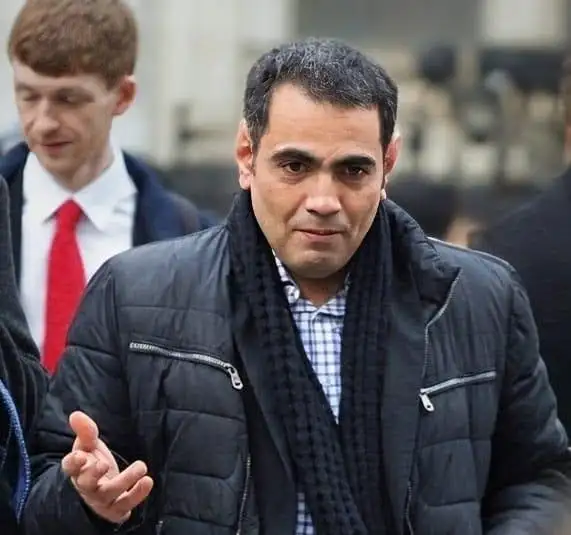
Ghanem al-Masarir, a popular YouTuber known for his satirical criticism of the Saudi royal family, has been awarded over £3 million ($4.1 million) in damages after a UK court found Saudi Arabia responsible for hacking his phones and orchestrating harassment.
The London-based comedian, whose videos have racked up more than 345 million views, first noticed something was wrong in 2018 when his iPhones slowed down and their batteries drained unusually fast. He also began spotting the same faces around London—people who seemed to be linked to the Saudi regime—harassing and filming him in public. Cybersecurity experts later confirmed that al-Masarir had been targeted with the notorious Pegasus spyware.
The hacking allowed intruders to access his location, turn on cameras and microphones, and steal data, including photos. In August 2018, the harassment escalated into a physical attack in central London, during which two men punched him and called him a “slave of Qatar.” The High Court judge noted that one assailant appeared to be wearing an earpiece, suggesting coordination.
“There is a compelling basis that the assault and the hack was directed or authorised by the Kingdom of Saudi Arabia or agents acting on its behalf,” Justice Saini said. The judge also ruled that Saudi Arabia had a clear motive to silence al-Masarir’s public criticism of the royal family.
Even after the attack, the harassment continued. In 2019, a child approached al-Masarir at a café in Kensington, singing a song praising King Salman. The moment was filmed, circulated on social media, and even broadcast on Saudi state television.
Born in Saudi Arabia, al-Masarir has lived in the UK for over 20 years and is now a British citizen. His viral videos often mocked the Saudi authorities, particularly Crown Prince Mohamed bin Salman, generating millions of views. His most popular clip—criticizing authorities for reacting to a video of dancing girls in Saudi Arabia—has mysteriously had its sound removed on YouTube.
Despite the legal victory, al-Masarir says the ordeal has left lasting emotional scars. “No amount of money can repay the harm this has done to me,” he told the BBC. “The hack has really changed me. I am not the same Ghanem I used to be.”
The High Court ruling marks a rare legal win against a foreign state for cyber harassment, highlighting the dangers faced by critics of powerful governments abroad.