 By Trendsetter Tribune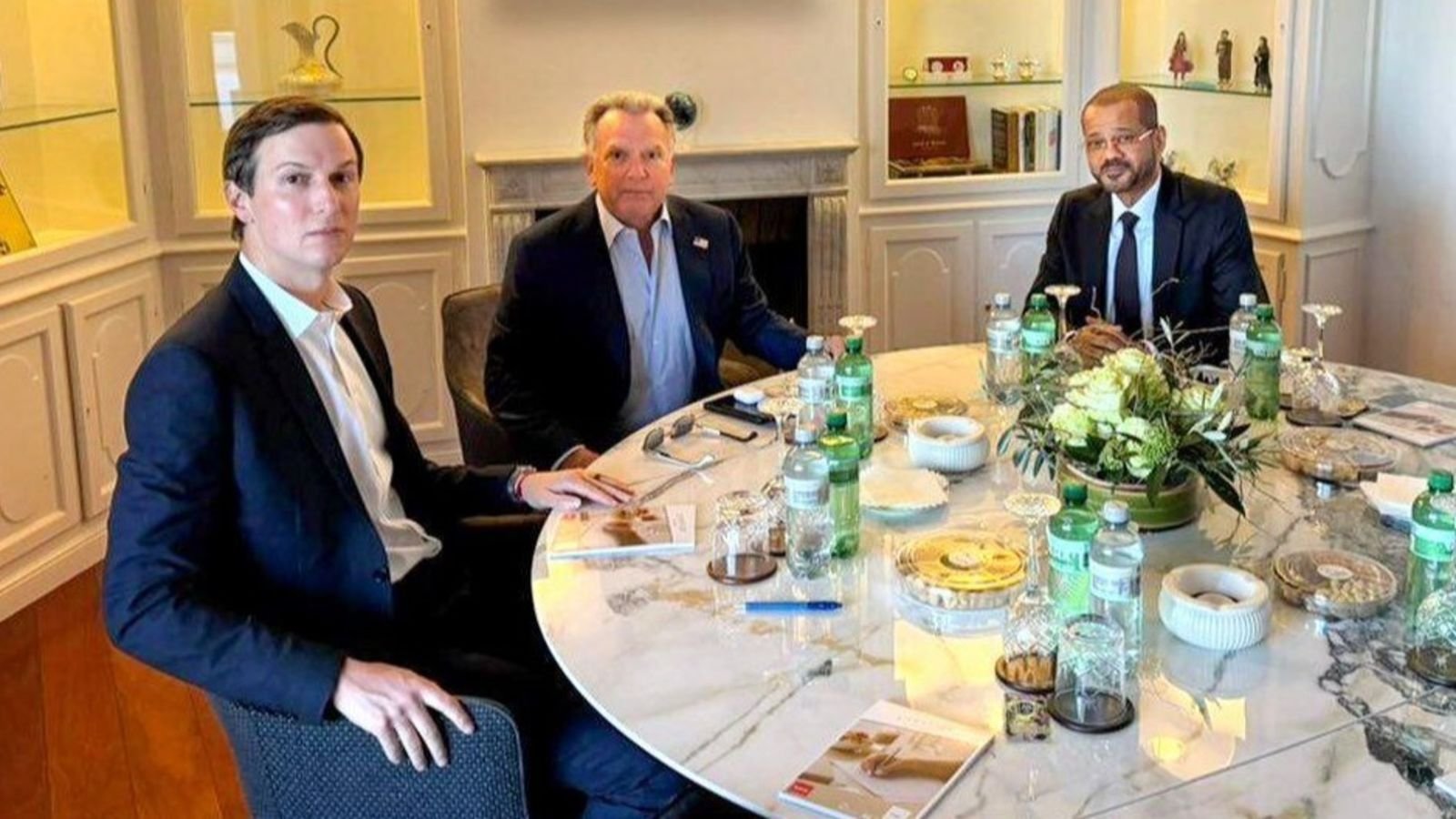
GENEVA — High-stakes, indirect negotiations between the United States and Iran concluded in Geneva on Thursday, February 26, 2026, without a formal agreement, leaving the Middle East on a knife-edge. Despite the lack of a signed deal, Omani mediators and Iranian officials reported “significant progress,” offering a slim hope of avoiding a massive military confrontation as a U.S. strike deadline looms.
The talks occurred against the backdrop of an unprecedented U.S. military buildup in the region and a March 6 deadline set by the White House for Tehran to reach a “meaningful deal.”
The “Intense” Geneva Session
The third round of indirect talks, mediated by Omani Foreign Minister Sayyid Badr Al-Busaidi, lasted over five hours. The U.S. delegation was led by Presidential Envoy Steve Witkoff and Jared Kushner, while Iran was represented by Foreign Minister Abbas Araghchi.
- The Progress: Araghchi stated that the two sides have begun discussing the “elements of an agreement” in both the nuclear and sanctions fields. He characterized the session as “one of our most intense and longest rounds of negotiations.”
- The Sticking Points: Fundamental disagreements remain over Iran’s “right to enrich” uranium. The U.S. is demanding a permanent zero-enrichment guarantee and the transfer of all highly enriched uranium stocks out of Iran—demands that Tehran has publicly rejected as a violation of sovereignty.
- Technical Follow-up: Negotiators agreed to reconvene for technical-level discussions in Vienna starting next Monday, March 2.
A Region on the Brink of War
While diplomats spoke of “creative ideas,” the military reality remains ominous. The U.S. has massed a “massive fleet” in the Middle East, including two aircraft carrier strike groups and submarines equipped with Tomahawk missiles.
| Capability | Current Status |
| U.S. Military Buildup | Unprecedented deployment of aircraft carriers (USS Gerald R. Ford expected soon) and strike aircraft. |
| Strike Deadline | March 6, 2026 (The end of President Trump’s 10-15 day ultimatum issued on Feb 19). |
| Iran’s Retaliation Threat | Iran has warned that U.S. bases in the region and Israel will be “legitimate targets” if attacked. |
| IAEA Access | Iran continues to block inspectors from sites damaged by U.S. strikes in June 2025, claiming they are “military zones.” |
Domestic Pressures: Protests and Sanctions
The negotiations are being driven by extreme domestic pressures on both sides.
- Iran’s Internal Crisis: Tehran is grappling with a collapsing economy (60% inflation) and widespread civil unrest. The regime reportedly carried out a brutal crackdown in January 2026 to quash anti-government protests.
- U.S. “Maximum Pressure”: Secretary of State Marco Rubio reiterated on Wednesday that while Iran is not currently enriching (due to the June 2025 strikes), they are “trying to get to the point where they ultimately can.” The U.S. maintains that only total capitulation on enrichment will lead to sanctions relief.
What’s Next?
- Vienna Technical Talks (March 2): Experts will attempt to draft the framework for uranium monitoring and the potential dilution of stockpiles.
- The March 6 Deadline: If a “meaningful deal” is not reached by next Friday, the White House has signaled it may proceed with a second, larger wave of military strikes on Iranian infrastructure.
- Regional Stability: Gulf allies and Israel remain on high alert for any signs of a breakdown in the Vienna talks, which could trigger immediate Iranian “gunboat diplomacy” in the Strait of Hormuz.