 By Trendsetter Tribune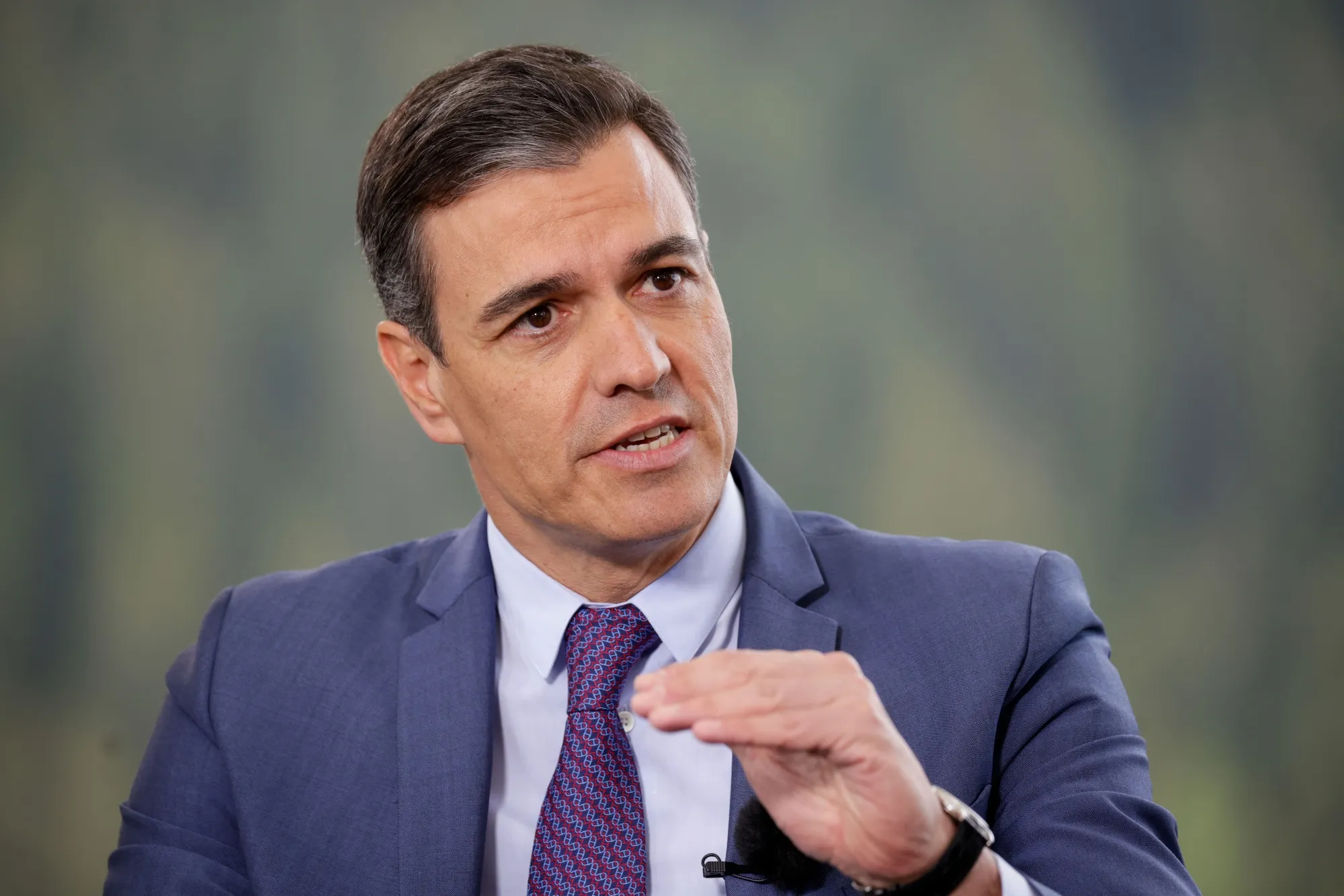
Spain announces a historic ban on social media for children under 16. Prime Minister Pedro Sánchez targets the “Digital Wild West” with new laws against hate speech and algorithmic manipulation. Read about the global “Coalition of the Digitally Willing” and the clash with Elon Musk.
The “Digital Wild West” is facing a new sheriff. In a move that has sent shockwaves across the tech industry, Spanish Prime Minister Pedro Sánchez has announced a bold plan to ban social media access for minors under the age of 16.
This legislative push marks a significant escalation in the global battle to protect young people from the darker corners of the internet.
Speaking at the World Government Summit in Dubai, Prime Minister Sánchez didn’t mince words. He characterized the current state of social media as an environment children were never intended to navigate without supervision.
“Our children are exposed to a space they were never meant to navigate alone… We will no longer accept that,” Sánchez stated, pledging to protect the youth from what he calls the “Digital Wild West.”
The Spanish government’s concerns are rooted in the rising tide of:
- Hate Speech: The rapid spread of discriminatory content.
- Adult Content: Unfiltered access to pornographic material.
- Disinformation: The viral nature of “fake news” and its impact on mental health.
Spain isn’t acting in a vacuum. Following in the footsteps of Australia—the first nation to implement a strict under-16 ban—Sánchez revealed that Spain has joined a group of five other European nations.
Dubbed the “Coalition of the Digitally Willing,” this group aims to create a unified front. By coordinating cross-border regulations, these countries hope to prevent tech giants from bypassing local laws. While the specific members of this coalition remain under wraps, their first meeting is scheduled for the coming days.
The proposed legislation, expected to hit the Spanish parliament as early as next week, goes beyond simple age restrictions. The bill aims to:
- Criminalize Algorithmic Manipulation: Targeting systems that intentionally amplify harmful or illegal content.
- Executive Accountability: Holding social media leaders personally responsible for failing to remove illegal speech.
- Strict Verification: Moving away from “checkbox” age verification toward robust, unhackable systems.
The announcement has already sparked a firestorm of controversy. Elon Musk, owner of X (formerly Twitter), took to his platform to voice his dissent, labeling the Spanish Prime Minister a “tyrant.”
Furthermore, Spanish prosecutors are reportedly looking into the operations of major platforms, including TikTok, Instagram, and Musk’s AI tool, Grok, to investigate potential legal infractions regarding minor safety.
If Spain succeeds, it could provide a blueprint for the rest of the European Union. The debate highlights a growing tension between individual digital freedom and the collective responsibility to protect the most vulnerable members of society.
What do you think? Is a total ban the right move, or should parental control be the primary line of defense? Let us know in the comments.
Spanish PM Pedro Sánchez:
— Clash Report (@clashreport) February 3, 2026
Starting next week, my government will implement the following actions:
First, we will change the law in Spain to hold platform executives legally accountable for many infringements taking place on their sites.
Second, we will turn algorithmic… pic.twitter.com/cCr6MtoTxe