 By Trendsetter Tribune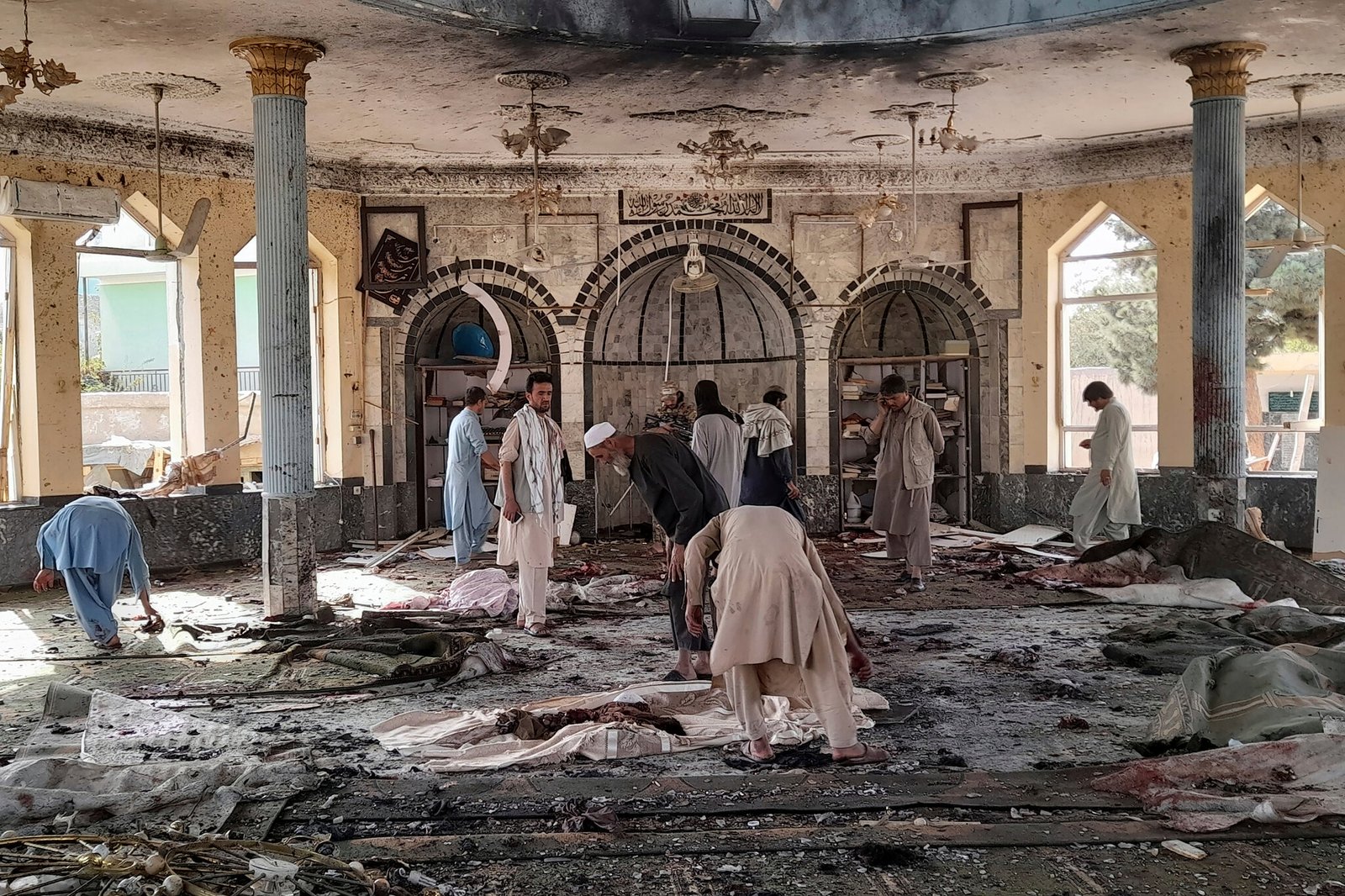
A suicide bomber struck a Shia mosque on the outskirts of Pakistan’s capital during Friday prayers, killing at least 31 people and injuring no fewer than 169 others in one of the deadliest attacks Islamabad has seen in years.
The bombing, which tore through the Khadija Al-Kubra mosque as worshippers gathered, is a rare but deeply alarming breach in the capital’s security, coming as Pakistan’s Western-aligned government struggles to contain a nationwide surge in militant violence.
Television footage and images circulating on social media showed scenes of panic and devastation, with police officers and civilians rushing bloodied victims to nearby hospitals. Several of the wounded were reported to be in critical condition.
Inside the mosque, the aftermath was horrific. Rescuers and witnesses described bodies strewn across the carpeted prayer hall, alongside worshippers crying out in pain. Hussain Shah, who had been praying in the mosque’s courtyard, said the blast was sudden and overwhelming.
“I immediately knew something big had happened,” Shah said. When he entered the mosque, he found chaos. “People were screaming for help. I counted around 30 bodies inside. The wounded were far more than that.”
No group immediately claimed responsibility, but suspicion quickly fell on militant organizations that have repeatedly targeted Shia Muslims, including the Pakistani Taliban and the regional branch of the Islamic State group. Shiites are a religious minority in Pakistan and have long been frequent victims of sectarian violence.
While Islamabad has largely been spared the regular attacks seen in other parts of the country, Pakistan has experienced a sharp rise in militant operations in recent months. Much of the violence has been attributed to the Pakistani Taliban, known as Tehrik-e-Taliban Pakistan (TTP), Baloch separatist groups, and Islamic State affiliates operating in the region.
Islamabad Deputy Commissioner Irfan Memon confirmed that early casualty figures were revised upward as rescue efforts continued and more victims were brought to hospitals.
Defense Minister Khawaja Mohammad Asif said preliminary information suggests the attacker had traveled between Pakistan and Afghanistan. According to Asif, mosque security guards attempted to stop the suspect, who opened fire before detonating his explosives among worshippers. The condition of the guards was not immediately disclosed.
Pakistan has repeatedly accused Afghanistan’s Taliban-led government of sheltering militants, particularly members of the Pakistani Taliban, an allegation Kabul denies. The Taliban returned to power in Afghanistan in August 2021 following the withdrawal of U.S. and NATO forces after two decades of war.
Afghanistan’s Ministry of Foreign Affairs issued a statement condemning the bombing, calling it a violation of the sanctity of mosques and an attack on innocent worshippers.
The massacre drew swift condemnation from the international community, including the United States and the European Union, along with numerous embassies based in Islamabad.
President Asif Ali Zardari and Prime Minister Shehbaz Sharif expressed condolences to the victims’ families and directed authorities to provide all possible medical care to the injured.
“Targeting innocent civilians is a crime against humanity,” Zardari said, adding that the nation stood with the affected families. Sharif said those responsible must be identified and held accountable. Interior Minister Mohsin Naqvi also denounced the attack.
The bombing occurred while Uzbek President Shavkat Mirziyoyev was in Islamabad on an official two-day visit and attending an event with Prime Minister Sharif several miles away, underscoring the stark contrast between diplomatic ceremony and the country’s worsening security reality.
Raja Nasir, a senior Shia leader, described the attack as both a human tragedy and a damning indictment of the authorities. He said an assault of this scale in the federal capital raised serious questions about the performance of security agencies and urged citizens to donate blood, as hospitals were facing urgent shortages.
Islamabad’s deadliest previous attack occurred in 2008, when a suicide bomber targeted the Marriott Hotel, killing 63 people. More recently, in November, a suicide bombing outside a court in the capital killed 12.
Friday’s massacre also came just days after the banned Baloch Liberation Army carried out coordinated attacks in restive Balochistan province, killing about 50 people. The military later claimed security forces killed more than 200 alleged militants in response.
Together, the attacks underscore a grim reality: militant groups are once again testing the Pakistani state’s capacity to protect its citizens, even in the heart of the capital.