 By Trendsetter Tribune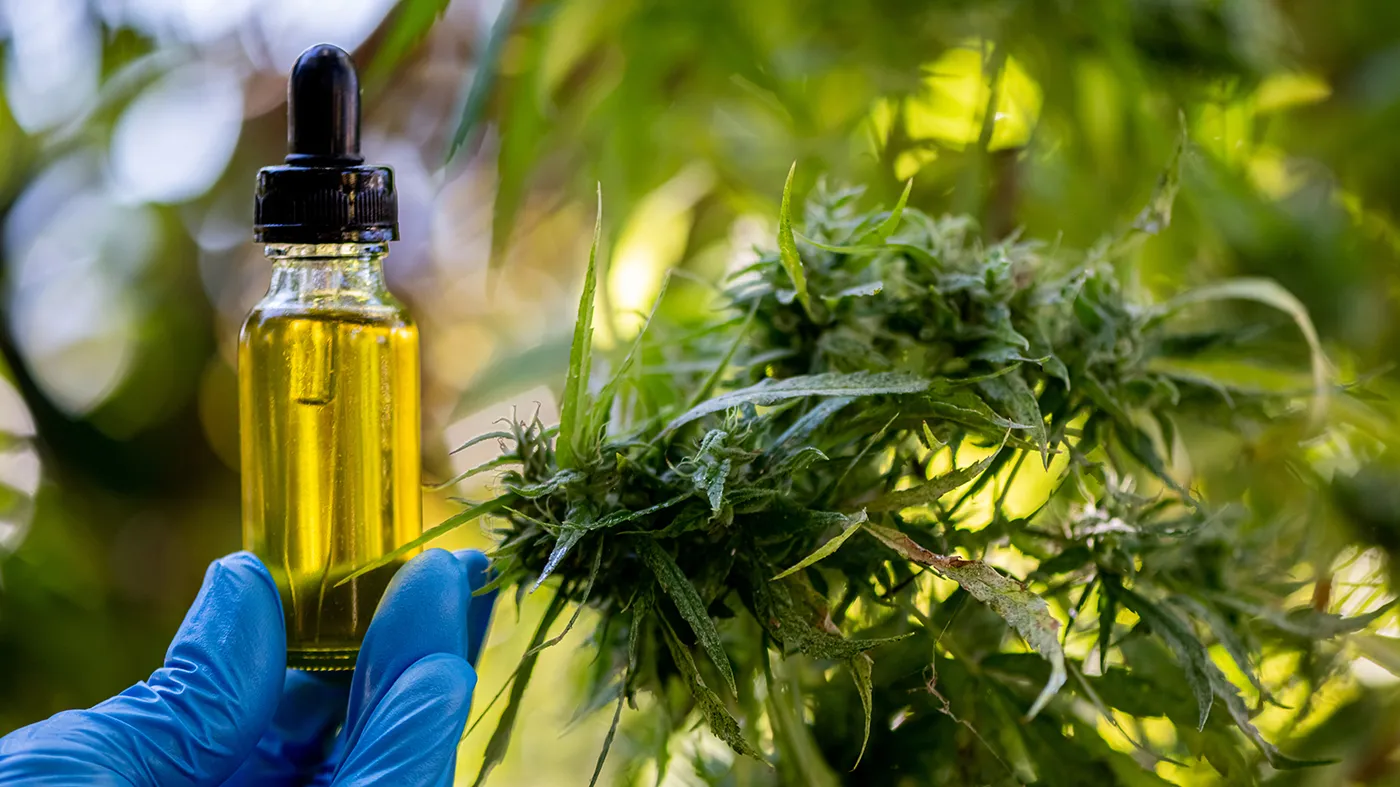
Texas health officials are proposing licensing fee increases of up to 13,000% for hemp businesses, potentially shuttering small shops and favoring out-of-state corporations, while hemp advocates warn of restricted access to natural THC products.
Texas hemp businesses are sounding the alarm as state health officials propose licensing fee hikes of up to 13,000%, a move that could devastate small operations and consolidate the market in favor of deep-pocketed, out-of-state corporations.
The proposed rules, unveiled last month by the Texas Department of State Health Services (DSHS), aim to tighten oversight of consumable hemp products, but the industry says the approach is draconian and threatens the very existence of independent shops.
“A $20,000 fee is dropped in the bucket for multi-state corporations; for a single location shop like mine, it’s a death by 20,000 cuts,” said Hayden Meek, owner of Denton-based Delta Denton.
Massive Fee Increases Threaten Small Shops
The proposed changes would raise manufacturer licenses from $250 to $25,000 per facility per year and retail registrations from $150 to $20,000 per location per year, representing increases of more than 13,000%.
Industry members warn that these fees are unsustainable for small businesses. Heather Fazio, director of the Texas Cannabis Policy Center, said, “Many small businesses simply cannot absorb this level of cost and will be forced to shut down rather than renew.”
DSHS has argued that the fee hikes are part of broader regulatory reforms designed to protect children, ensure product safety, and strengthen oversight of an industry that has grown rapidly. Supporters also point to other proposals, including:
- Minimum purchasing age of 21
- Mandatory age verification
- THC testing limits
- Product recall requirements
While some of these regulations are welcomed by the industry, the combination of extreme licensing fees and THC limits has sparked widespread outrage.
THC Limits Could Ban Natural Hemp Flower
Proposed THC testing rules could effectively eliminate the use of hemp flower in edibles and smokable products because hemp naturally contains THC levels above the new legal limit. Manufacturers argue this will force consumers toward synthetic alternatives, such as delta-9 THC, and remove access to natural, plant-based remedies.
Veterans and medical users have also raised concerns. Adam Peterson, a combat veteran from San Antonio, said, “I spent 16 months overseas and used a lot of different pharmaceuticals that were dangerous and caused seizures and physical harm. These health products have given me my life back. A total ban on the THC will basically eliminate access to good medicine that is actually helpful for me.”
Scott Stubb, owner of Sublingwell Cannabinoids and Euphorics, told the state health agency, “The proposed rules wipe out about 80% of what all shops sell, including ours, which is natural hemp flower. Then you add the fees being $20,000 for each shop—I don’t know, honestly, how we would be able to stay open.”
Industry Claims the Fees Are a Revenue Grab
Critics say the new fee structure is less about regulation and more about generating revenue for the state. Fazio noted, “The department’s own estimates show that the increased costs of administering these rules are minimal. In that context, it is unclear why such dramatic fee increases are necessary or justified.”
DSHS’s fiscal analysis assumes that nearly all currently registered retailers will pay the proposed $20,000 fee, generating more than $200 million in annual revenue. Industry members call this unrealistic and warn it could push thousands of small businesses out of compliance or into the unregulated market.
“The outcome runs counter to the public-health objectives these rules are meant to advance,” Fazio said.
Supporters Cite Safety and Enforcement
Supporters argue the changes are justified. Betsy Jones, director of policy and strategy at Texans for Safe and Drug-Free Youth, said, “It’s fair and appropriate for the people who profit from selling a billion dollars in intoxicating products to create fees that help cover the cost associated with the regulation and societal burden of the product.”
Aubree Adams, director of Citizens for a Safe and Healthy Texas, pushed for even stricter regulation, including raising the purchase age to 25 and requiring hemp businesses to help fund public education, data collection, and infrastructure.
Politics Behind the Proposal
The proposal is tied to Gov. Greg Abbott’s executive order regulating consumable hemp products after the Legislature failed to reach a compromise on a total ban. Abbott’s decision bypassed lawmakers and has put him at odds with Lt. Gov. Dan Patrick, a vocal supporter of banning THC products outright.
While some industry stakeholders initially welcomed Abbott’s order as a step toward legitimizing the THC market in Texas, the proposed rules are now being criticized as tantamount to a ban in all but name.
“The governor vetoed that bill, amplifying our voices,” Meek said. “Now adopting the fee structure from that same bill undermines that outcome.”
Timeline and Next Steps
Public comments on the proposed rules are expected to close Jan. 26, but implementation dates remain unclear. The stakes are high for thousands of Texas hemp retailers, many of whom fear they will be priced out of the market entirely, leaving only large, well-funded out-of-state corporations.
Conclusion
Texas’ hemp industry is at a crossroads. While regulations are meant to ensure consumer safety and prevent underage access, the proposed 13,000% fee hike and THC restrictions could shutter small businesses and push consumers toward unregulated alternatives.
For small hemp retailers, the message is clear: adapt or risk going under. For consumers, it may mean losing access to natural, plant-based products that many rely on for wellness, including veterans and medical patients.
The battle over Texas hemp is far from over—and with public comments closing soon, the state could be setting a precedent that determines the future of hemp commerce nationwide.