 By Trendsetter Tribune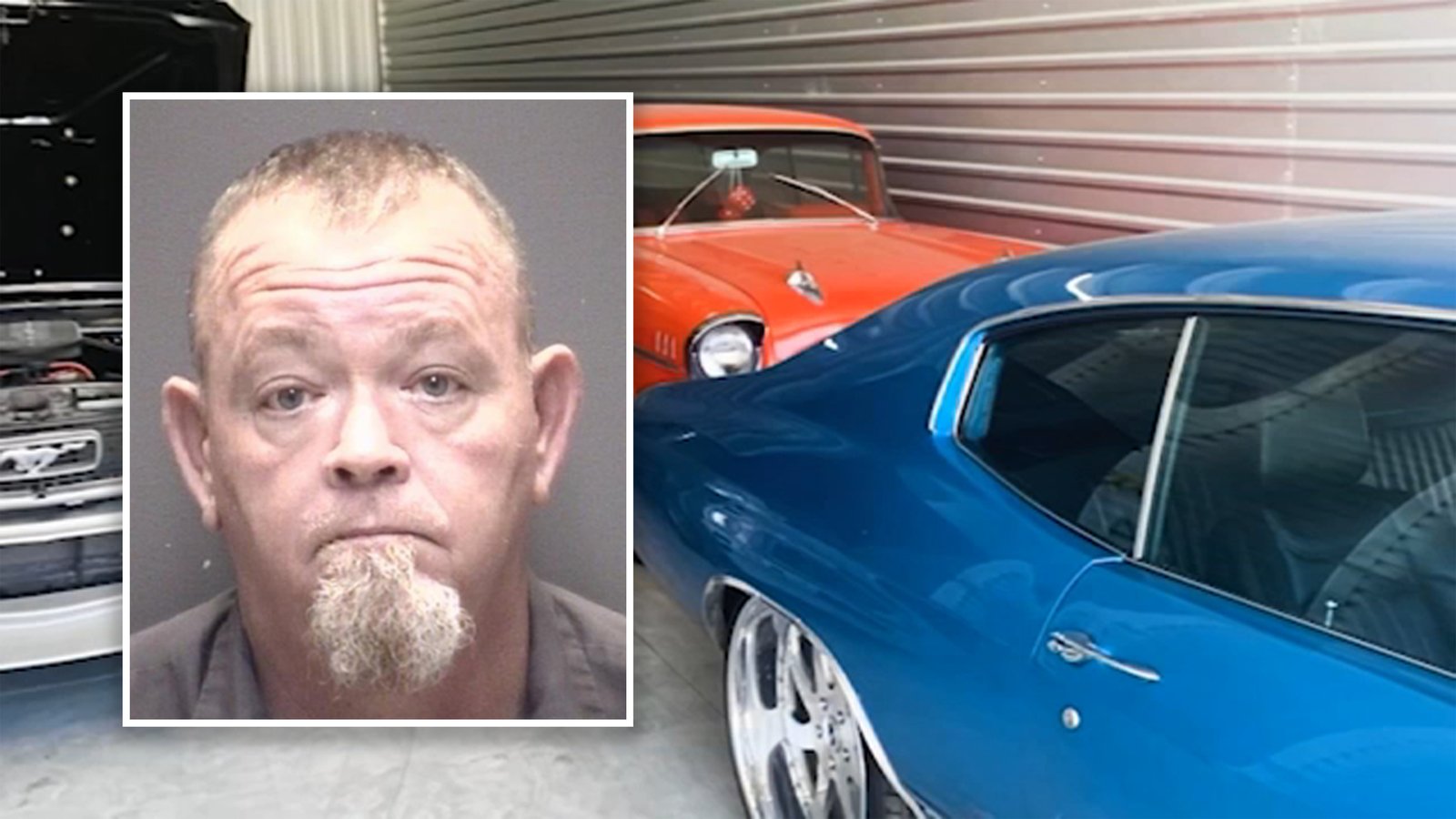
For classic car enthusiasts, handing over a prized vehicle to a restomod shop is an act of trust. These cars are often lifelong dreams, family heirlooms, or six-figure investments meant to be reborn with modern performance. In Galveston County, Texas, that trust was systematically exploited — and now the justice system has delivered a rare and severe reckoning.
The sentencing of a Texas hot rod shop owner to 60 years in prison highlights not only the scale of the fraud but also how vulnerable niche enthusiast communities can be when oversight is weak and passion overrides caution.
Background / Context
The restomod industry has exploded over the past decade. Classic American vehicles from the 1950s through the 1970s are increasingly being fitted with modern engines, drivetrains, and electronics — often costing tens or hundreds of thousands of dollars per build.
Unlike dealerships or large manufacturers, many of these projects are handled by small, independent shops. Customers often pay large deposits up front and wait months or years for completion. While delays are common in custom builds, outright fraud is harder to detect until it’s too late.
That gray area between patience and deception is where prosecutors say Richard Thomas Finley operated for years.
What Happened
Richard Thomas Finley, the former owner of Classic American Street Rods, operated his shop in the San Leon-Bacliff area of Texas, roughly 40 miles southeast of Houston.
Finley advertised that his business specialized in installing modern engines into classic vehicles — a highly sought-after service among collectors. Customers would bring in their prized cars and pay substantial deposits to begin work.
According to the Galveston County District Attorney’s Office, the work rarely — if ever — got done.
Between 2018 and 2023, Finley stole more than $498,000 from 72 victims, authorities say. Investigators determined that after collecting deposits, Finley would allow months or even years to pass without making meaningful progress on the vehicles.
When customers pressed for updates, prosecutors said Finley repeatedly lied about the status of their builds, offering excuses, vague timelines, or claims that parts were delayed.
The scheme went beyond inaction. Investigators discovered that Finley was removing valuable parts from customers’ vehicles while they sat in his shop and selling those parts to other, unsuspecting buyers.
As complaints mounted, the Galveston County Auto Crimes Task Force launched an investigation. The findings ultimately led to criminal charges and a jury trial.
During a week-long trial, 28 victims testified, describing nearly identical experiences: large upfront payments, no completed work, years of delays, and misleading explanations.
On December 19, the jury found Finley guilty of felony theft greater than $300,000. On January 6, Judge Jeth Jones of the 122nd District Court sentenced him to 60 years in prison.
The court also ordered Finley to pay $495,678.65 in restitution to his victims. Law enforcement recovered more than 20 classic cars from the shop and returned them to their rightful owners.
Analysis — How the Scheme Worked and Why It Lasted
Exploiting trust in a niche community
Classic car owners often operate on referrals, reputation, and passion rather than formal contracts. Prosecutors say Finley exploited that culture, presenting himself as a skilled specialist while relying on customers’ willingness to wait.
Many victims testified that delays initially didn’t raise alarms because custom engine swaps are known to take time. That expectation gave Finley cover.
The power of upfront deposits
By requiring large deposits before beginning work, Finley ensured a steady flow of cash. Once paid, customers had limited leverage — especially when their vehicles were already in his possession.
This structure allowed the scheme to function like a rolling operation, where new deposits helped sustain the appearance of a functioning business while older projects stalled indefinitely.
Parts theft as a secondary profit stream
The most damaging element of the scheme wasn’t just unfinished work — it was the alleged stripping of customer vehicles.
Selling parts off cars already entrusted to him allowed Finley to double-dip: keeping the original deposit while generating new revenue from stolen components. For victims, this compounded the financial loss and often reduced the value of their vehicles even after recovery.
Why it took years to stop
Fraud cases involving custom work are notoriously difficult to prosecute early. Delays alone are not crimes. Only after patterns emerged — dozens of similar complaints over several years — could investigators establish intent and scale.
The involvement of the Auto Crimes Task Force marked a turning point, transforming what many assumed were civil disputes into a criminal enterprise case.
Implications
For classic car owners
This case is a stark warning. Passion projects can cloud judgment, especially when builders promise dream results. Even reputable-seeming shops should be vetted with:
- written contracts
- milestone-based payments
- regular documentation of progress
- verification of business history
Trust alone is not a safeguard.
For the custom auto industry
A 60-year sentence is unusually severe for a non-violent white-collar crime, sending a strong message to the industry. Prosecutors clearly viewed Finley’s actions as systematic theft rather than business failure.
The case may encourage tighter oversight, better consumer protections, and more aggressive prosecution of similar schemes nationwide.
For law enforcement and courts
The successful recovery of over 20 vehicles shows the value of specialized auto crimes units. It also demonstrates courts’ willingness to impose harsh penalties when fraud targets large numbers of victims over extended periods.
Restitution orders, while significant, also highlight a reality: many victims may never fully recover financially, even with a conviction.
Conclusion
What began as dream builds for classic car owners across Texas ended in betrayal, financial ruin, and years of frustration. For Richard Thomas Finley, the consequences are now final — decades behind bars for a scheme that authorities say thrived on deception, delay, and stolen trust.
The case stands as both justice served and a cautionary tale. In industries built on passion, expertise, and reputation, accountability matters. And when trust is abused at scale, the legal system has shown it is willing to respond with extraordinary force.