 By Trendsetter Tribune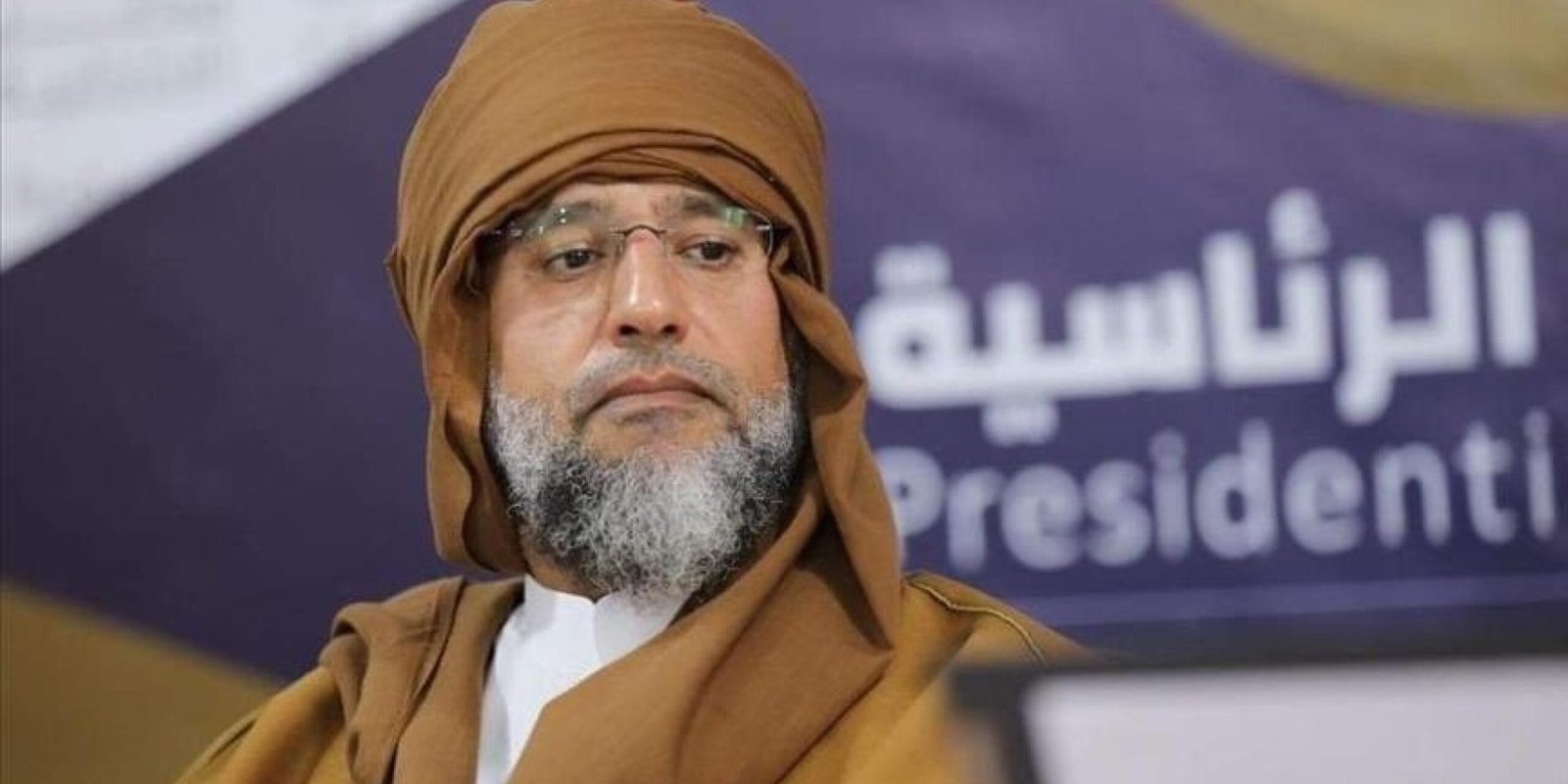
The long-running saga of the Gaddafi dynasty has taken a final, violent turn. Saif al-Islam Gaddafi, once the heir apparent and the “reformist face” of his father’s regime, was killed on Tuesday, February 3, 2026, in the western Libyan city of Zintan.+1
His death, confirmed by his political adviser Abdullah Othman, marks the end of a decade-long period of mystery and political maneuvering for the 53-year-old.
The Assassination: Four Masked Men
While official details from Libyan authorities remain sparse, reports indicate a coordinated strike. According to statements from his political team:
- The Incident: Four masked gunmen reportedly stormed Gaddafi’s residence in Zintan.
- The Struggle: Gaddafi is said to have clashed with the assailants before being fatally shot.
- Evidence Tampering: The attackers reportedly disabled the property’s CCTV cameras in an attempt to hide their tracks.
The city of Zintan had been Saif al-Islam’s stronghold—and his prison—since 2011. Even after his formal release in 2017, he remained in the city under the protection of local militias, rarely appearing in public.
A Legacy of Reform and Controversy
Saif al-Islam was often viewed as the bridge between Libya and the West before the 2011 revolution.
- The Heir Apparent: Though he held no official title, he was effectively Muammar Gaddafi’s “number two.”
- The Reformist: He was known for negotiating the end of Libya’s nuclear program and mediating the release of Bulgarian nurses in 2007.
- The Fall: During the 2011 uprising, he pivoted to a hardline stance, famously warning on state television that “rivers of blood” would flow if the protests continued.
Political Fallout in a Divided Libya
The assassination comes at a volatile time for Libyan politics. Saif al-Islam had attempted a political comeback in 2021 by registering for the presidential elections, a move that was eventually blocked by legal disputes and the collapse of the electoral process.
Immediate Reactions:
- Khaled al-Zaidi (Lawyer): Confirmed the death via Facebook, describing the act as a “cowardly assassination.”
- International Criminal Court (ICC): Gaddafi was still technically wanted by the ICC for crimes against humanity. His death effectively closes one of the most high-profile cases in the court’s history.
What Happens Next?
Libyan prosecutors have reportedly launched an investigation into the killing, though few expect a quick resolution given the country’s fractured security landscape. The death of Saif al-Islam removes one of the most significant, albeit polarizing, figures who could have unified the “Green” loyalist movement in future elections.