 By Trendsetter Tribune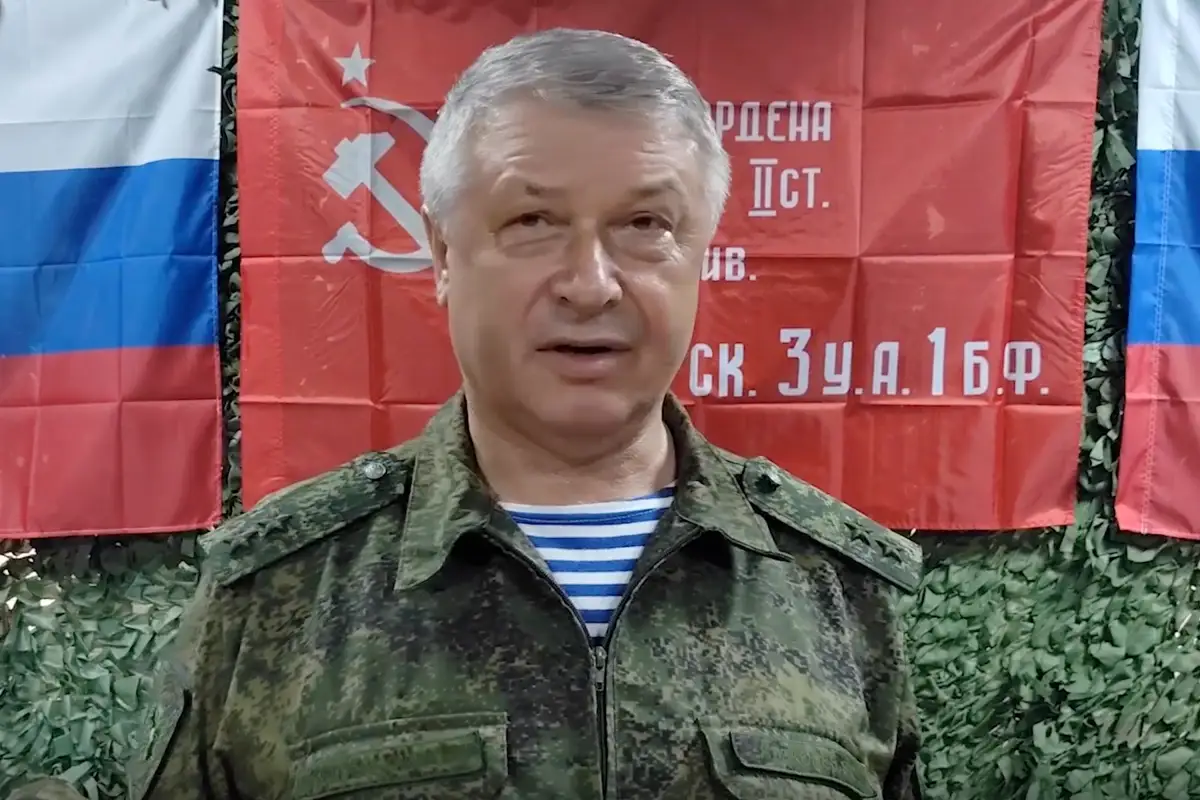
With the shocking shooting of Lt. Gen. Vladimir Alekseyev in Moscow today, it’s clear that a dangerous pattern is emerging. Over the past 12 months, the Kremlin’s top military and intelligence brass have been finding themselves in the crosshairs—not just on the front lines, but right in the heart of the Russian capital.
Here is a “Target List” of the most high-profile Russian officials targeted in the last year, proving that even Moscow’s elite are no longer behind “iron-clad” security.
The Recent Hits: 2025–2026
While the invasion of Ukraine has seen many generals die in combat, these recent cases represent a shift toward covert assassinations and urban hits.
| Date | Target | Rank / Role | Method | Status |
| Feb 6, 2026 | Vladimir Alekseyev | Deputy Head of GRU (Intelligence) | Gunshot (Moscow) | Hospitalized (Serious) |
| Dec 22, 2025 | Fanil Sarvarov | Head of General Staff Training | Car Bomb (Moscow) | Deceased |
| July 2, 2025 | Alexey Komkov | Head of FSB’s 5th Service | Car Bomb (Moscow) | Deceased |
| July 2, 2025 | Mikhail Gudkov | Deputy Navy Commander-in-Chief | Missile Strike (Kursk) | Deceased |
| April 25, 2025 | Yaroslav Moskalik | Deputy Chief of General Staff | Car Bomb (Moscow) | Deceased |
Key Trends to Watch
1. The “Moscow Circle” is Shrinking
Most of these attacks are happening in Moscow or its high-end suburbs (like Balashikha). This suggests that “safe zones” for Russian officials are disappearing. The attackers are increasingly using car bombs or posing as delivery workers to get close to these highly guarded figures.
2. Intelligence Leaders are the Priority
Notice that today’s target, Alekseyev, and the July 2025 target, Komkov, were both top-tier intelligence leaders (GRU and FSB). These are the men who run Russia’s spy networks and cyberwarfare. Taking them out disrupts the Kremlin’s “eyes and ears” more than losing a battlefield general.
3. The “Abu Dhabi” Connection
Today’s shooting of Alekseyev happened just 24 hours after major peace talks in Abu Dhabi concluded. Many analysts believe these hits are timed to send a message during negotiations or to sabotage potential deals by making the Kremlin feel vulnerable.
4. The Official Response
In almost every case, Russian Foreign Minister Sergey Lavrov and the Kremlin have blamed Ukrainian “special services.” While Ukraine often remains silent, President Zelenskyy has hinted at “justice” reaching those responsible for war crimes.