 By Trendsetter Tribune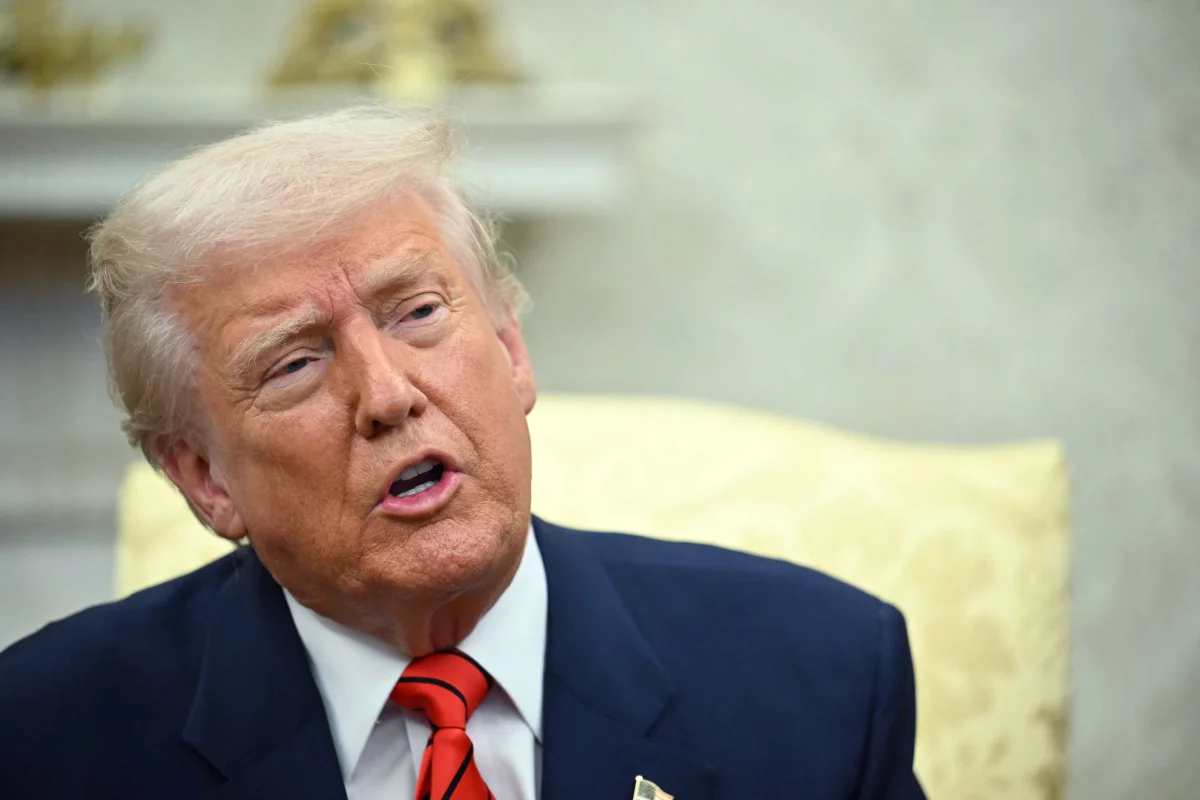
President Donald Trump is once again drawing attention — and debate — after claiming he personally pushed NATO allies to dramatically increase military spending and prevented Russia from fully taking over Ukraine.
The comments matter because they touch on global security, America’s role in NATO, and how Trump frames his leadership at a time when the alliance continues to face major geopolitical challenges.
Background / Context
NATO requires member nations to aim for defense spending at 2% of GDP, a benchmark many countries historically failed to meet.
Trump has long argued that:
- the U.S. carries too much of the burden
- allies are “not paying their fair share”
- stronger pressure is needed to compel spending
His rhetoric has fueled debate for years — supporters say it pushed allies to invest more, while critics warn it risks undermining trust in the alliance.
What Happened
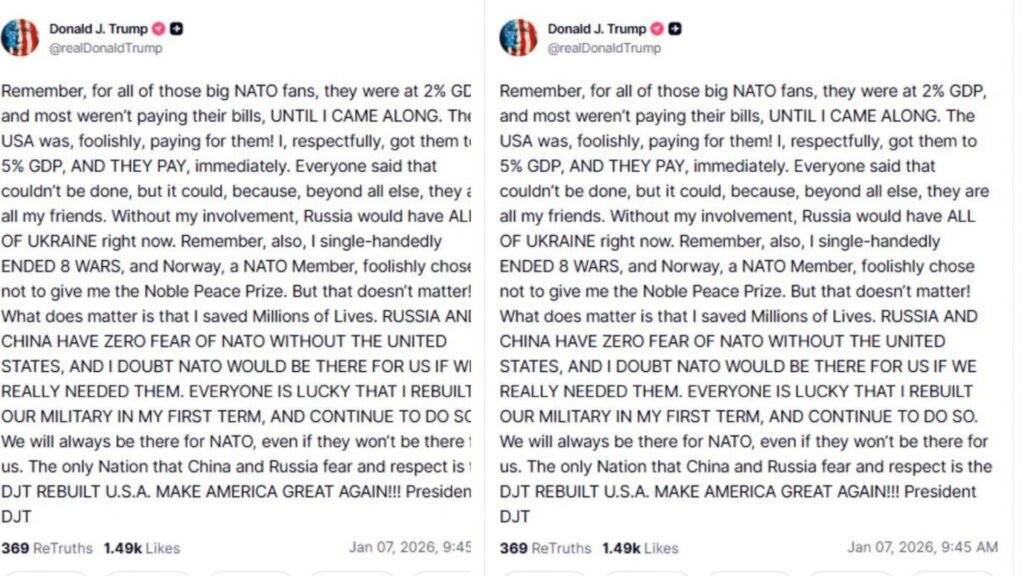
In a Truth Social post, Trump said NATO countries were not paying their “bills” until he stepped in.
He claimed:
“They were at 2% GDP, and most weren’t paying their bills, UNTIL I CAME ALONG.”
Trump went further, asserting that he pushed NATO members to spend up to 5% of GDP on defense and that allies now pay “immediately.”
He also claimed:
- his involvement stopped Russia from taking “ALL OF UKRAINE”
- he “ended eight wars”
- he rebuilt the U.S. military
- Norway should have awarded him the Nobel Peace Prize
He argued NATO would be weak without U.S. leadership and insisted American strength is the only thing Russia and China respect.
Analysis — Separating Claims From Reality
Trump’s comments blend verifiable facts with highly disputed assertions.
NATO spending did rise — but not to 5%
NATO allies have increased spending over the last decade, especially after Russia’s actions in Ukraine.
However:
- the target remains 2%, not 5%
- most countries are still working toward — not exceeding — that benchmark
Trump helped pressure allies, but claiming he raised spending to 5% is not supported by NATO reporting.
His claim about stopping Russia is speculative
Saying Russia would control all of Ukraine “without his involvement” is impossible to prove or disprove. It reflects political messaging, not documented strategy.
Ending “eight wars” is unclear
Trump did withdraw or reduce U.S. troops in several regions, but the U.S. was not formally engaged in eight active wars during his term. The statement appears rhetorical rather than literal.
NATO dependence vs. alliance cooperation
Trump is correct that NATO depends heavily on U.S. power — militarily, financially, and strategically.
But NATO functions as a collective alliance, not a unilateral extension of U.S. policy. Suggesting NATO might not defend the U.S. contradicts Article 5 commitments that allies reaffirm regularly.
Implications
Trump’s statements feed into long-standing debates:
- Supporters say his pressure forced allies to finally take defense seriously.
- Critics argue his rhetoric risks weakening an alliance built on trust and mutual defense.
Meanwhile, tying U.S. leadership so closely to one person — rather than institutions — raises questions about stability, consistency, and how allies prepare for long-term cooperation.
Conclusion
Trump’s latest remarks highlight how he continues to frame himself as the driving force behind NATO strength and global stability.
Some of his points reflect real shifts in defense spending. Others stretch claims beyond documented evidence. Together, they show how the debate over NATO, Ukraine, and American leadership remains deeply political — and far from settled.