 By Trendsetter Tribune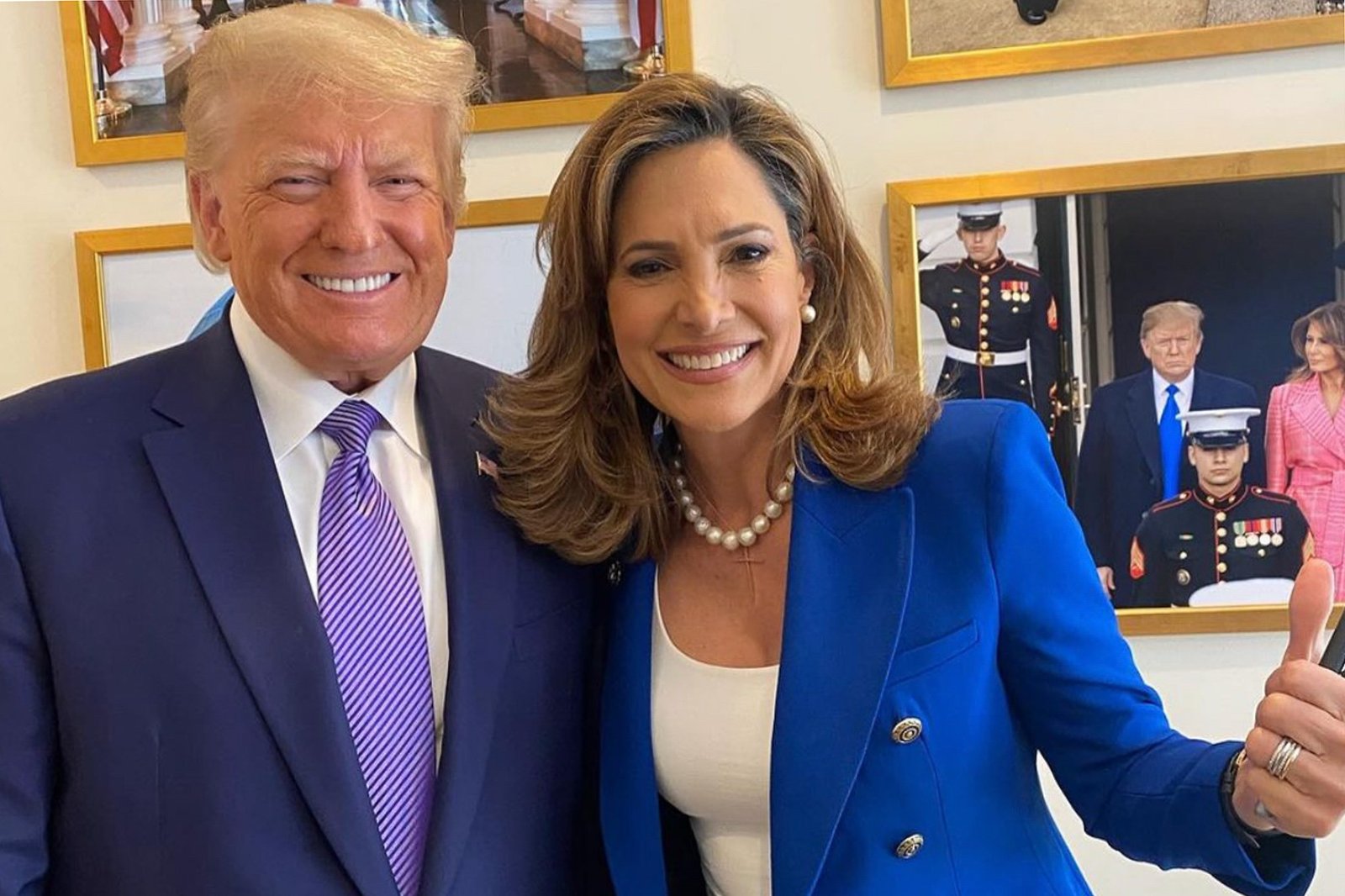
President Donald Trump’s decision to endorse U.S. Representative Maria Elvira Salazar (R-FL) for re-election has ignited a firestorm within the “America First” movement. While the President’s support remains the most coveted prize in GOP primaries, this specific nod has drawn sharp criticism from high-profile figures who view Salazar’s legislative record as a departure from core MAGA principles.
Internal GOP Backlash
The endorsement was met with immediate derision from some of Trump’s most vocal supporters. David Giglio, a former candidate for California’s 20th district, responded to the announcement with public laughter, signaling a divide between the President’s tactical endorsements and the expectations of his base.
The most stinging critique, however, came from former Representative Marjorie Taylor Greene (R-GA). Despite her long-standing loyalty to the President, Greene—who resigned from Congress in January 2026—did not hold back, calling the endorsement “an insult to his base” and accusing Salazar of supporting undocumented immigrants “more than most Democrats.”
The “Dignity Act” Controversy
The primary catalyst for the backlash is Salazar’s sponsorship of the Dignity Act of 2025. The bipartisan legislation has become a lightning rod for criticism due to its approach to immigration:
- The Program: It proposes a 7-year “Dignity Program” for long-term undocumented immigrants.
- The Path: Participants would pay restitution and back taxes in exchange for legal work status.
- The Stance: Salazar maintains the bill is “Dignity, not Amnesty,” arguing it provides a realistic solution to a broken system without offering immediate citizenship.
Salazar Hits Back
Representative Salazar quickly defended her record, directly addressing Greene’s comments. In a pointed rebuttal, Salazar compared Greene’s rhetoric to that of far-right influencer Laura Loomer and challenged Greene’s consistency regarding mass deportations.
“I don’t shift my message depending on the audience. I stay consistent,” Salazar stated, highlighting past private conversations where she claims colleagues acknowledged the impracticality of “rounding up every single person.”
Political Context: A Shifting Landscape
The friction comes at a complicated time for the Republican party:
- Greene’s Departure: Marjorie Taylor Greene officially resigned her seat on January 5, 2026, citing disagreements with the administration over the handling of the “Epstein files.” A special election to fill her Georgia seat is scheduled for March 10, 2026.
- Strategic Endorsements: Analysts suggest Trump’s support for incumbents like Salazar is a move to protect a razor-thin House majority, even if it causes temporary friction with the more populist wing of his party.
- Giglio’s History: The President previously passed over David Giglio in 2024 to endorse Vince Fong, who ultimately won the seat formerly held by Kevin McCarthy.
She supports illegals more than most democrats.
— Former Congresswoman Marjorie Taylor Greene🇺🇸 (@FmrRepMTG) February 11, 2026
His endorsements are an insult to his base. https://t.co/y7allwVHj3
Marjorie, you’re starting to sound like Laura Loomer.
— María Elvira Salazar 🇺🇸 (@MaElviraSalazar) February 11, 2026
Not telling the truth. And you know it.
It’s DIGNITY, not AMNESTY. I’ll say it again: dignity, not amnesty, even for the people working in your own construction company.
YOU said it yourself:
“We cannot be rounding up every… https://t.co/n18Z4ZtWWL