 By Trendsetter Tribune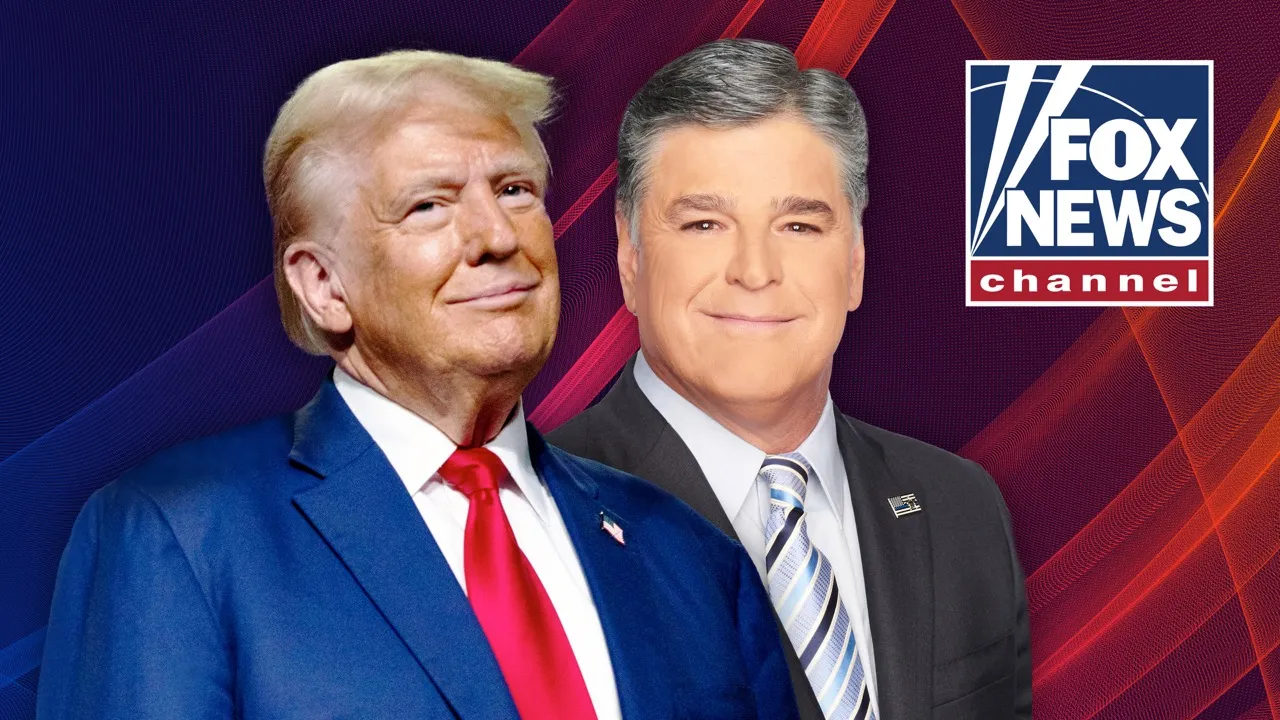
Former U.S. President Donald Trump drew widespread criticism from both critics and some conservative viewers following a Thursday night interview with Fox News host Sean Hannity. Trump’s comments touched on a recent U.S. military operation in Venezuela, claimed achievements on border security and drug interception, and included remarks suggesting he might accept the Nobel Peace Prize — a comment that ignited intense debate online.
The interview comes against a backdrop of historic geopolitical developments, including the U.S. operation that resulted in the capture of Venezuelan President Nicolás Maduro and shifting dynamics around Nobel Peace Prize laureate María Corina Machado.
Background: Venezuela Operation and Nobel Peace Prize Context
In early January 2026, U.S. forces executed a dramatic operation that resulted in the capture of Venezuela’s longtime leader, Nicolás Maduro. The United States announced it would oversee certain aspects of Venezuela’s transition and oil infrastructure — a move that has been both lauded and sharply criticized internationally.
Venezuelan opposition leader María Corina Machado, who won the 2025 Nobel Peace Prize for her work promoting democratic rights, has been at the center of recent diplomatic headlines. Machado had acknowledged Trump’s role in pressuring Maduro’s regime and publicly dedicated her Nobel Prize in part to him — a gesture that Trump referenced during the Fox News interview.
What Was Said: Highlights From the Interview
During the Fox News segment with Sean Hannity, Trump made a series of bold claims, including:
- He described the Venezuela operation that led to Maduro’s capture as “amazing,” asserting there were no fatalities and that injured helicopter pilots were “in good shape.”
- He claimed the United States had dramatically reduced drug trafficking by water and that the nation’s borders were “ostensibly really closed.”
- Hannity raised the topic of Machado’s Nobel Peace Prize and whether Trump would accept it if offered. Trump replied that Machado was expected in Washington and that accepting such an honor would be “a great honor.”
Trump also listed other military actions during his tenure, including the assassinations of Iranian General Qassem Soleimani and Islamic State leader Abu Bakr al‑Baghdadi — framing them as achievements alongside the Venezuela operation.
Public Reaction: From Social Media to Conservative Viewers
The Nobel Peace Prize remarks ignited reactions across social media:
- Some users sarcastically suggested the moment was absurd, with one writing, “So we stole Venezuela’s oil and now we are stealing the Nobel Peace Prize?” amid criticism of U.S. interventionism.
- Others mocked Trump’s fixation on the prize itself. “His obsession with the Nobel Prize is baffling,” one commenter wrote on X, the platform formerly known as Twitter.
- Another user captured the tone of online ridicule: “Omg, a second‑hand Nobel Peace Prize for this whiny little b—-, how embarrassing.”
The backlash wasn’t limited to critics of Trump. Some conservative viewers expressed discomfort with the tone and content of the interview. One posted, “YIKES! This is so embarrassing!” while another said the interview made Trump look “bored and annoyed.”
The sharp reactions reflect broader unease among segments of Trump’s base about mixing cultural celebrity with high-minded international accolades.
Nobel Peace Prize Reality Check
It’s important to clarify that the Nobel Peace Prize cannot be transferred or re‑awarded once given, according to the rules of the Norwegian Nobel Committee. Machado’s Nobel Prize, awarded in 2025 for her work opposing authoritarianism and advocating democratic transition, remains her own. Her comments during media appearances suggested a symbolic willingness to share the honor with Trump as a gesture of appreciation — but not literally transfer the award.
Analysis: Politics, Perception, and International Posturing
This episode offers several broader insights:
- Political narratives and prestige: Trump’s comments reflect his long‑stated desire for international recognition and validation, which has been a recurring theme in his public statements.
- Foreign policy spotlight: The Venezuela operation and its aftermath — including debates over governance, political prisoners, and U.S. roles — remain deeply contentious internationally.
- Social media amplification: Online platforms have amplified both ridicule and serious critique, illustrating how quickly political messaging can become fodder for cultural discourse.
Whether Trump’s remarks were intended to bolster his image or simply reflected off‑hand enthusiasm, the reaction underscores the volatile nature of modern political communication.
Conclusion
Donald Trump’s controversial sit‑down with Fox News has generated debate not just across the political spectrum but within his own base. Comments about Venezuela, defense posturing, and a potential Nobel Peace Prize — symbolic or otherwise — have prompted both ridicule and reflection over the former president’s approach to foreign policy and personal legacy.
At a time when international intervention, democratic transitions, and global reputation all intersect, this episode is a reminder of how political narratives are shaped as much by perception as by policy.