 By Trendsetter Tribune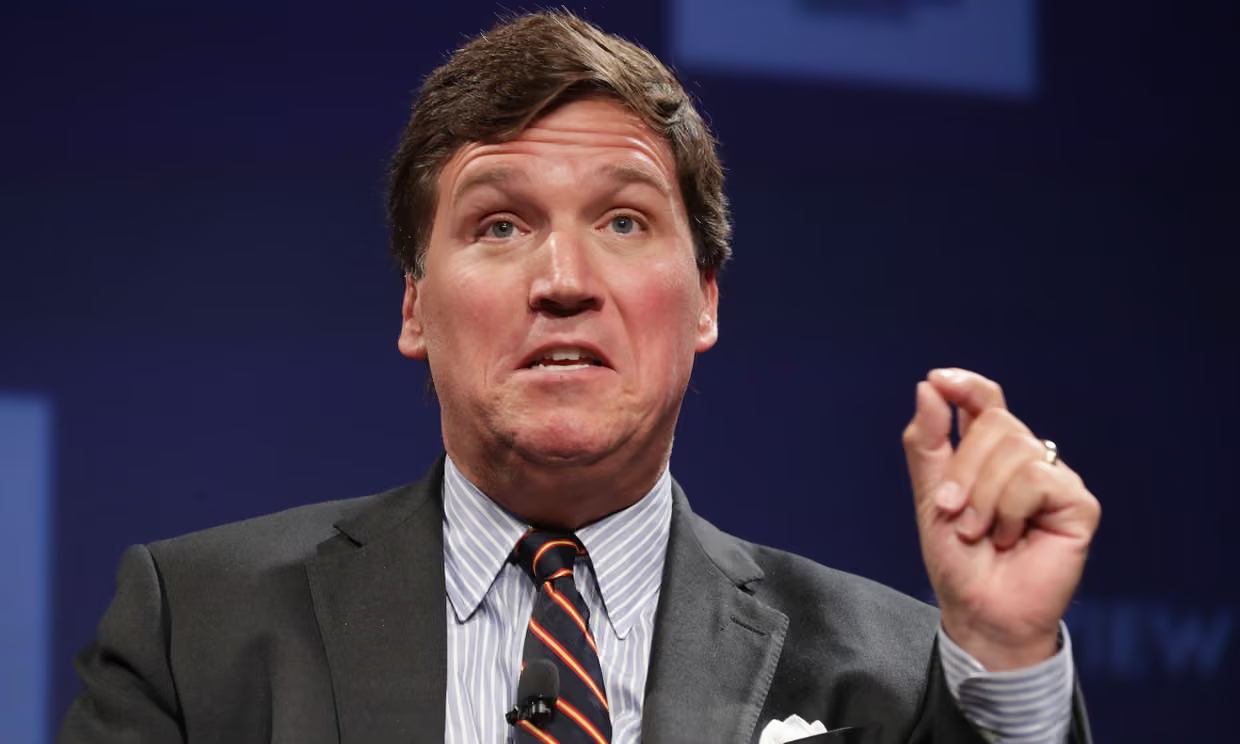
In the wake of the controversial ICE shooting in Minneapolis that killed 37-year-old mother Renee Nicole Good, conservative commentator Tucker Carlson has criticized how many conservatives have responded — arguing that their reaction shows Americans are becoming “desensitized” to violence. His remarks reflect broader divisions in how the incident is being perceived across the political spectrum, with competing narratives about self-defense, civil liberties, and federal enforcement actions.
Background / Context
On January 7, 2026, federal immigration agents with the U.S. Immigration and Customs Enforcement (ICE) fatally shot Good in Minneapolis during an enforcement action. Officials have defended the officer’s use of force, saying she used her vehicle as a weapon, while local leaders and many members of the public have disputed that characterization and called for accountability. The incident has sparked protests, media debate, and political commentary nationwide.
What Carlson Said
In his newsletter to subscribers, Carlson questioned why many conservatives appear to focus less on the human tragedy of Good’s death and more on other political angles. He wrote that few in his ideological camp are “viewing this story through a human lens,” suggesting the killing of a U.S. citizen and mother should transcend partisan debate.
Carlson invoked comparisons to other recent events — including the assassination of conservative activist Charlie Kirk last year and global violence in places like Venezuela, Ukraine, and the Middle East — to argue that Americans’ tolerance for bloodshed has grown. He wrote that leaders must “stop normalizing bloodshed” and focus on peace rather than elation over violence.
While Carlson acknowledged disagreements over immigration policy, he said such policy differences should not detract from recognizing death as a tragedy regardless of politics.
Reactions from Across the Political Landscape
Conservative Responses
Some conservative leaders have defended the ICE agent’s actions, emphasizing self-defense and law enforcement’s right to protect themselves. For example, prominent Republican figures have publicly backed the officer’s decision, framing the incident in security terms rather than as an unjustified killing.
Other conservative commentators have echoed concerns about the incident but framed the debate around broader discussions on immigration enforcement, rule of law, and the dangers facing federal agents during operations.
Left-Wing and Media Reactions
Media personalities and progressive commentators have condemned the shooting and criticized what they see as dismissive reactions. Late-night hosts like Stephen Colbert and others have called the incident a tragedy that highlights systemic issues in enforcement and government rhetoric around immigration.
Editorials in outlets such as Esquire have criticized parts of the conservative media ecosystem for how the victim has been portrayed and for apparent discrepancies in empathy compared with other high-profile incidents.
Public and Bipartisan Responses
Beyond media commentary, political figures across the aisle have weighed in, with Democratic leaders calling for independent investigations and transparency about the circumstances of Good’s death.
Analysis — The Broader Debate
Frames of Empathy vs. Threat
Carlson’s comments tap into a larger cultural debate about when and how political communities express empathy for victims. His critique — that conservatives should look first at the human loss rather than the political implications — contrasts sharply with some law-and-order responses that prioritize agency safety and enforcement narratives.
The Role of Violence in Political Discourse
By linking reactions to events abroad and domestically, Carlson is arguing that repeated exposure to conflict and policy-related killings affects how Americans respond emotionally. Whether one agrees with that view or not, it reflects a real tension in U.S. political rhetoric about violence, security, and moral consistency.
Political Polarization and Narrative Control
The ICE shooting has become another flashpoint in a deeply polarized media environment. Different outlets and political figures are offering divergent interpretations of the same event — from self-defense and lawful enforcement to unnecessary use of lethal force and civil rights violations. This divergence shapes how audiences perceive the justice and legitimacy of both the incident and the reactions to it.
Implications
- Empathy as a political fault line: Carlson’s critique underscores a broader conversation about whether political groups are willing to extend empathy across ideological lines.
- Media framing matters: How media outlets describe victims or law enforcement influences public sentiment and trust.
- Policy impact: Beyond commentary, these disputes may influence future discussions on immigration policy, enforcement oversight, and civilian protections during federal operations.
Conclusion
Tucker Carlson’s argument that conservatives’ reactions to the Minneapolis ICE shooting reflect a broader desensitization to violence has added another layer to the national conversation about the incident. In a deeply divided political environment, how the public — on both left and right — interprets and emotionally reacts to tragic events is shaping not just narratives but potential policy and cultural responses in the months ahead.