 By Trendsetter Tribune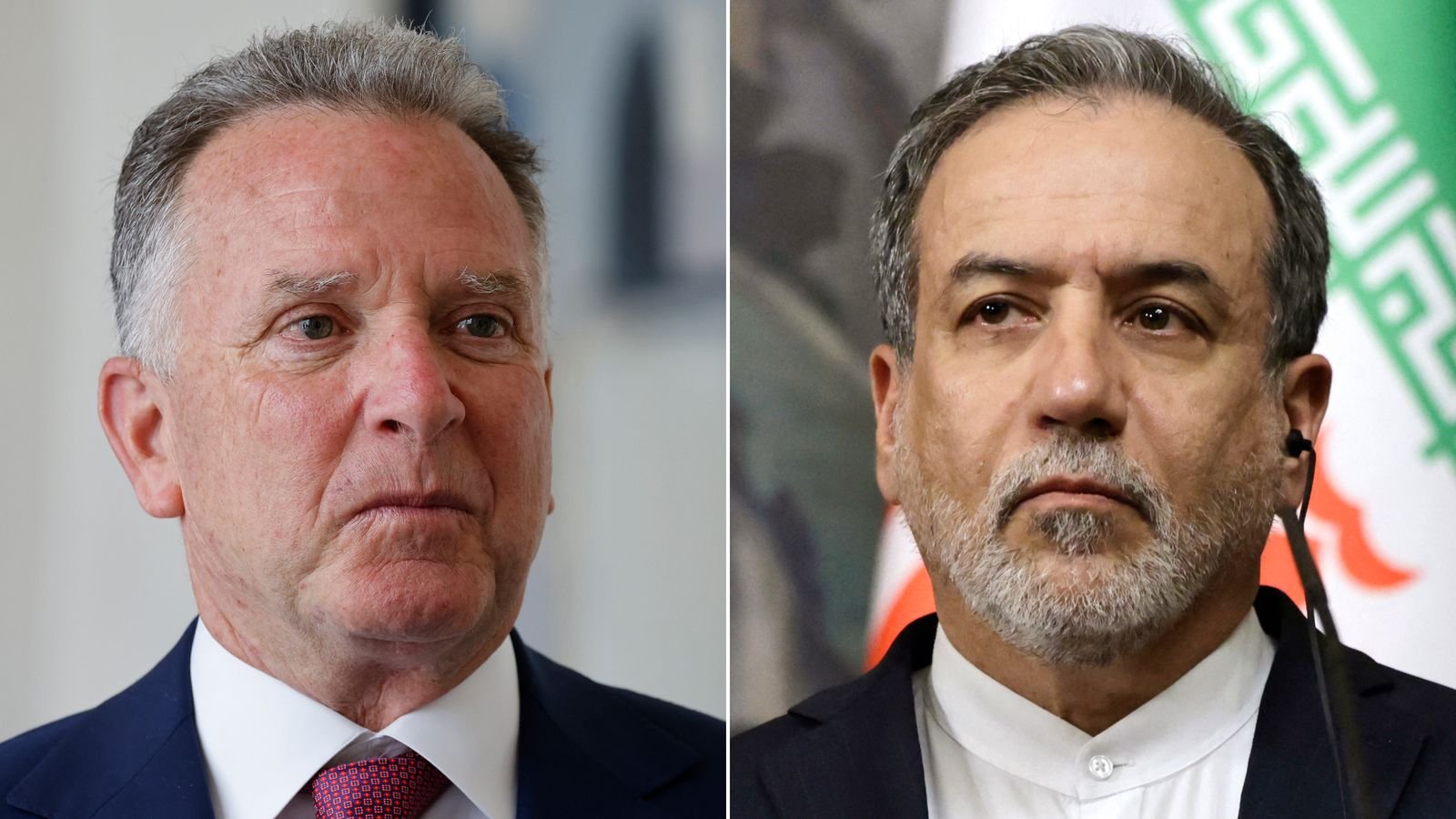
Iranian and U.S. officials appeared far apart Friday in renewed talks over Tehran’s nuclear program, though both sides expressed some willingness to continue diplomatic engagement to avoid potential military action.
According to Iranian state media, Foreign Minister Abbas Araghchi told U.S. envoys that Iran would not end or relocate its uranium enrichment activities—rejecting a central American demand. Araghchi described the meeting as a “good start,” while confirming that further discussions were planned with the help of Omani mediation.
The meetings were held indirectly, with U.S. and Iranian delegates speaking separately to Omani officials. Despite the distance between their positions, both parties agreed to keep dialogue open.
The U.S. delegation included Special Envoy Steve Witkoff, adviser Jared Kushner, and Adm. Brad Cooper, head of U.S. Central Command. On the Iranian side, Araghchi led the team. It was the first contact between Washington and Tehran since last June’s brief regional conflict, which concluded with American airstrikes targeting Iranian nuclear facilities.
Analysts had warned of high tensions heading into the talks, noting Washington’s insistence on broader concessions related to Tehran’s missile program and support for allied militias, while Iran pressed to focus solely on nuclear work. Former U.S. negotiator Alan Eyre described the situation as “the most dangerous moment in over four decades of U.S.-Iran relations.”
Iran enters the talks weakened by recent military setbacks, domestic unrest, and economic collapse. Still, its leadership remains unwilling to halt enrichment or scale back its regional posture. Meanwhile, the U.S., bolstered by fresh military deployments, continues to demand a permanent end to Iran’s nuclear ambitions and limits on its missile development.
The discussions, relocated to Oman after disputes over venue and scope, highlighted not only the geopolitical rift but also the procedural challenges that could delay meaningful progress. As Ali Vaez of the International Crisis Group observed, even resolving where and how to meet underscored the difficulty of bridging the divide on substance.