 By Trendsetter Tribune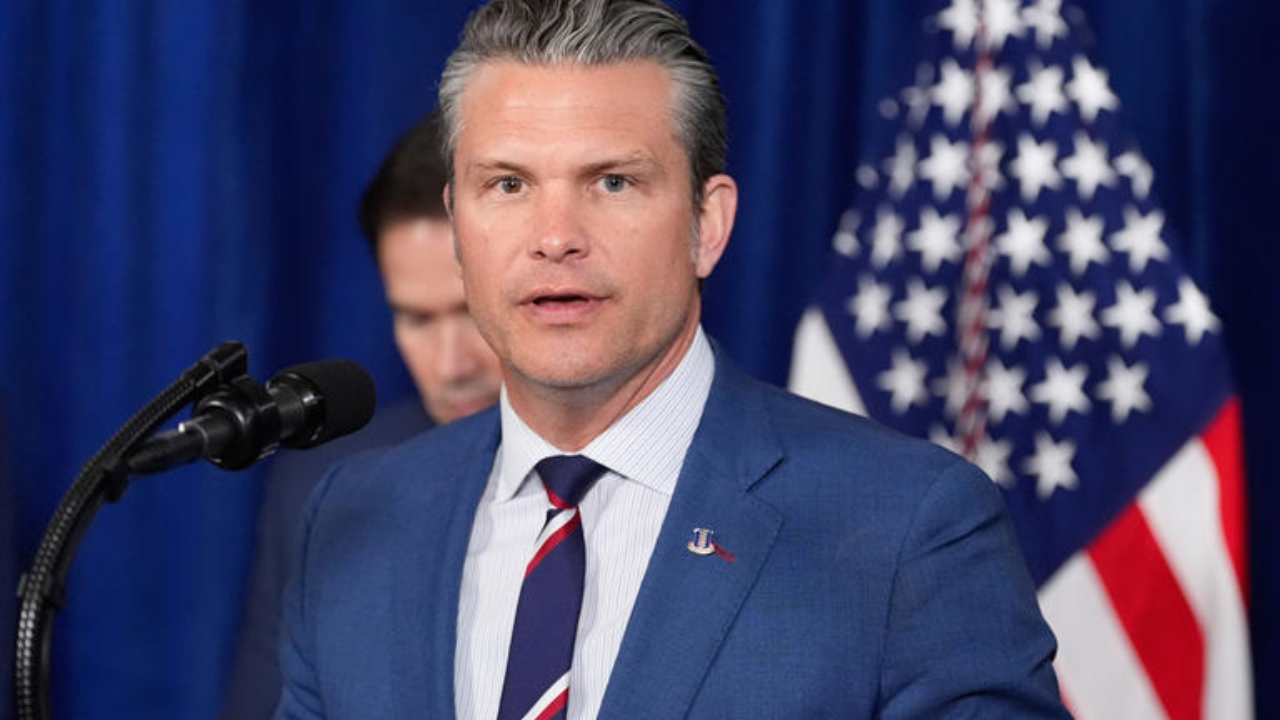
A U.S. military plane used to strike a suspected drug-smuggling boat off Venezuela was painted to look civilian, prompting concerns about compliance with the laws of war and congressional oversight.
The U.S. military used a plane disguised as a civilian aircraft during a September 2025 strike against a boat accused of smuggling drugs off the coast of Venezuela, raising questions about the operation’s compliance with military law. The strike was part of a broader campaign of U.S. military actions against suspected drug-smuggling vessels in the region.
According to reporting from The New York Times and confirmed by two sources familiar with the operation, the aircraft carried munitions inside its fuselage instead of externally, further blurring the line between civilian and military status.
Pentagon press secretary Kingsley Wilson stated, “The U.S. military utilizes a wide array of standard and nonstandard aircraft depending on mission requirements,” emphasizing that all aircraft are vetted for compliance with domestic law, departmental policies, and international standards, including the law of armed conflict.
Legal Concerns and the Laws of War
U.S. military manuals explicitly prohibit pretending to be a civilian while engaging in combat, a practice known as “perfidy.” The Defense Department manual notes that “feigning civilian status and then attacking” is prohibited, as it endangers civilians and violates principles of military honor. Air Force and Navy guidelines also warn that such tactics risk the safety of noncombatants.
Legal experts have expressed concerns about specific strikes during the campaign. One follow-up strike reportedly killed two survivors clinging to the wreckage of the targeted vessel, an action that could violate international laws of war governing the treatment of shipwrecked combatants.
Political and Congressional Response
The operation has sparked scrutiny in Congress. Senators were briefed on a classified legal opinion justifying the Trump administration’s military action to oust Venezuelan President Nicolás Maduro, who was captured and brought to the U.S. this month to face federal drug charges.
Sen. Rand Paul (R-Ky.) criticized the secrecy, saying, “Legal arguments and constitutional arguments should all be public, and it’s a terrible thing that any of this is being kept secret because the arguments aren’t very good.”
Sen. Peter Welch (D-Vt.) also questioned the legality of the Venezuelan operation, emphasizing that the administration’s long-term plans to maintain influence in the country raise further legal and constitutional concerns.
Meanwhile, Trump has faced a potential Senate vote on a war powers resolution that would restrict further U.S. military action in Venezuela without congressional authorization. Senate Majority Leader John Thune said Trump was “very, very fired up” over the legislation, which he has lobbied against.
Background on the Operation
The September strike marked the first in a months-long campaign against drug-smuggling operations in Latin America. The Trump administration classified the boat operators as “unlawful combatants” in an “armed conflict” with U.S. forces.
Defense Secretary Pete Hegseth has faced congressional questions about the follow-up strike and refused to release unedited video of the operation, citing national security concerns. In a December Cabinet meeting, Hegseth stated he had observed the initial strike live but left before the follow-up action.