 By Trendsetter Tribune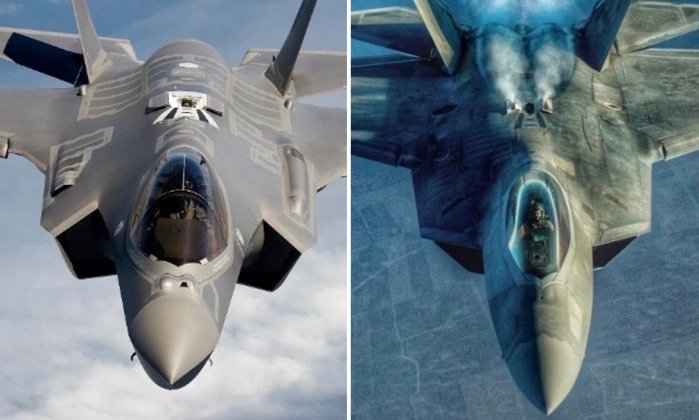
In a massive show of force that underscores the Trump administration’s “maximum pressure” strategy, the United States has moved more than 50 elite fighter jets into the Middle East over the past 48 hours. The buildup—which includes F-35 Lightning IIs, F-22 Raptors, and F-16s—occurs as high-stakes nuclear negotiations between Washington and Tehran resumed in Geneva today, Tuesday, February 17, 2026.
This airpower surge is part of a broader military configuration that experts describe as a “multi-layered ring” designed to deter Iranian retaliation and provide the President with immediate “alternative contingencies” should diplomacy fail.
Anatomy of the Airpower Surge
The deployment was confirmed by US officials and corroborated by open-source flight-tracking data showing a constant stream of “Coronet” missions (fighter jet Atlantic crossings) supported by aerial refuelers.
- F-35A/C Stealth Fighters: At least 18 additional F-35s have arrived in the region. These join the F-35C squadrons already embarked on the USS Abraham Lincoln.
- F-22 Raptors: A squadron of 12 F-22s—the world’s premier air-superiority fighters—departed for the Middle East this morning to counter potential threats from Iran’s drone and missile programs.
- F-15E Strike Eagles: Dozens of Strike Eagles have been relocated to Muwaffaq Salti Air Base in Jordan, providing heavy-payload strike capabilities within range of Iranian infrastructure.
- A-10 “Warthogs”: A squadron of A-10s remains in the Persian Gulf to provide close air support and protect commercial shipping in the Strait of Hormuz.
A Rare “Dual-Carrier” Deterrent
The arrival of these fighter jets coincides with the movement of a massive naval armada.
- The USS Abraham Lincoln: Currently positioned in the Arabian Sea, roughly 150 miles off the coast of Oman.
- The USS Gerald R. Ford: The world’s most advanced aircraft carrier is currently transiting from the Caribbean and is expected to arrive within three weeks.
- Operational Tempo: Military analysts at Janes report that the current US footprint in the region allows for 800 sorties per day, a level of readiness not seen since the initial stages of the 2025 “Operation Midnight Hammer” strikes on Iranian nuclear sites.
The Stakes in Geneva
While the military buildup is meant to signal strength, Foreign Minister Abbas Araghchi indicated today that talks have yielded a “general agreement” on guiding principles. However, the Trump administration has maintained a hardline stance:
| US Demand | Iranian Counter-Proposal |
| Total Ban on ballistic missile development. | Red Line: Missiles are for “self-defense” only. |
| P5+1 Inspection of all military sites. | Open to inspections of nuclear sites only. |
| “Traumatic” Consequences if no deal by March. | Demands immediate lifting of all oil and bank sanctions. |
“President Trump has been clear… either we will make a deal or we will have to do something very tough like last time.” — Senator Tom Cotton on Fox News (Feb 17, 2026)
Domestic and Regional Tension
The buildup has drawn mixed reactions. While Israel’s Benjamin Netanyahu has praised the “unprecedented firepower,” Gulf nations have privately expressed fears that a miscalculation could spark a regional war. Domestically, the administration faces criticism from Democrats like Ro Khanna, who argue that the deployment bypasses Congressional war powers.