 By Trendsetter Tribune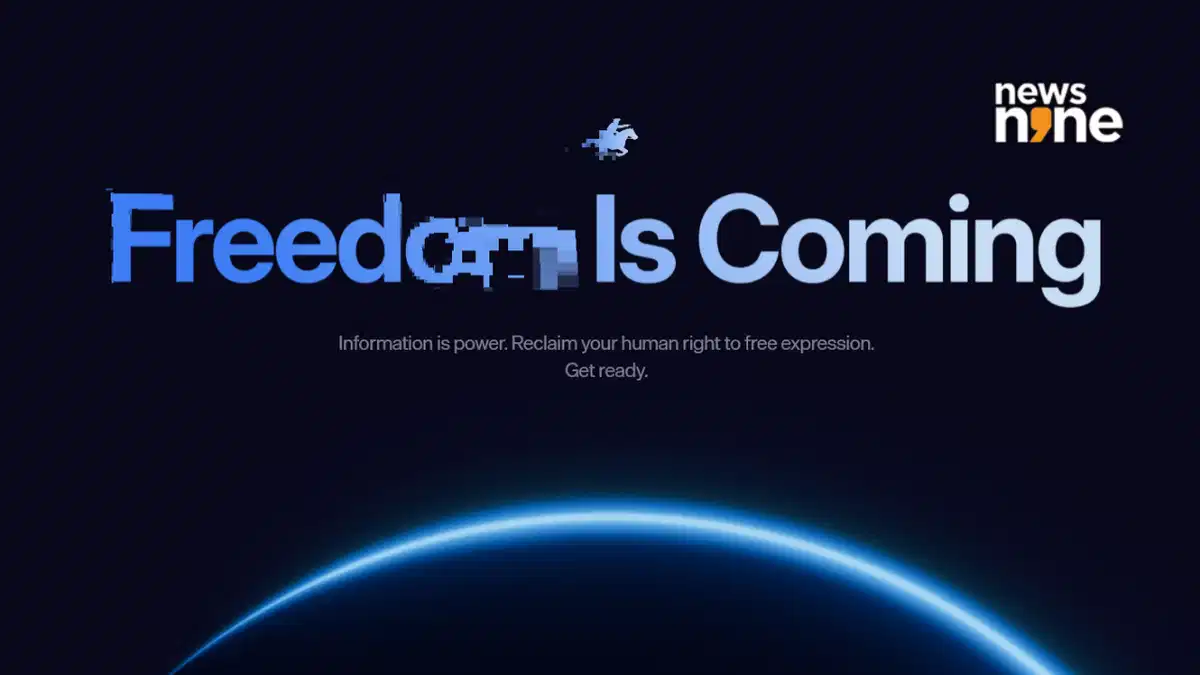
WASHINGTON — In a move that is already straining trans-Atlantic relations, the U.S. State Department is developing a new online portal, freedom.gov, designed to help citizens in Europe and other regions bypass local internet restrictions. The site is intended to counter what the Trump administration describes as “government censorship,” specifically targeting European regulations like the EU Digital Services Act (DSA) and the UK’s Online Safety Act.
The project, which reportedly became public on February 18, 2026, represents a significant escalation in the ideological divide between Washington and Brussels over the definition of free speech.
What is Freedom.gov?
The website is envisioned as a “one-stop shop” for internet freedom, utilizing U.S. government infrastructure to provide access to content that may be blocked or restricted in other jurisdictions.
- Integrated VPN: Sources indicate the site will feature built-in Virtual Private Network (VPN) capabilities. This would allow users to mask their location, making their internet traffic appear as if it is originating from within the United States, where the First Amendment offers broader protections.
- No Tracking: According to reports, the administration has emphasized that the site will not track user activity, positioning it as a privacy-first tool for those “oppressed” by digital regulations.
- Visuals: Currently, the landing page features a logo of a galloping horse rider (evoking Paul Revere) with the slogan: “Information is power. Reclaim your human right to free expression. Get ready.”
The Target: “Hate Speech” and “Safe” Content
While previous U.S. “Internet Freedom” initiatives focused on bypassing the firewalls of adversaries like China or Iran, this project is uniquely aimed at traditional allies.
| Category | European/UK View | U.S. Administration View |
| Hate Speech | Must be removed to prevent social harm and radicalization. | Often “protected speech” that is being unfairly censored. |
| Disinformation | A threat to democracy that requires platform accountability. | A “label” used by governments to silence political dissent. |
| Content Bans | Necessary for public safety and national law. | “Civilizational erasure” and a violation of basic human rights. |
Diplomatic and Internal Friction
The initiative is not without its critics, both abroad and within the U.S. government:
- Legal Concerns: State Department lawyers have reportedly raised alarms that the U.S. is effectively encouraging foreign citizens to flout their own national laws, a move that could have severe diplomatic repercussions.
- Sarah Rogers’ Leadership: The project is spearheaded by Undersecretary for Public Diplomacy Sarah Rogers, who has become a vocal critic of European digital “gatekeeping.”
- “Performative” Criticism: Some former officials have called the portal “performative,” noting that commercial VPNs already exist and that the site’s primary purpose may be to send a “combative policy message” rather than provide a new technical solution.
The European Response
The European Commission has been cautious but firm, with spokespeople stating that websites promoting illegal hate speech or terrorist content “do not belong in Europe” and that the DSA exists to protect users, not censor them. Analysts suggest that if the portal launches, the EU could potentially retaliate by targeting the U.S. cloud services or agencies hosting the site.