 By Trendsetter Tribune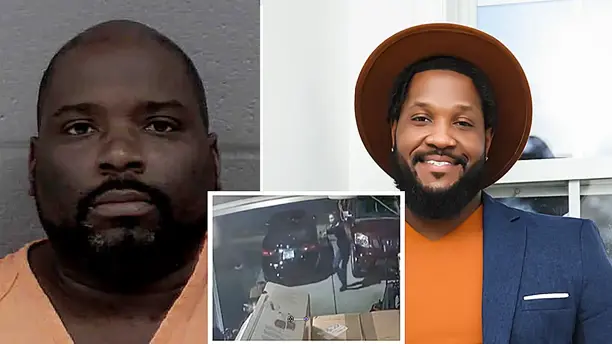
A Black police officer was shot more than ten times by a fellow officer during an FBI-led drug raid in North Carolina. Years later, the case remains unresolved as courts reconsider qualified immunity and release previously sealed video evidence.
Clarence Belton was the only Black officer participating in a drug raid on a Black man’s home in North Carolina when he was shot more than ten times by a fellow officer who mistakenly believed he was the suspect, according to court records.
Belton, a former Gastonia Police Department officer assigned to an FBI task force, survived the 2019 shooting but sustained permanent injuries. He later filed a civil lawsuit against Charlotte-Mecklenburg police officer Heather Loveridge, the officer who fired the shots.
Loveridge has sought dismissal of the lawsuit, arguing she is shielded from liability under the doctrine of qualified immunity, which protects law enforcement officers from civil lawsuits unless it can be shown they violated a clearly established constitutional right.
A lower federal court initially denied Loveridge’s request for qualified immunity. However, the U.S. Court of Appeals for the Fourth Circuit later vacated that decision, instructing the district court to conduct a more detailed analysis of whether qualified immunity applies in this case.
As part of that ruling, the appellate court also ordered the release of body-camera and related video footage from the incident, which had previously been withheld. The unsealed footage was later obtained and published by The Charlotte Observer in October.
More than six years after the shooting, the case remains unresolved while the lower court carries out the appellate court’s instructions.
The incident has drawn renewed attention from civil rights advocates and legal observers. Attorney Lee Merritt, who is not involved in the case, described the shooting as a systemic failure rather than an isolated error.
“This is not just a tragic mistake. It is a training failure,” Merritt wrote in a social media post. He argued that inadequate training increases the likelihood of fatal misidentifications during high-stress operations.
Merritt further noted that similar training deficiencies affect both officers and civilians, warning that the consequences extend beyond a single case.
Belton is no longer employed in law enforcement and now works as a real estate agent.
According to court documents, the shooting occurred in the early hours of Nov. 1, 2019, as members of the FBI’s Safe Streets Task Force and officers from the Charlotte-Mecklenburg Police Department were executing a search warrant related to a methamphetamine trafficking investigation.