 By Trendsetter Tribune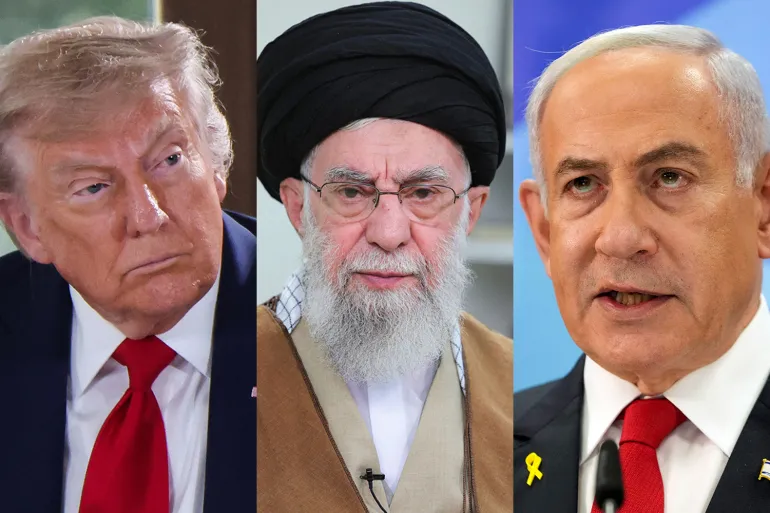
The former head of IDF Military Intelligence, Amos Yadlin, issued a stark warning on Wednesday, February 18, 2026, suggesting that a military confrontation between the United States and Iran is “much closer” than the public realizes. Speaking to N12’s Morning News, Yadlin cautioned Israelis and international travelers to “think twice” about flying this coming weekend.
His comments come just 24 hours after a high-stakes second round of indirect talks between Washington and Tehran concluded in Geneva. While the diplomatic teams reported reaching a “general agreement on guiding principles,” sources close to the White House suggest a strike could be imminent if these principles are not quickly codified into a binding deal.
Yadlin’s Warning: The “Diplomatic Path” Is Narrowing
Yadlin, who recently returned from the Munich Security Conference, highlighted a shift in the urgency of the situation.
The Credible Threat: Yadlin noted that President Trump’s “all options on the table” stance is no longer mere rhetoric but is backed by “preparations along Iran’s shores and in its airspace.”
A Multi-Week Campaign: Intelligence sources cited by Axios today suggest that any U.S. strike would not be a “one-off” but rather a comprehensive, multi-layered campaign involving kinetic strikes, cyber warfare, and special operations.
90% Chance of Strike: A White House official reportedly placed the probability of military action in the coming weeks at 90% should Iran fail to acknowledge core U.S. “red lines.”
The Geneva “Guiding Principles”
Despite the ominous military posturing, Iranian Foreign Minister Abbas Araghchi offered a cautiously optimistic view of the Geneva discussions, which were held under heavy security at the Omani Ambassador’s residence.
The “Guiding Principles” reportedly include:
Enrichment Limits: Frameworks for capping uranium enrichment (reportedly a return to the 3.67% level).
IAEA Access: Protocols for UN inspectors to return to Iranian sites, including those damaged in previous strikes.
Sanctions Relief: A roadmap for lifting financial and banking sanctions in exchange for “verifiable” compliance.
Stockpile Removal: Proposals for removing Iran’s highly enriched uranium from the country.
“We have reached an understanding on the key principles… but this does not mean we can reach a deal quickly. The next stage will be more difficult and detailed.” — Abbas Araghchi (Feb 17, 2026)
Tensions in the Strait of Hormuz
As negotiators sat down in Geneva on Tuesday, Iran sent a physical message by temporarily closing parts of the Strait of Hormuz for naval drills.
The IRGC Message: Rear Admiral Alireza Tangsiri claimed the IRGC has deployed “equipment not used in the 2025 war,” including advanced drones and “carrier-killer” missiles.
Khamenei’s Defiance: Supreme Leader Ali Khamenei took to social media to mock U.S. naval power, stating that “a warship is dangerous, but more dangerous is the weapon that can send it to the bottom of the sea.”
Global Markets React
The news of a “general agreement” caused oil prices to dip below $63 a barrel on Wednesday morning, as traders weighed the potential for a diplomatic breakthrough against the massive U.S. military buildup.