 By Trendsetter Tribune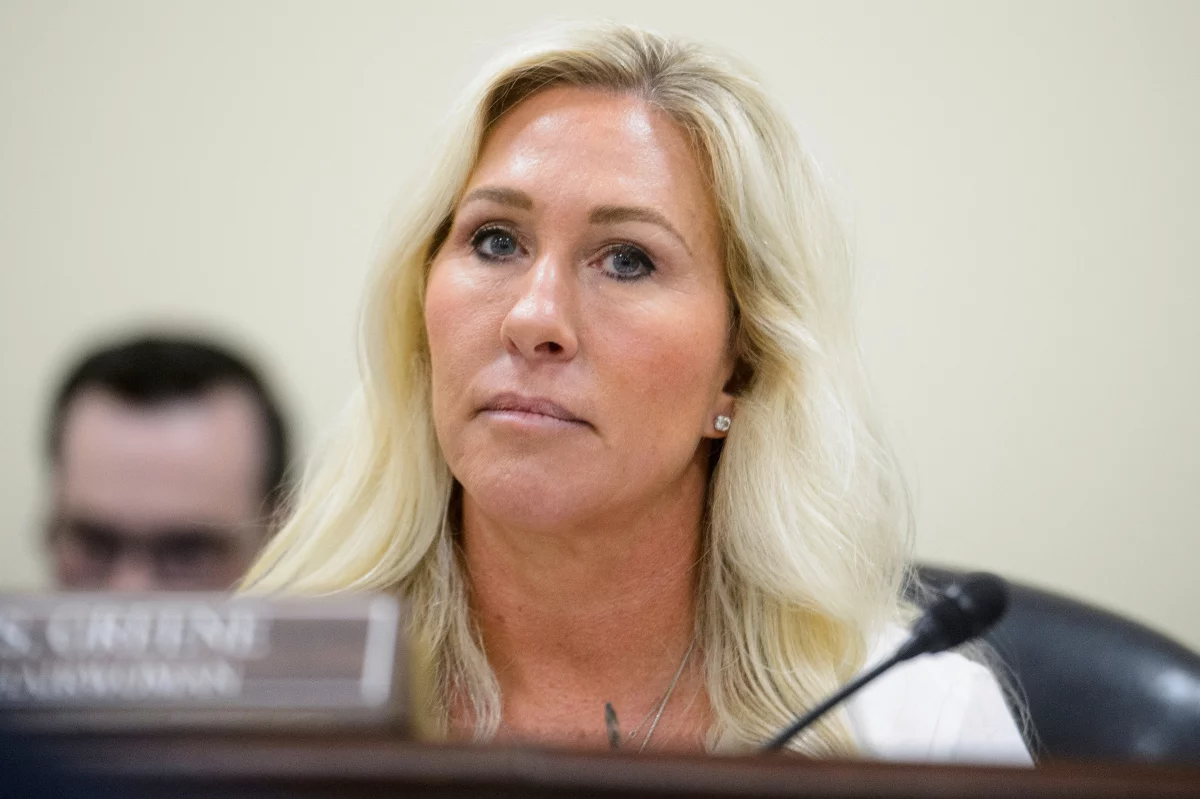
A new report reveals that the White House informed the Secret Service it suspected former Rep. Marjorie Taylor Greene may have tipped off anti-war activists about President Donald Trump’s location during an unannounced restaurant visit, raising questions about presidential security, leaks within political circles, and the deteriorating relationship between Trump and one of his most high-profile former allies.
Background / Context
In September 2025, President Trump made a surprise visit to Joe’s Seafood, Prime Steak & Stone Crab in Washington, D.C. The dinner was intended to demonstrate improved public safety in the nation’s capital, where Trump had previously deployed National Guard troops. The Independent
Rather than proceed without incident, the event was disrupted when Code Pink activists — a long-standing anti-war and social justice group — managed to enter the restaurant and chant at Trump, getting within feet of his table. Protesters shouted slogans such as “Free D.C.! Free Palestine!” and “Trump is the Hitler of our time!” as they confronted the president. The Independent
Trump has publicly criticized Code Pink in the aftermath, even suggesting its members should face legal consequences. The Independent
What Happened
According to a report by Axios, White House officials grew concerned about how Code Pink knew of the unannounced dinner. They told the Secret Service they suspected that Greene — who had recommended the restaurant to the president — may have alerted the group or otherwise signaled Trump’s location. Axios
The suspicions stemmed from several factors:
- Greene had recommended Joe’s Seafood as a dining option to Trump and repeatedly checked with White House staffers to confirm whether he would go. When Trump later confirmed the visit to Greene, she did not attend herself — a detail aides found unusual. Axios
- Greene has known ties with Code Pink co-founder Medea Benjamin, and both Greene and the group have criticized U.S. military aid to Ukraine and Israel, further stoking speculation about her motivations. Latin Times
These reports ultimately prompted the White House to notify the U.S. Secret Service, which has protective and investigative responsibilities regarding threats to the president. Officials declined to comment publicly on whether a formal Secret Service investigation is currently underway. Axios
Greene’s Response
Greene has strongly denied the allegations.
Calling the White House claims an “absolute lie, a dangerous lie,” she told Axios that she would never share information about Trump’s whereabouts with activists. Greene said she only recommended the restaurant but had no knowledge of when or whether Trump would book a reservation there. Latin Times
She also argued that any security breach was the result of Secret Service or White House lapses, asking why the restaurant was not swept or screened thoroughly before the president’s arrival. A Code Pink spokesperson likewise rejected the notion that Greene had informed the group about Trump’s plans. Latin Times
Analysis — The Politics Behind the Security Concerns
A fracture in longstanding political ties
Greene was once a staunch Trump ally, frequently supporting his agenda and appearing at rallies. But in recent months, the two publicly clashed, with Greene criticizing Trump on issues such as military intervention and foreign aid — and ultimately resigning from Congress. Some aides view the Joe’s Seafood incident as a turning point in their relationship. Axios
The fact that White House suspicions focused internally — rather than only on broader security protocols — reflects how personal and political tensions have escalated behind the scenes.
Security risk versus political signaling
For the Secret Service, the key concern is how protesters knew where the president would be. If insiders shared details of unannounced movements, that poses a genuine risk to presidential safety.
However, there is no direct evidence Greene did so — only suspicion and circumstantial factors. Publicizing that suspicion nonetheless shifts attention to political disagreements in an already polarized environment.
Messaging and misdirection
Greene’s defensive response — pointing to restaurant screening failures — highlights a broader issue: blame can be directed at multiple actors when security protocols fail, whether legitimately or as political cover.
This episode illustrates how information control, not just physical security, is central to presidential safety in an era when surprise appearances are used as political theater.
Implications
For presidential security
If the Secret Service finds any evidence of a leak — even from a private partner — it would prompt reviews of coordination between the White House, Secret Service, and external individuals, even former lawmakers.
Ensuring that plans for unpublicized visits remain confidential is a top priority; any breach could require changes to protective procedures.
For political relationships within the GOP
The incident may leave lasting scars within Republican circles. Greene’s relationship with Trump has already deteriorated, and these allegations deepen the divide between his current administration and a faction of former allies who have become outspoken critics.
For protest groups and public demonstrations
Code Pink’s ability to access the restaurant by making a simple reservation — rather than through inside tips — suggests protesters can sometimes exploit routine processes to confront public officials. This could lead to tighter screening or revised policies for high-profile figures.
Conclusion
The White House’s reported decision to alert the Secret Service about Marjorie Taylor Greene’s alleged role in the Code Pink confrontation at Trump’s dinner underscores intersecting concerns over security, political loyalty, and public perception.
While there is no public evidence that Greene actually leaked Trump’s location — and both she and the activist group deny it — the episode has amplified tensions between former allies and raised uncomfortable questions about how political disputes play out behind closed doors.
As investigations and speculation continue, this remains a story not just about a disrupted meal but about trust, power, and how information — once released — can have consequences far beyond the restaurant table.