 By Trendsetter Tribune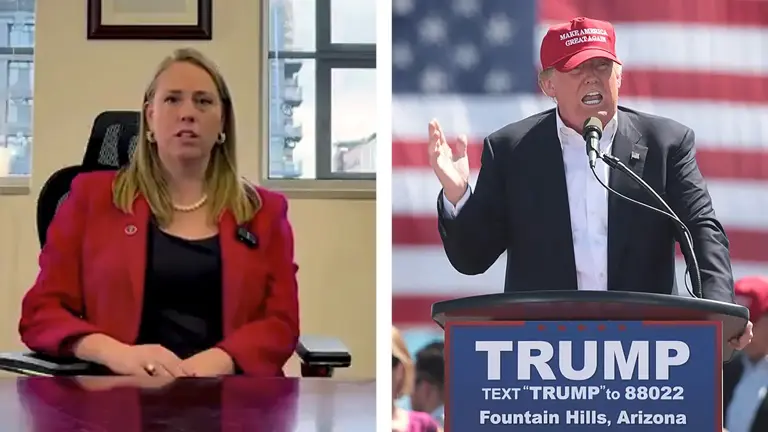
The Trump-appointed EEOC chair urges white men to file discrimination complaints — igniting backlash, fierce debate, and renewed focus on decades of research showing persistent bias against Black workers.
Despite decades of evidence showing ongoing racial bias against Black workers, the Trump administration is pushing a new message:
White men are the real victims now.
Andrea R. Lucas — the Trump-appointed chair of the Equal Employment Opportunity Commission — posted a video on X asking:
“Are you a white male who has experienced discrimination at work based on your race and sex? You may have a claim to recover money under civil rights laws.”
The reaction was immediate — explosive, emotional, and deeply divided.
Some celebrated. Others mocked. Many were furious.
One commenter joked that “white man reparations just dropped,” while another wrote that white men had gone from “action heroes to complaint forms.”
Yet beneath the viral chaos lies a much bigger fight over reality, perception, and power in the American workplace.
Research Says Something Very Different
For decades, study after study has found the same thing:
Black workers face more barriers, fewer callbacks, and harsher economic outcomes.
A few powerful examples:
📉 Unemployment Gap
Black unemployment has consistently remained nearly double that of white workers.
A recent economic report warns conditions may even be worsening, noting:
Black workers’ employment prospects are deteriorating — early signs of a looming downturn.
📄 Resume Experiment
In one landmark study, white applicants were twice as likely as equally-qualified Black applicants to receive interview callbacks.
Even more disturbing:
Black applicants with clean records did no better than white applicants just released from prison.
🏢 Name-Bias Study
A massive nationwide review found applicants with “white-sounding” names were up to 24% more likely to get callbacks than those with Black-sounding names — despite identical resumes.
These systemic barriers are exactly why diversity and inclusion programs were created in the first place.
Not to hand out jobs.
But to level the playing field.
Critics Say EEOC Is Being “Weaponized”
Supporters of Lucas argue that discrimination protections should apply equally to everyone.
Critics say her push is political — and dangerous.
Employment attorney Jason Rittereiser called Lucas’ video “ambulance-chasing,” arguing the EEOC is drifting away from its mission under the Civil Rights Act.
Others warned that the initiative may backfire — revealing data that shows exactly who has benefited most from favoritism and unequal hiring standards.
“Victims” vs. Reality — What Happens Next?
Lucas insists the agency is prioritizing white claims and says interviews can be fast-tracked.
Meanwhile, commenters warn that the sudden push could expose something uncomfortable:
That many white men who claim “reverse discrimination” may simply be competing — often for the first time — on equal footing.
And that the evidence will show it.
For now, one thing is clear:
This fight isn’t really about lawsuits.
It’s about who America believes is losing — and who has been losing all along.
Are you a white male who has experienced discrimination at work based on your race or sex?
— EEOC Chair Andrea Lucas (@andrealucasEEOC) December 17, 2025
You may have a claim to recover money under federal civil rights laws. Contact the @USEEOC as soon as possible.
The EEOC is committed to identifying, attacking, and eliminating ALL race… pic.twitter.com/BYjbld5zdv