 By Trendsetter Tribune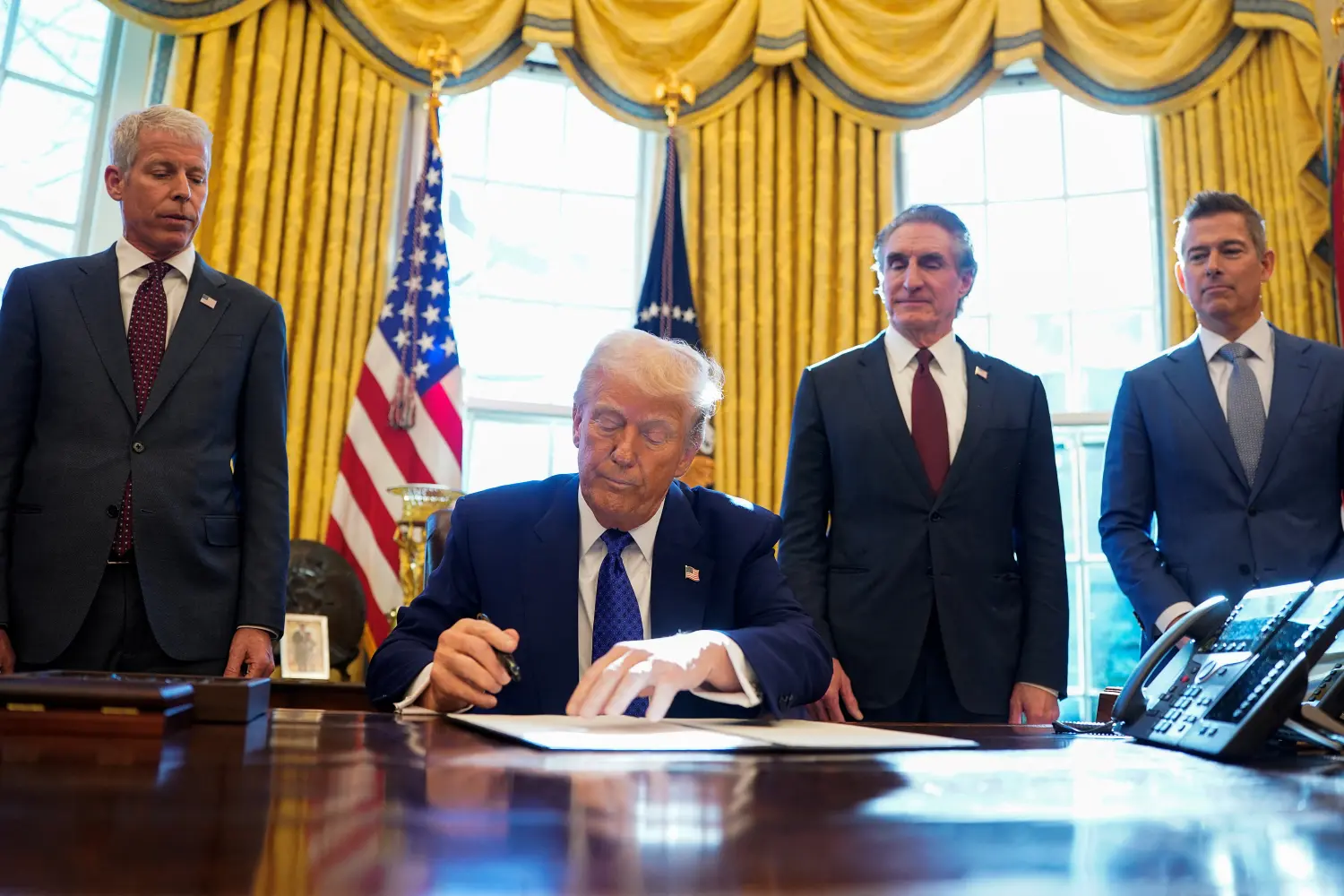
In a major policy shift throughout early 2026, the Trump administration has repurposed the Equal Employment Opportunity Commission (EEOC) and the Department of Justice (DOJ) to prioritize “reverse discrimination” cases. This push encourages White men to file lawsuits against corporations and government agencies over Diversity, Equity, and Inclusion (DEI) programs they believe have unfairly sidelined them.
High-Profile Case: Nathan Roberts vs. Progressive Insurance
A central figure in this legal wave is Nathan Roberts, a White trucking business owner who sued Progressive Insurance over its “Driving Small Business Forward Fund,” which offered $25,000 grants exclusively to Black-owned businesses.
- The Ruling: On February 24, 2026, the Sixth Circuit Court of Appeals dismissed Roberts’ case.
- The Reason: The court ruled that Roberts lacked “standing” because he never actually submitted his application. Roberts argued he stopped filling out the form once he saw the race-based eligibility criteria, but the court held that a “self-inflicted” injury—choosing not to apply—was not enough to sue.
- The Dissent: Judge Boggs issued a sharp dissent, arguing that requiring a person to perform a “futile act” (applying for a grant they are openly barred from) misreads civil rights law.
The Administration’s Strategy
The White House and the EEOC have been vocal about their new mandate to protect the “majority group” from what they term “DEI insanity.”
- EEOC “Recruitment”: EEOC Chair Andrea Lucas has used social media to explicitly ask White men who feel discriminated against to contact the agency. “There is no ‘diversity’ exception to Title VII,” Lucas wrote in a letter to Fortune 500 CEOs on February 26, 2026.
- DOJ Lawsuits: In January 2026, the DOJ filed a landmark lawsuit against Minnesota, alleging the state’s affirmative action hiring policies for civil service roles violate the Civil Rights Act of 1964.
- Executive Orders: Two executive orders signed by President Trump targeting DEI programs were upheld by a federal appeals court on March 4, 2026. These orders require federal contractors to certify they do not operate “discriminatory” DEI programs or risk losing their contracts.
Legal Precedent: Ames v. Ohio
These cases are bolstered by the 2025 Supreme Court decision in Ames v. Ohio Department of Youth Services. The Court ruled that majority-group plaintiffs do not need to meet a higher evidentiary standard than minority-group plaintiffs to prove discrimination. Previously, some courts required White men to show “background circumstances” suggesting an employer was the “unusual” type to discriminate against the majority; that requirement has now been abolished.