 By Trendsetter Tribune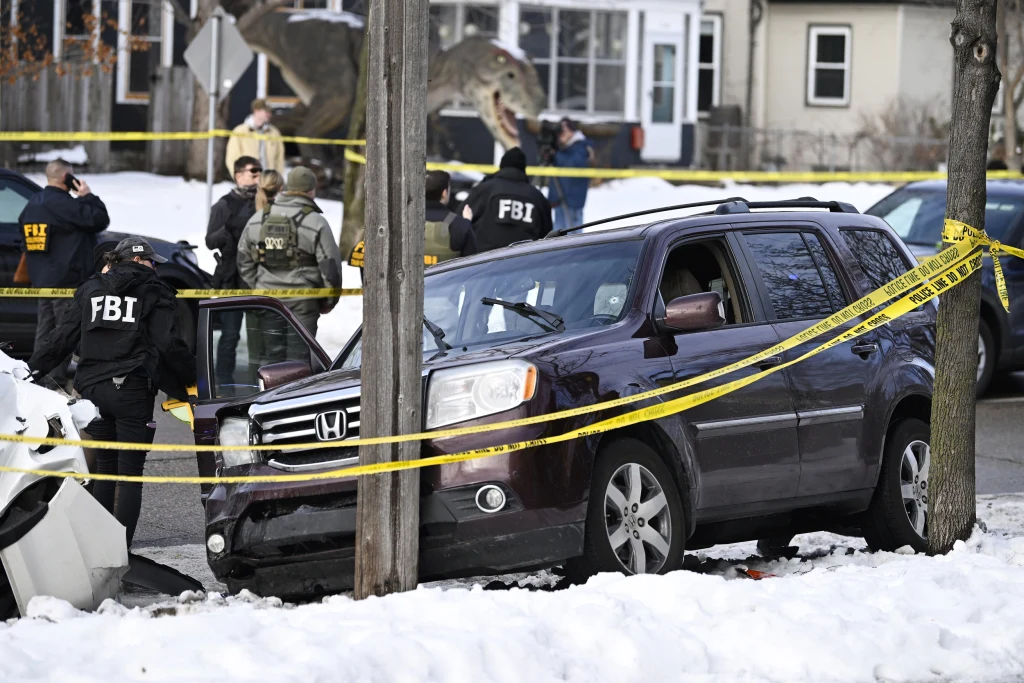
The fatal shooting of 37-year-old Renee Nicole Good by a federal immigration officer in Minneapolis has become the latest flashpoint in the debate over policing, federal power, and accountability. Local prosecutors say the state can bring criminal charges — even against a federal agent — but whether they will is still uncertain. The case is now testing trust in law enforcement, the limits of state authority, and the public’s patience for transparency.
Background / Context
The shooting happened in south Minneapolis — less than two miles from where George Floyd was killed in 2020. Since then, the city has lived under heightened scrutiny about policing practices and use of force.
Federal immigration enforcement often operates separately from local authorities, but history shows that when deadly force is used, jurisdiction becomes complicated. Cases involving federal officers typically raise constitutional questions, political pressure, and conflicts between state and federal power.
That complexity is now at the center of this case.
What Happened
Renee Good was shot and killed by Immigration and Customs Enforcement (ICE) agents during an encounter in South Minneapolis. According to reporting, Good was driving a red SUV that appeared to be blocking the path of ICE vehicles.
Video obtained by local media shows:
- Agents exiting their vehicles.
- One agent immediately moving toward the driver’s side door.
- Good appearing to wave or gesture, possibly directing traffic.
- The SUV beginning to move.
- An ICE agent firing three shots at the driver.
Good later died from her injuries. She was a U.S. citizen.
The shooting occurred in the congressional district represented by Rep. Ilhan Omar. Reaction at every level of government followed quickly.
The Hennepin County Attorney’s Office confirmed that its team — not only federal authorities — could potentially bring charges.
Spokesperson Daniel Borgertpoepping said:
“We have jurisdiction to bring charges, as do the feds… the bottom line is yes, we have jurisdiction.”
However, prosecutors also stressed that no decision will be made until the investigation is completed, and there is no clear timeline for when that will happen.
Statements — And Conflicting Narratives
Political leaders have painted sharply different pictures of what happened.
Rep. Ilhan Omar wrote:
“This is not law enforcement. It is state violence.”
Homeland Security Secretary Kristi Noem described the incident as an “act of domestic terrorism,” claiming Good tried to ram agents with her vehicle.
Former President Donald Trump suggested the officer fired in self-defense, saying Good “ran over” the officer — a statement that actually conflicts with Noem’s claim that she attempted to run them over.
Minneapolis Mayor Jacob Frey dismissed Noem’s remarks as “garbage.”
The result: competing narratives, rising anger, and growing confusion about what the public should believe.
Analysis — Where This Case Becomes Bigger Than One Shooting
What makes this case significant isn’t only the shooting — it’s the layered questions that follow:
1. Who holds federal officers accountable?
State prosecutors rarely charge federal agents. Doing so requires confidence that the charges can stand up to federal immunity protections.
2. Public trust is fragile.
Minneapolis is still recovering from years of high-profile police violence. When videos appear to show aggressive tactics, public faith erodes even faster.
3. Competing political messaging shapes perception.
Leaders spoke before all facts were known. When authority figures present conflicting accounts, communities assume someone is hiding something.
4. Transparency may decide how this story ends.
Delays and secrecy often fuel outrage. If officials share little, pressure will grow — and so will speculation.
This is why the prosecutor’s statement matters: saying the state has jurisdiction signals that no one is automatically shielded. But it also raises expectations that the public will want met.
Implications
If Minnesota prosecutes a federal immigration agent, it could:
- Set precedent for greater state oversight of federal force.
- Increase tension between state and federal authorities.
- Trigger national debate over federal immunity.
- Influence how future deadly use-of-force cases are reviewed.
If the state does not prosecute, officials will need strong, transparent explanations — or risk backlash from residents who already doubt law enforcement accountability.
Another key implication: the case shows how quickly tragedies are pulled into partisan battles. That doesn’t help investigators — and it doesn’t help families seeking answers.
Conclusion
The shooting of Renee Nicole Good has become about far more than one encounter in Minneapolis. It is now about power, responsibility, and whether federal officers face the same standard of justice as everyone else.
The investigation continues. The public will be watching — not only to learn what happened, but to see whether anyone is held accountable.