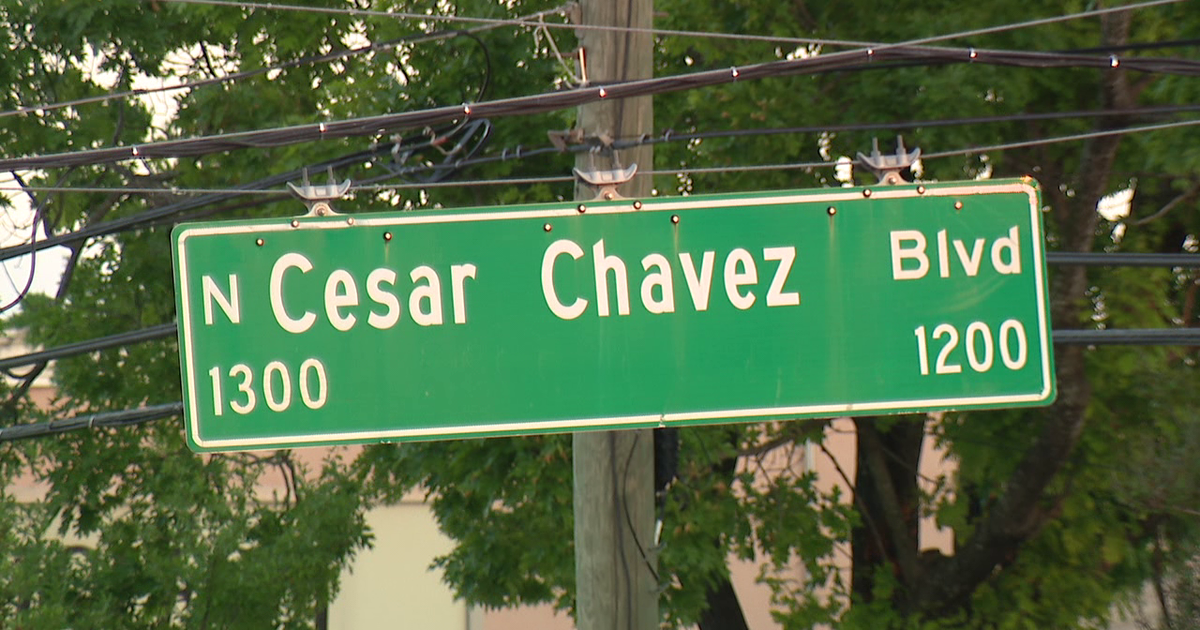
The City of Houston has officially stripped the name of labor icon Cesar Chavez from a prominent East End thoroughfare, opting instead to elevate a beloved neighborhood war hero and community guardian.
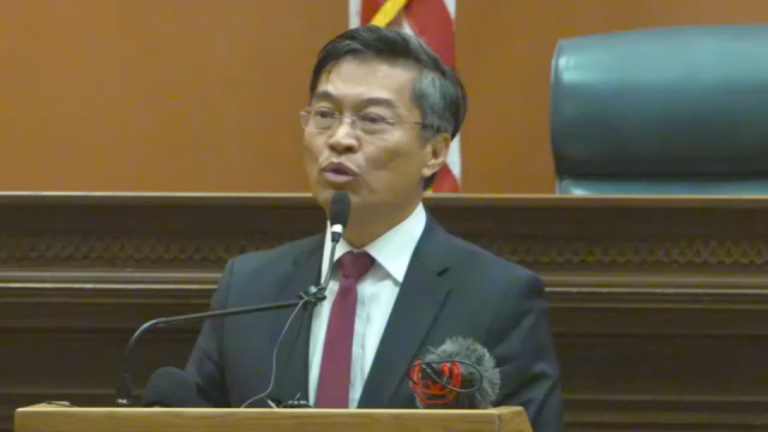
In a vote finalized on Wednesday, May 27, 2026, the Houston City Council approved an ordinance to formally rename the boulevard in honor of Master Sergeant Joe Elias “Chaco” Ramirez Sr. The decision marks the culmination of a highly charged, swift municipal pivot that began two months ago when serious, historical sexual abuse allegations surfaced against Chavez, prompting cities across Texas to rapidly scrub his name from public buildings and infrastructure.
While high-profile federal and state politicians initially lobbied City Hall to rename the street after co-founder Dolores Huerta or civil rights activist Maria Jimenez, grassroots pressure from the historic Magnolia Park community successfully demanded that the honor go to one of their own.
The Sudden Catalyst for the Change
Cesar Chavez Boulevard—which was converted from 67th Street back in 2000 at the urging of local Hispanic activist groups—became a lightning rod for controversy in early 2026.
Following an extensive investigative report by The New York Times, 95-year-old labor activist Dolores Huerta publicly revealed that she had been sexually assaulted by Chavez in the 1960s. The revelation opened the floodgates for multiple other women to come forward with historical accounts accusing the United Farm Workers co-founder of sexual abuse and grooming.
The response from Houston institutions was immediate:
- Houston ISD Action: The school district immediately dropped its “Cesar Chavez Day” holiday, redesignating March 30 as Farmworkers Day, while initiating preliminary reviews into the naming rights of Chavez High School.
- The Mayoral Pivot: Mayor John Whitmire opened a mandatory 30-day public comment period on April 1 to source alternative names from East End residents, stating that City Hall would follow the community’s lead on how to handle the 38 affected commercial and residential parcels.
From the Pusan Perimeter to the Neighborhood Center
By selecting Master Sergeant Joe “Chaco” Ramirez, City Council bypassed national iconography to honor a lifelong Houstonian whose roots run directly through the pavement being renamed.
Born at St. Joseph’s Hospital in 1931, Ramirez graduated from Sam Houston High School in 1950 before deploying to the Korean War at just 18 years old. During the brutal Battle of Unsan in November 1950, Ramirez was shot five times and captured by Chinese Communist Forces. He survived a punishing 33 months and 1 day as a Prisoner of War in Pyoktong, North Korea, before being repatriated in 1953.
Enlistment and Sniper School
January 1950
Ramirez graduates from Sam Houston High School and immediately joins the U.S. Army, deploying to Korea with the 1st Cavalry Division.
Captured at Unsan
November 1950
After being shot five times during a massive enemy ambush, Ramirez is captured and held in a North Korean POW camp for nearly three years.
Returning Home to the East End
August 1971
Retires from active duty as a Master Sergeant decorated with a Bronze Star and a Purple Heart with 5 Oak Leaf Clusters, returning to Houston to work as a local optician for 26 years.
The Guardian of Magnolia Park
1970s–2010s
Becomes a fixture of American Legion Post 472, transforming his home into a safe haven for neighborhood children and launching localized mutual aid networks to combat food insecurity.
A Final Salute
August 18, 2020
Ramirez passes away at the age of 89, leaving behind a deep legacy of grassroots service that sparked the 2026 street-naming movement.
A Grassroots Triumph Over City Hall’s Script
The council’s final vote represents an unusual victory for local neighborhood petitioners over top-down municipal planning.
In the weeks following the initial public comment rollout, a rift formed between City Hall insiders and East End residents. U.S. Representative Sylvia Garcia and Harris County Judge Lina Hidalgo aggressively championed renaming the street “Dolores Huerta Boulevard,” arguing it would preserve the labor movement’s legacy while elevating a historic female figure. In fact, city crews had prematurely begun drafting Huerta signage before the public comment period had officially closed.
However, Magnolia Park residents revolted, organizing a petition asserting that a local hero who dedicated his post-war civilian life to the neighborhood’s immediate well-being carried far more direct relevance to the community’s heritage.
| Proposed Historical Names | The Final Selected Tribute |
| Dolores Huerta Boulevard | Pushed heavily by progressive county and federal officials to honor the UFW co-founder. |
| Maria Jimenez Boulevard | Championed by regional labor organizations to recognize a local, boots-on-the-ground immigrant rights activist. |
| Joe “Chaco” Ramirez Boulevard | Approved Layout: Backed by neighborhood veterans, Magnolia Park families, and American Legion Post 472. |
With the City Council’s authorization finalized, Houston Public Works is slated to deploy teams over the next 30 days to systematically replace the corridor’s street signs. For the families of Magnolia Park, the new green-and-white signs represent more than a necessary correction of historical alignment—they stand as a permanent monument to a local soldier who fought for his country abroad and spent the rest of his life protecting his neighbors at home.
Trendsetter Tribune