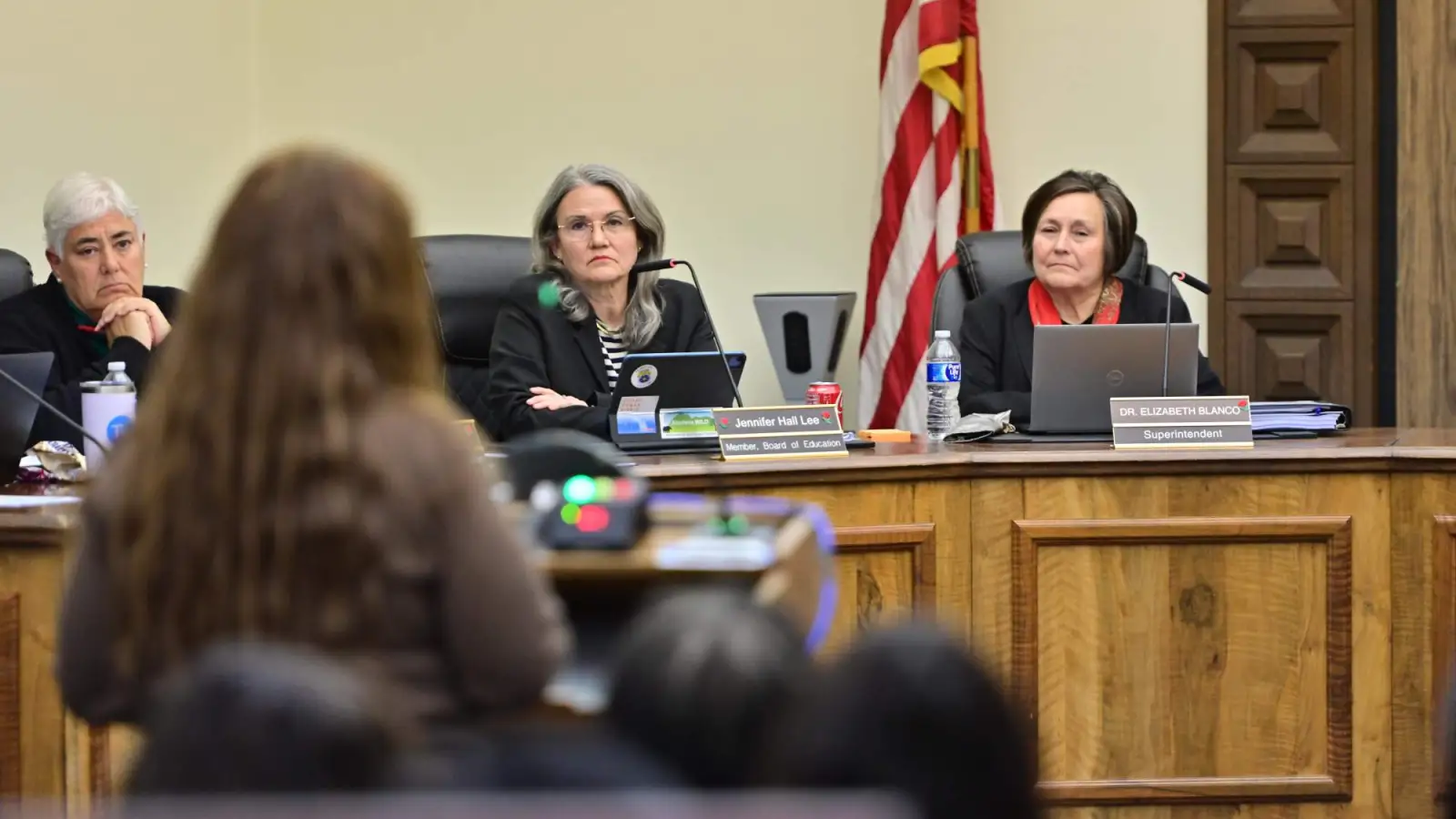
The demographic crunch hollowing out urban public school systems has officially breached the borders of Pasadena Independent School District.
With state-allocated funds rigidly bound to average daily attendance records, the administrative math has turned unforgiving: empty desks are actively translating into a multi-million dollar structural crisis.
The Crosshairs on McMasters and Tegeler
Rather than implementing sweeping, district-wide cuts, Pasadena ISD administrators are narrowing their focus on specific, underutilized facilities.
In a formal statement to the community, Pasadena ISD’s Chief of Staff confirmed that initial, sensitive discussions regarding immediate reorganization have already been fast-tracked with the personnel and faculty at two distinct campuses:
- McMasters Elementary School: A long-standing neighborhood primary school confronting sharp declines in regional childhood density.
- Tegeler Community School: A specialized alternative/community campus whose high overhead costs have become increasingly difficult to justify amid systemic austerity.
District officials heavily emphasized that if the closures are approved by the Board of Trustees, any accompanying personnel downsizing will be executed entirely through natural attrition. Vacated roles left behind by retirements and voluntary departures will simply remain unfilled, allowing the district to avoid the widespread layout of pink slips and forced teacher dismissals.
The Unforgiving Texas Funding Loop
The financial cliff eroding Pasadena ISD’s bottom line highlights a structural friction point embedded inside the Texas Education Code.
In Texas, state education funding strictly dictates that “the money follows the student.” For every child who migrates out of a public district—whether relocating to a charter system, enrolling in private schooling, or transitioning to home-based instruction—the baseline per-pupil state stipend completely vanishes from the district’s ledger.
The Structural Drain: While revenue drops instantaneously when a student leaves, the physical operational costs of running a school do not. A building with 300 students requires the exact same amount of air conditioning, roof maintenance, electricity, and janitorial infrastructure as it did when it housed 600 students, creating a massive, unsustainable drain on remaining local tax reserves.
A Regional Trend of Contraction
Pasadena ISD Chief Financial Officer Tama Alfred Stevens had previously sounded the alarm during an April board workshop, warning trustees that a mix of lower-than-anticipated enrollment figures and frozen state funding weights would balloon the district’s operational shortfall past the $23 million mark if radical structural adjustments weren’t deployed.
| School District | Recent Cost-Cutting Actions |
| Spring Branch ISD | Authorized a highly controversial matrix of elementary closures and localized program purges to close a $35 million budget gap. |
| Fort Bend ISD | Executed multiple elementary school boundary realignments and facility consolidations to streamline under-capacity buildings. |
| Pasadena ISD | Projecting a $23 Million+ deficit for the current cycle; moving forward with facility usage audits and attrition-based hiring freezes. |
A recent policy analysis published by the Baker Institute for Public Policy echoed these regional decisions, validating that maintaining underutilized, aging structures places an exponential tax burden on suburban school systems.
As Pasadena ISD leadership schedules a series of upcoming town halls and public board workshops to map out final campus transition timelines, the reality for local parents remains sobering. The booming suburban growth cycles that built these neighborhood schools have cooled, leaving administrators with no choice but to downsize the neighborhood footprint to save the broader district framework.
Trendsetter Tribune