 By Trendsetter Tribune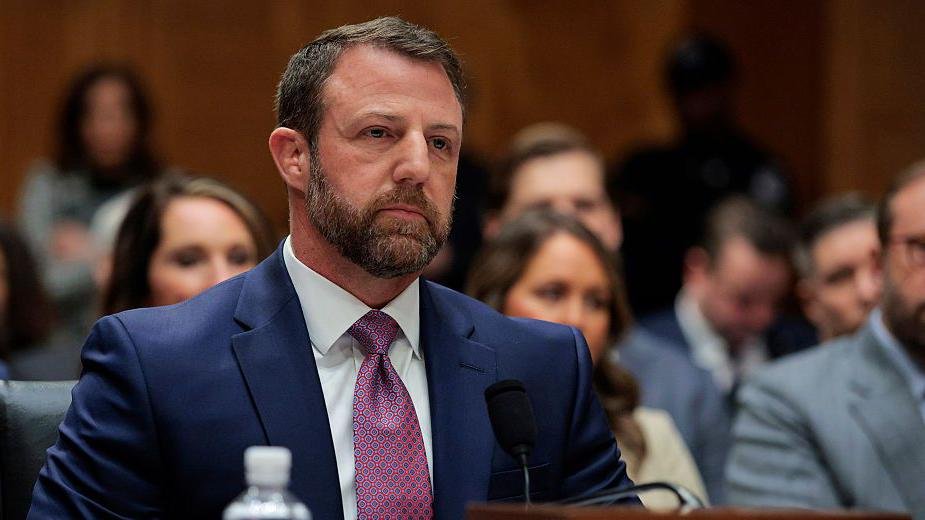
In a confirmation vote held on Monday evening, March 23, 2026, the Senate approved Markwayne Mullin as the new Secretary of Homeland Security with a final tally of 54–45. While the vote largely followed party lines, two Democrats broke from their caucus to support the President’s nominee.
The crossover votes were critical in providing Mullin with a bipartisan veneer as he takes over a department currently paralyzed by a five-week funding shutdown.
The Democrats Who Voted “Yea”
| Senator | State | Reasoning Provided |
| John Fetterman | Pennsylvania | Stated his vote was rooted in a “constructive working relationship” with Mullin and a desire to “reopen DHS” immediately. |
| Martin Heinrich | New Mexico | Described Mullin as a “friend” who cannot be “bullied” and expressed a need for a secretary who understands the unique terrain of the Southwest. |
Key Details of the Vote
- The Republican Defection: Senator Rand Paul (R-KY) was the only Republican to vote against Mullin. Paul had engaged in a series of heated exchanges with Mullin during the confirmation hearings, citing concerns over Mullin’s temperament and past comments regarding an assault Paul suffered in 2017.
- Absences: Senator Ruben Gallego (D-AZ) was the only member who did not cast a vote.
- Committee Leverage: Senator Fetterman’s support was instrumental early on; he provided the decisive vote in the Senate Homeland Security and Governmental Affairs Committee to advance the nomination to the full floor.
Why the Crossover Happened
The support from Fetterman and Heinrich was notable given the current political climate:
- The DHS Shutdown: Both senators emphasized the urgency of installing a confirmed leader to end the 39-day funding lapse that has caused significant disruptions to air travel and border operations.
- A “Professional” Alternative: Heinrich specifically noted that he preferred Mullin—whom he views as an independent-minded colleague—over other potential administration figures who might take more direct orders from hardline immigration architects in the White House.
- Personal Ties: Both Fetterman and Heinrich cited their personal friendships and history of working with Mullin in the Senate as a reason to trust his leadership, despite deep ideological disagreements on immigration policy.