 By Trendsetter Tribune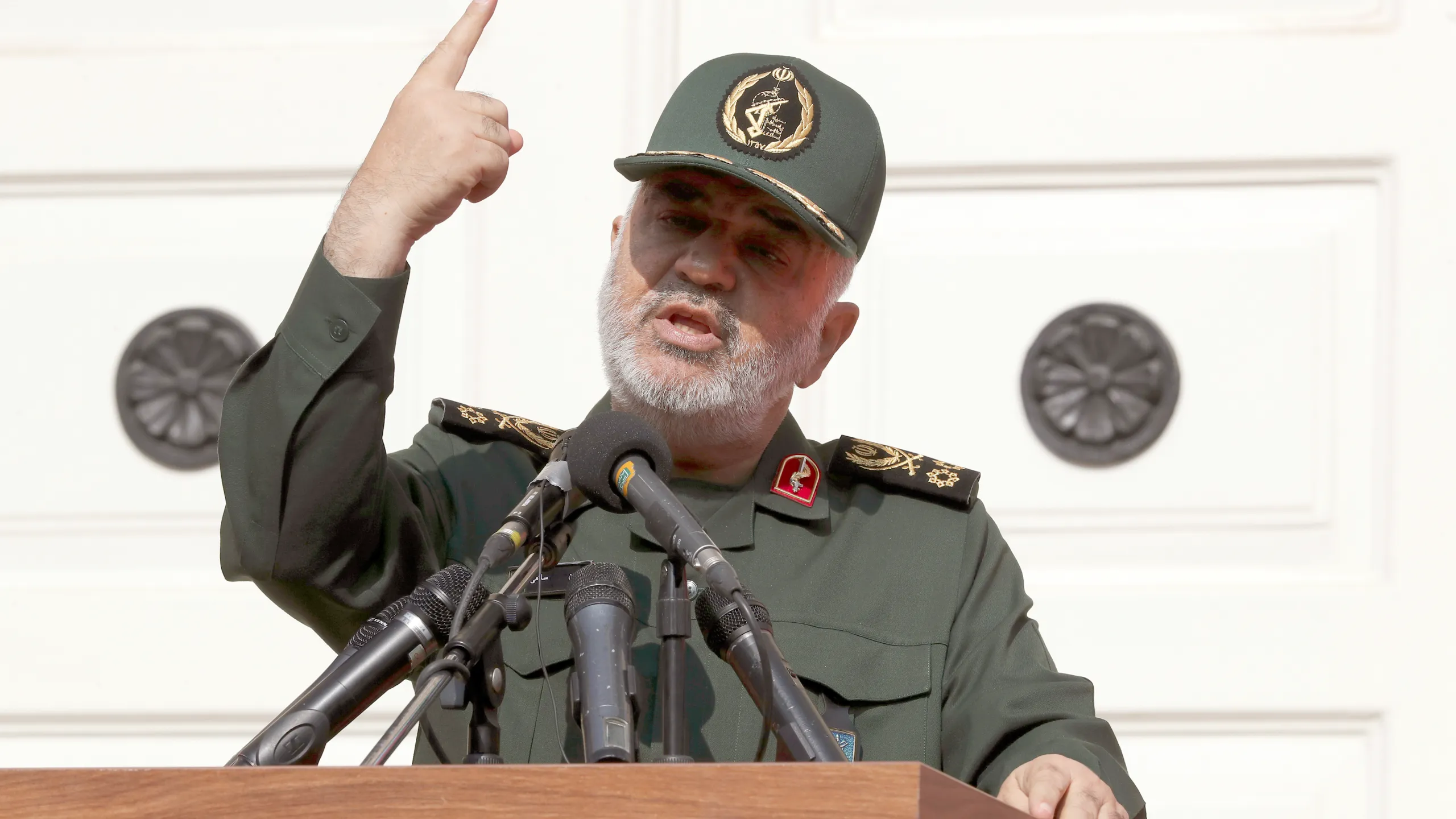
Tensions between the U.S. and Iran escalated Thursday as the commander of Iran’s Revolutionary Guards warned Washington that the force had its “finger on the trigger.” The warning comes in the wake of a brutal crackdown on anti-government protests that erupted in late December 2025.
IRGC commander General Mohammad Pakpour cautioned both the U.S. and Israel to “avoid any miscalculations” and said Iranian forces are “more prepared than ever” to act on orders from Supreme Leader Ayatollah Ali Khamenei. Another senior military official, General Ali Abdollahi Aliabadi, added that if the U.S. attacks, “all U.S. interests, bases, and centers of influence” could be considered legitimate targets.
Despite the sharp rhetoric, President Donald Trump suggested diplomacy is still possible. Speaking at the World Economic Forum in Davos, he noted that the U.S. struck Iranian uranium enrichment sites last year to prevent Tehran from developing a nuclear weapon. Trump said, “Iran does want to talk, and we’ll talk,” while reaffirming that the U.S. would act if Iran continues advancing its nuclear program.
The standoff comes after two weeks of mass protests in Iran, which were violently suppressed. Iranian authorities officially reported 3,117 deaths, though human rights organizations warn the real toll could exceed 20,000. Arrests have also surged, with HRANA reporting over 26,500 people detained, including more than 200 arrests on Thursday alone.
Israel’s President Isaac Herzog added to the pressure, saying the “future for the Iranian people can only be in a regime change,” describing the clerical leadership as “fragile.”
The Revolutionary Guards, sanctioned as a terrorist entity by the U.S., Israel, Australia, and Canada, remain central to the regime’s enforcement, both domestically and abroad. Activists accuse the force of being on the frontline of the deadly protest crackdown, with a nationwide internet blackout making independent verification difficult.
As both sides weigh their next moves, the world watches closely, aware that missteps could escalate into a broader conflict in the Middle East.