 By Trendsetter Tribune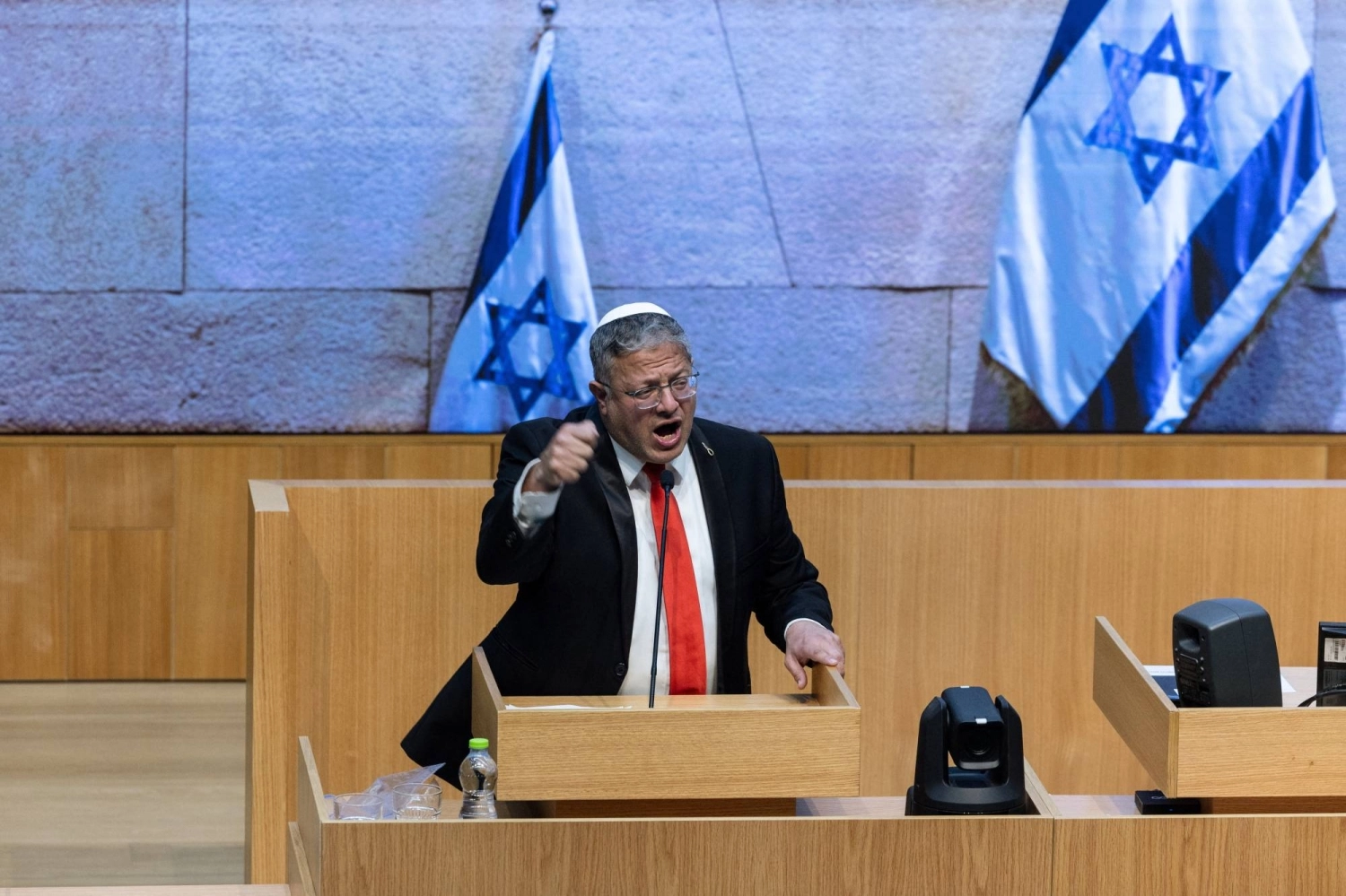
On Monday, March 30, 2026, the Israeli Knesset passed a contentious law in its final reading that expands the application of the death penalty for individuals convicted of “terrorist acts” resulting in the death of Israeli citizens. The legislation, which passed with a 62-54 vote, specifically targets offenses motivated by nationalistic or ideological animus against the State of Israel.
The bill was a central demand of the far-right factions within the governing coalition, led by National Security Minister Itamar Ben-Gvir, who hailed the vote as a “moral necessity” and a “just deterrent.”
Key Provisions of the New Law
The legislation introduces several significant changes to Israel’s judicial and military legal codes:
- Expanding the Scope: While the death penalty previously existed in Israeli law (primarily for Nazi war criminals and treason), it had not been applied in decades. The new law mandates or allows for the death penalty in civilian and military courts for “intentional killing” motivated by a desire to harm the State of Israel or the Jewish people.
- Military Court Threshold: In the West Bank, military courts can now hand down a death sentence with a simple majority of two out of three judges, lowering the previous requirement for a unanimous decision.
- Limited Judicial Intervention: The law includes provisions that make it significantly more difficult for the High Court of Justice to commute these specific sentences, placing more power in the hands of the trial judges.
The Domestic and International Backlash
The vote has triggered immediate and severe condemnation from human rights organizations, the Palestinian Authority, and several of Israel’s closest allies.
| Entity | Reaction / Statement |
| The Palestinian Authority | Labeled the law “state-sponsored execution” and warned it would lead to a “dangerous escalation of violence” in the West Bank and Gaza. |
| The European Union | Issued a statement reaffirming its “categorical opposition” to the death penalty, calling the law “cruel, inhuman, and a violation of the right to life.” |
| The United Nations | UN High Commissioner for Human Rights Volker Türk urged Israel to reconsider, stating that the law “disregards international human rights standards.” |
| Attorney General Gali Baharav-Miara | Had previously warned the government that the law is “unconstitutional” and likely to face immediate challenges in the High Court. |
A Divided Israel
The law has also deepened internal Israeli rifts. While supporters argue it is the only way to deter “lone wolf” attackers, opponents—including former security chiefs—warn that it could turn convicted attackers into “martyrs,” potentially leading to more kidnappings and retaliatory strikes.
- The Hostage Connection: Some families of Israelis currently held in Gaza have expressed deep concern that the law could jeopardize the lives of their loved ones, fearing that Hamas or other groups will use the threat of execution as a pretext for their own “retaliatory” killings.
- The “Apartheid” Argument: Critics of the bill, including the Adalah Legal Center, argue that the law is discriminatory because it is designed to be applied almost exclusively to Palestinians, further entrenching a dual legal system in the occupied territories.
What Happens Next?
The law is expected to face a series of immediate legal challenges in Israel’s High Court of Justice. Given the Attorney General’s prior warnings, the court may issue an injunction to stay the implementation of the law while its constitutionality is debated.
Furthermore, the United States State Department issued a “careful” response today, noting that while Israel has the right to defend itself, the U.S. continues to oppose the death penalty globally and remains concerned about any move that “diminishes the prospects for a two-state solution.”