 By Trendsetter Tribune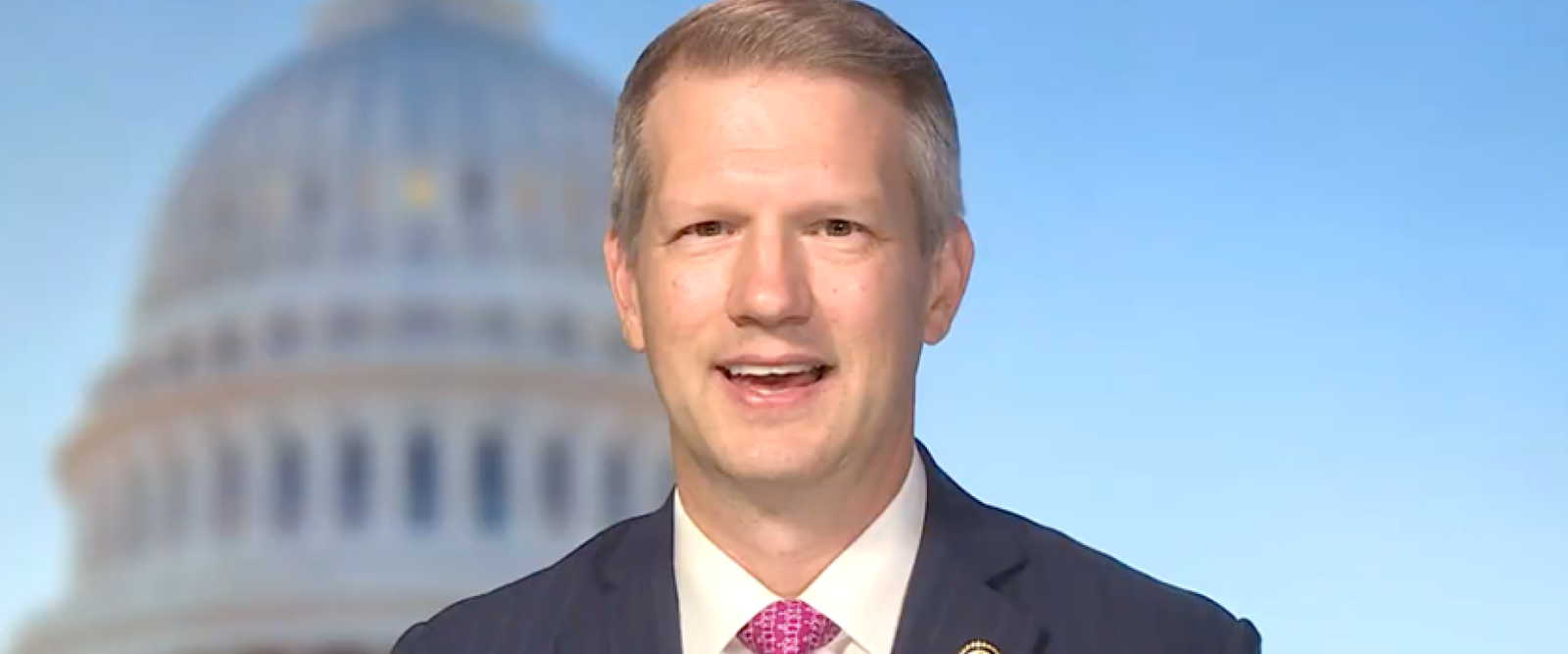
Representative Riley M. Moore (R-WV) issued a stark warning to the Nigerian government on Tuesday, March 31, 2026, following a series of coordinated Palm Sunday attacks that left at least 53 people dead in predominantly Christian communities.
The congressman, who was recently tapped by the President to lead a special investigation into religious persecution in Africa, reiterated that the United States is prepared to take unilateral action if local authorities fail to stop the violence.
The Palm Sunday Attacks (March 29, 2026)
The violence broke out on Sunday evening across several flashpoints in Plateau and Kaduna states, disrupting Holy Week observances for thousands of believers.
- Jos North (Plateau State): The deadliest incident occurred in the Ungwan Rukuba community around 8:00 p.m. Gunmen—identified by witnesses as either militant Fulani or Boko Haram terrorists—opened fire indiscriminately. Local reports confirm at least 27 to 30 deaths in this location alone.
- Kaduna State: In the village of Kahir, gunmen attacked a bachelor party, killing 13 young men between the ages of 21 and 31.
- Eto Baba: An additional 10 people were killed in a shooting at the Angwa Rukuba Junction.
- The “Military Uniform” Tactic: The Christian Association of Nigeria (CAN) noted with alarm that some attackers reportedly wore imitation military uniforms, a tactic used to sow confusion and erode public trust in security forces.
Moore’s “Guns A-Blazing” Warning
Rep. Moore’s statement aligns with the administration’s increasingly aggressive posture toward the Nigerian government’s handling of extremist groups.
- Redesignation as CPC: In October 2025, the administration officially redesignated Nigeria as a Country of Particular Concern (CPC), a move that unlocked 15 different diplomatic and economic “levers,” including the potential for targeted sanctions.
- The Threat of Kinetic Action: Moore echoed the President’s previous warnings that the U.S. may intervene “guns a-blazing” to dismantle terrorist networks if the Nigerian state remains “disgraced” by its inaction. Moore told reporters that “all options are on the table,” including targeted counterterrorism strikes against leadership.
- The “Genocide” Label: Moore has consistently labeled the targeted killing of Christians in the Middle Belt as a “genocide,” a term the Nigerian presidency has rejected, instead characterizing the violence as a resource-based conflict between farmers and herders.
Legislative Response: The Smith-Moore Act
The Palm Sunday massacre has provided new momentum for the Nigeria Religious Freedom and Accountability Act of 2026, co-sponsored by Moore and Rep. Chris Smith (R-NJ).
| Provision | Objective |
| Mandatory Reporting | Requires the State Department to provide a comprehensive report on Nigerian blasphemy laws and Sharia enforcement within 90 days. |
| Security Assistance Audit | Evaluates whether U.S. training and equipment provided to Nigeria since 2009 is inadvertently enabling religious persecution. |
| Humanitarian Carve-out | Directs aid specifically to Christians displaced by Fulani-ethnic militias through faith-based partners. |
Escalation of U.S. Presence
The U.S. has already demonstrated its willingness to use force; on December 25, 2025, U.S. forces launched airstrikes against ISIS-linked militants in Nigeria specifically as a “consequence” for the killing of Christians.
As of this afternoon, a 48-hour curfew remains in effect in parts of Jos, though local youth have reportedly defied the order to protest the lack of protection from the Nigerian military.