 By Trendsetter Tribune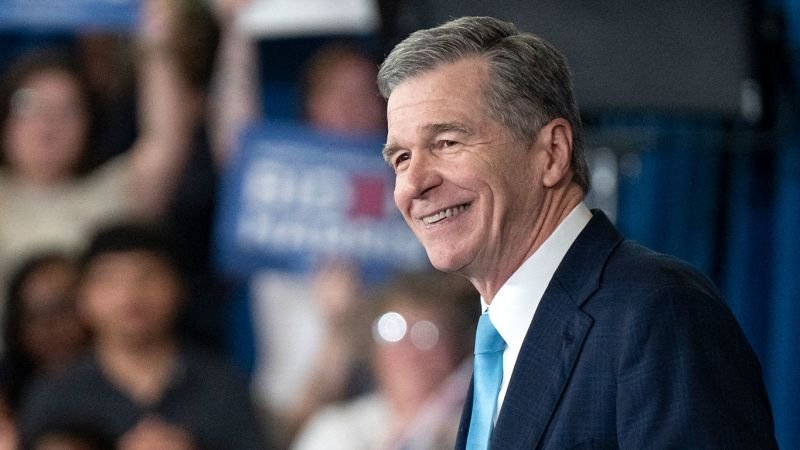
Fresh off a dominant primary victory on March 3, 2026, former Governor Roy Cooper has emerged as a formidable threat to the Republican hold on North Carolina’s U.S. Senate seats. Following the retirement of Senator Thom Tillis, Cooper is set to face former RNC Chairman Michael Whatley in a general election matchup that is currently trending in the Democrat’s favor.
According to the latest polling and primary data, the GOP faces a significant challenge in retaining this “open” seat in what is becoming a top national battleground.
The Polling Landscape: Cooper’s Early Advantage
Current polling averages and recent surveys indicate that Cooper starts the general election cycle with a notable lead over Whatley.
- Polling Averages (March 16, 2026): Aggregated data from Race to the WH and RealClearPolitics shows Cooper leading Whatley by 8.5 to 8.9 percentage points.
- The Emerson Edge: An earlier Emerson College survey placed Cooper at 47% compared to Whatley’s 41%, highlighting a six-point cushion that has remained relatively stable throughout the early campaign.
- Name Recognition Gap: Cooper enters the race with a 51% favorability rating and universal name recognition from his eight years as governor. In contrast, Whatley remains unknown to nearly 36% of voters, providing both an opportunity for him to define himself and a risk that the Cooper campaign will do it first.
Key Factors Driving the Race
- Independent and Crossover Voters: A critical vulnerability for the GOP is Cooper’s historical strength with independents. Current data shows him with a 19-point lead among independent voters, a group that has historically helped him win statewide even as North Carolina voted for Donald Trump at the top of the ticket.
- Primary Turnout Divergence: The March 3 primaries revealed a stark “enthusiasm gap.” Over 800,000 Democrats cast ballots in their Senate primary, while only 626,000 Republicans participated—a reversal from the 2022 midterms where GOP turnout significantly outpaced Democrats.
- The “War Chest” Disparity: As of mid-March, Cooper has raised more than $21 million, with approximately $14.2 million in cash on hand. Whatley, despite strong party backing, has about $2.5 million on hand after his primary contest.
Republican Counter-Strategy: Framing the “Radical” Governor
The Whatley campaign and the NRSC have already begun a high-decibel effort to erode Cooper’s moderate image.
- Soft on Crime: Republicans are heavily utilizing a 2025 stabbing in Charlotte to frame Cooper’s judicial appointments and vetoes as “soft on crime.”
- Immigration: They have focused on Cooper’s veto of a bill that would have required sheriffs to cooperate with ICE, labeling him a protector of “criminal illegal aliens.”
- The Trump Tie: Whatley is leaning heavily into his role as a Trump ally, hoping the President’s endorsement will consolidate the GOP base and counter Cooper’s crossover appeal.
2026 Senate Matchup: At a Glance
| Metric | Roy Cooper (D) | Michael Whatley (R) |
| Primary Vote Share | 92.0% | 64.6% |
| Current Polling Avg. | 47.2% | 38.5% |
| Cash on Hand | $14.2M | $2.5M |
| Core Message | “Make stuff cost less” / Independent Leadership | “Security, Economy, and America First” |