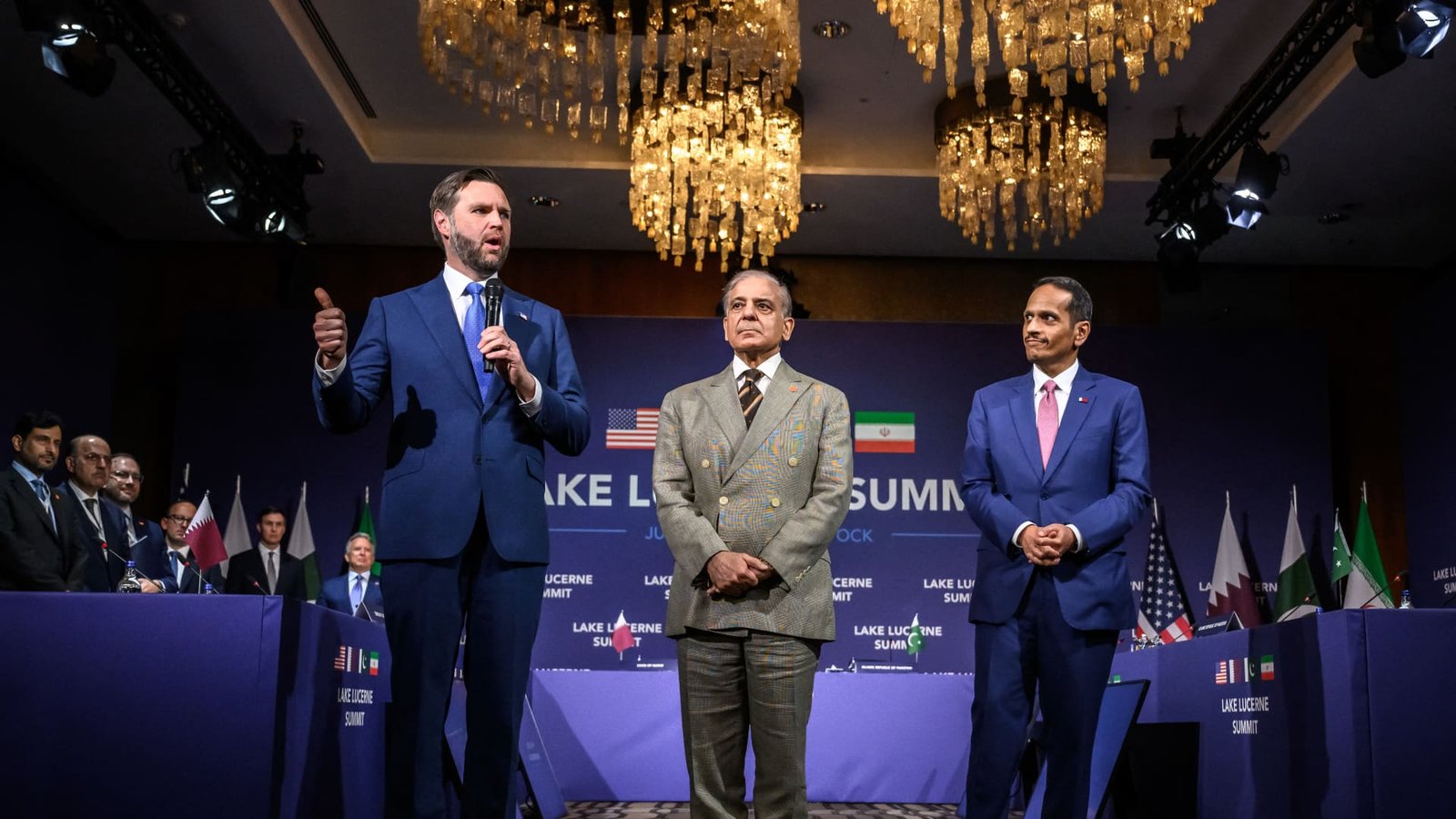
In a monumental shift in American foreign policy, the U.S. Treasury Department has officially authorized the production, delivery, and sale of Iranian crude oil and petroleum products.
The move, announced on Monday, June 22, 2026, comes via a temporary, 60-day general license designed to keep global markets stable while Washington and Tehran engage in intensive negotiations in Bürgenstock, Switzerland, to secure a final, comprehensive peace deal.
The waiver represents an extraordinary pivot following the June 17 memorandum of understanding signed by President Donald Trump and Iranian officials, which effectively halted a volatile months-long military conflict that erupted earlier this year








The Terms of the 60-Day License
The general license, issued by Treasury Secretary Scott Bessent, remains in effect through August 21, 2026. It allows Iran to bypass years of crippling economic blockades and introduces several sweeping provisions:
- Global and U.S. Deliveries: The license permits Iran to sell crude oil, petrochemicals, and refined derivatives globally. Strikingly, it also opens the door for the direct importation of Iranian crude into the United States for the first time in decades.
- Banking and Associated Services: To make the oil flow viable, the Treasury has cleared associated financial services, allowing transactions to be processed in U.S. dollars. It also clears the use of previously sanctioned vessels to transport the cargo.
- Unfreezing Assets for Agriculture: Alongside the oil waiver, Qatar and Iran signed an agreement to systematically release billions of dollars in frozen Iranian assets. According to Vice President JD Vance, the deal mandates that Tehran must spend these unfrozen funds on food commodities produced by U.S. farmers, such as soybeans.
The Quid Pro Quo: Nuclear Insubordination Ends
The economic lifeline extended to Tehran is strictly conditional. U.S. officials emphasized that the sanctions relief will only remain active if Iran rigorously adheres to the terms of the interim peace framework.
During high-stakes weekend talks in Switzerland—which nearly fractured following a series of aggressive social media exchanges between President Trump and the Iranian delegation—the two sides ultimately established key baselines for the 60-day negotiating window:
| Iran’s Key Commitments | U.S. & International Reciprocity |
| Return of IAEA Inspectors: Tehran has agreed to allow UN nuclear inspectors back into the country for the first time since U.S. and Israeli airstrikes targeted its facilities. | Lifting of the Naval Blockade: The U.S. military has begun dismantling its two-month maritime blockade of major Iranian ports. |
| Free Transit in Hormuz: Iran has committed to the completely free, unhindered flow of commercial navigation through the vital Strait of Hormuz without imposing arbitrary tolls. | Regional Deconfliction: Washington, Tehran, and Beirut have established a joint mechanism to pursue a working ceasefire in Lebanon, where the Iran-aligned group Hezbollah is based. |
Market Relief and Political Backlash
The prospect of millions of barrels of Iranian crude legally flooding back into the international market has already forced a sharp retreat in energy prices, which had spiked to historic wartime highs during the height of the conflict. In Monday trading, Brent crude slid down to near $77 a barrel.
Prior to the announcement, strict U.S. sanctions meant that nearly all of Iran’s black-market crude was routed clandestinely to China at steep discounts. Now, European and global refiners are scrambling to evaluate whether they can safely re-establish dormant logistical and banking relationships before the August deadline.
Despite the economic relief, the Trump administration faces a wall of intense bipartisan criticism in Washington. Skeptics and hawkish lawmakers argue that the front-loaded concessions give Tehran an unearned financial windfall that could easily be diverted to fund regional proxy networks.
President Trump has dismissed the criticism while leaving himself an explicit exit strategy, reiterating that the agreement is an interim memorandum. “If Iran doesn’t live up to their agreement,” Trump warned reporters, “we’ll go back to shooting at them.”
Trendsetter Tribune