 By Trendsetter Tribune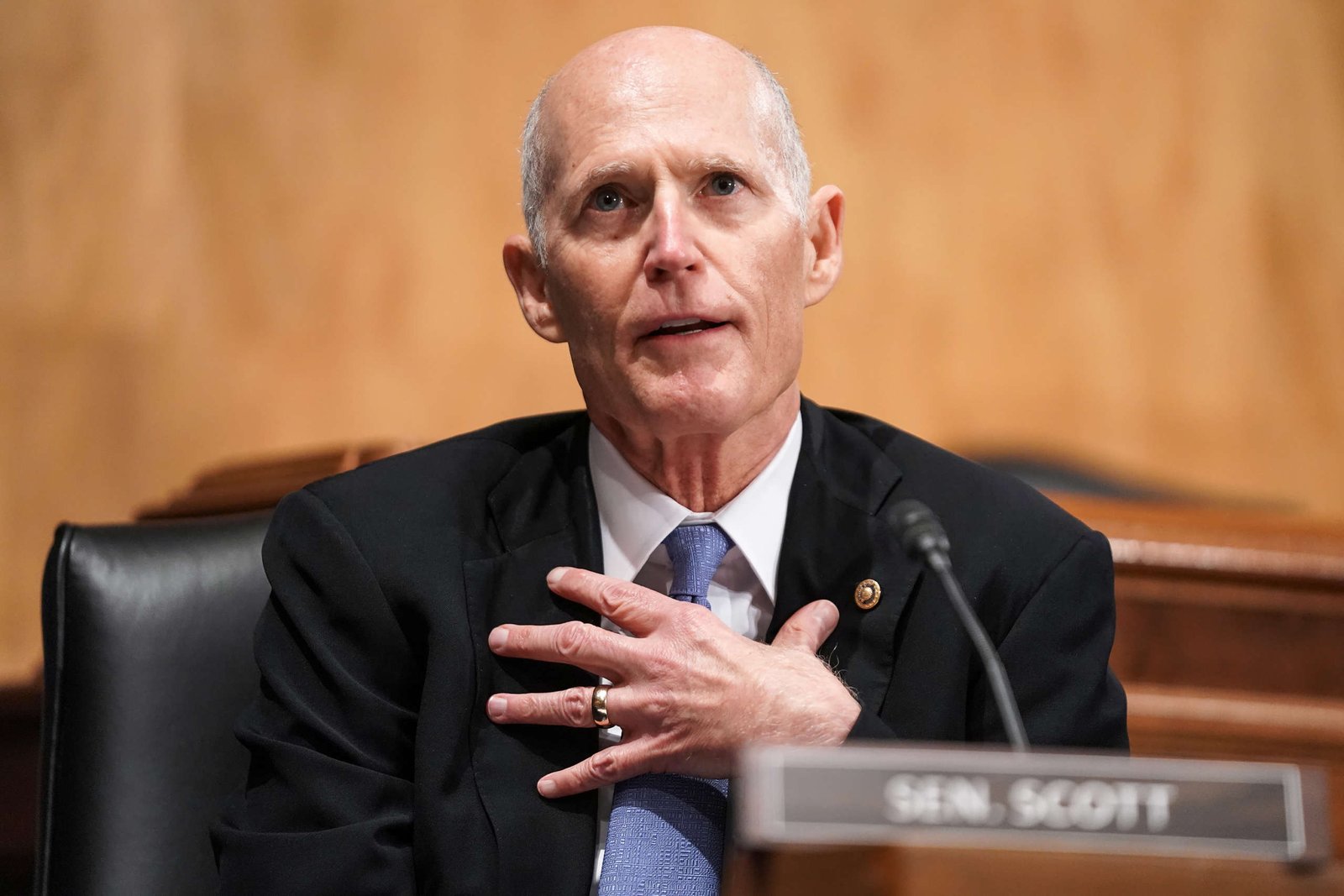
On Monday, March 23, 2026, U.S. Senator Rick Scott (R-FL) filed a federal lawsuit against the consulting giant Booz Allen Hamilton and its former contractor, Charles Littlejohn. The lawsuit, filed in the U.S. District Court for the Middle District of Florida, accuses the firm of a “systemic failure” to protect the confidential information of more than 400,000 American taxpayers.
Key Allegations in the Complaint
Senator Scott’s legal action follows years of controversy surrounding the 2018–2020 leak of private tax records to media outlets like The New York Times and ProPublica.
- Failure to Safeguard Data: The complaint alleges that Booz Allen Hamilton failed to implement adequate oversight and security protocols, allowing Littlejohn to systematically extract and mask the theft of highly sensitive data.
- Recovery of Damages: Scott is seeking recovery for “inflicted damages” caused by the disclosure of his personal financial information. He has previously described the incident as an “attack on our democracy” and a “gross violation of privacy.”
- Victim Impact: Scott was one of approximately 406,000 taxpayers—including President Trump and Elon Musk—whose data was compromised in what has been called the “greatest heist in IRS history.”
Context: The Littlejohn Case and Federal Retribution
The lawsuit comes at a time of significant turmoil for Booz Allen Hamilton:
- The Criminal Case: Charles Littlejohn was sentenced in January 2024 to the maximum five years in prison after pleading guilty to one count of unauthorized disclosure of tax return information. Prosecutors revealed he specifically sought an IRS contract to target the then-president’s records.
- Contract Cancellations: In late January 2026, Treasury Secretary Scott Bessent took the unprecedented step of canceling all 31 active contracts with Booz Allen Hamilton, totaling approximately $21 million. Bessent cited the firm’s “inadequate safeguards” as a primary driver for the decision, mirroring the arguments in Scott’s current lawsuit.
- Booz Allen’s Defense: The firm has consistently condemned Littlejohn’s actions, noting that the breach occurred on government systems, not their own, and that they fully cooperated with the DOJ investigation that led to his conviction.
Political Implications
Senator Scott has been a vocal critic of the “sweetheart” plea deal Littlejohn originally received under the previous administration. By filing this civil suit, Scott is keeping the issue in the national spotlight as a key component of the current administration’s broader campaign to “root out waste, fraud, and abuse” within the federal contracting system.