 By Trendsetter Tribune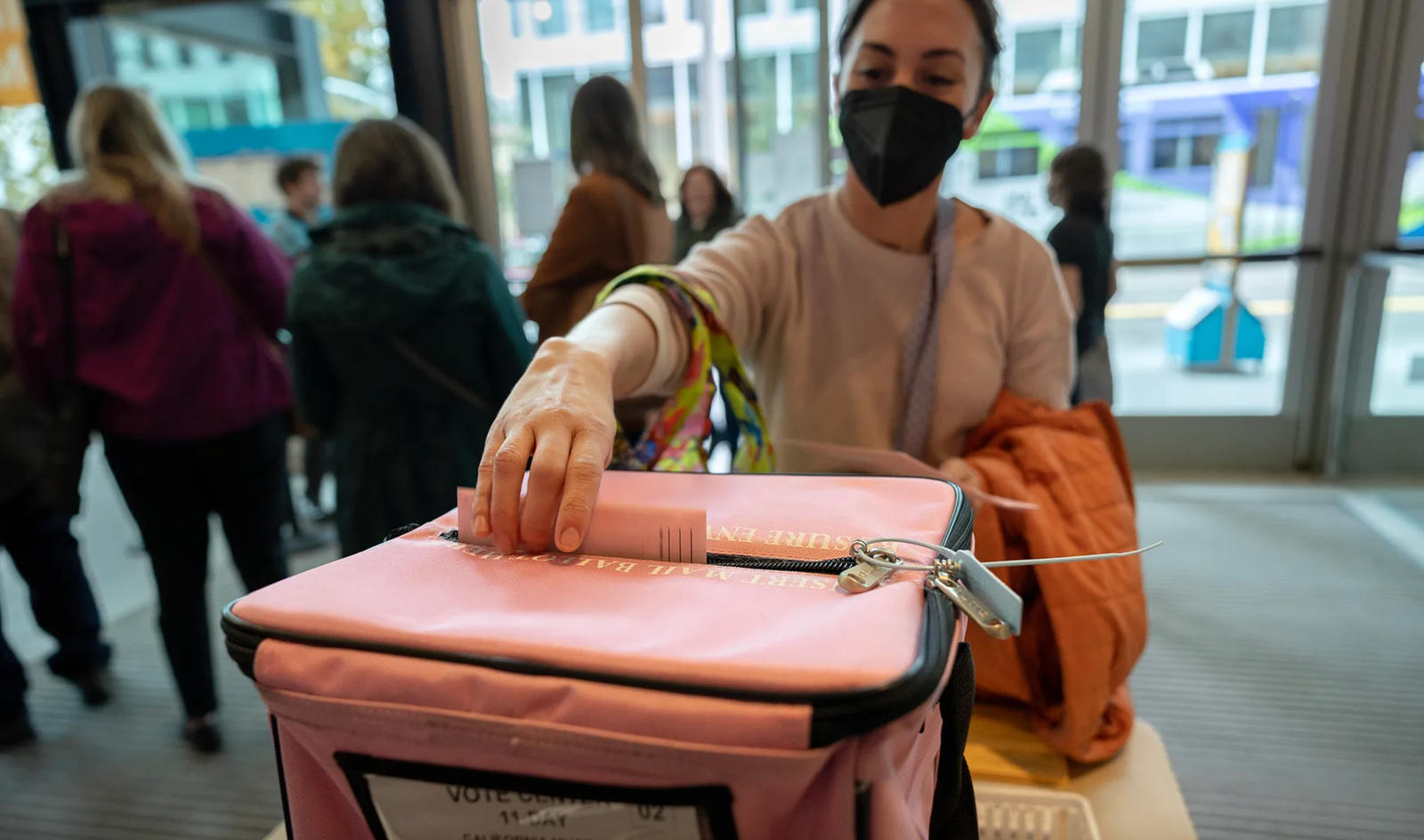
As the administration enters the second quarter of 2026, data from recent special elections and national surveys suggest a complex shift in voter sentiment. While the core “MAGA” base remains largely intact, there are measurable signs of friction among the independent and suburban voters who were critical to the 2024 victory.
This “regret” or “recalibration” is increasingly visible in three key areas: economic frustration, the ongoing DHS shutdown, and recent localized electoral upsets.
1. The “Kitchen Table” Crisis: Insurance and Inflation
While the administration has focused on high-profile immigration and judicial overhauls, voters in key states like Florida and Ohio are expressing growing frustration over local economic pressures.
- The Insurance Spike: In Florida, property insurance premiums have continued to climb, with some homeowners seeing 30% increases year-over-year. Internal polling suggests that 49% of Floridians now view housing costs as a larger crisis than border security.
- The $4.00 Gallon: With U.S. crude pushing above $100 per barrel this week, the return of high gas prices has dampened the “relief rally” seen earlier this year, directly impacting the “pocketbook” sentiment of commuters.
2. The Impact of the Record DHS Shutdown
The partial government shutdown, now in its 46th day, has begun to move from a theoretical policy dispute to a daily logistical headache for many voters.
- Travel Disruptions: With TSA call-outs rising and wait times at major hubs like Houston and New York reaching several hours, the “functional” cost of the shutdown is registering with frequent travelers.
- Federal Paychecks: While the President recently directed “alternate funds” to pay TSA agents, the broader freeze on FEMA and Coast Guard administrative functions has created a sense of “governance fatigue” even among supporters of the administration’s border goals.
3. Special Election “Red-to-Blue” Flips
The most concrete evidence of shifting sentiment came on March 24, 2026, when Democrats pulled off two major upsets in Florida districts previously considered safe Republican territory.
| District | The Result | Significance |
| FL House Dist. 87 | Democrat Emily Gregory flipped a seat the GOP won by 19 points in 2024. | This district includes Mar-a-Lago; the win is being framed as a “backyard” rebuke. |
| FL Senate Dist. 14 | Democrat Brian Nathan won despite a 10-point GOP registration advantage. | Nathan’s campaign focused almost exclusively on the state’s affordability crisis. |
4. The “No Kings” Movement and Youth Discontent
The rise of the “No Kings” protest movement has also begun to draw in a subset of voters who originally supported the President but are now wary of certain executive actions.
- Executive Overreach: The use of Executive Order 14160 to redefine birthright citizenship has triggered a “textualist” backlash among some libertarians and constitutional conservatives.
- The “Stripper Index”: Viral reports of imminent, large-scale troop deployments have fueled anxiety among younger service members and their families, leading to a “depressed” mood in military hubs like San Diego and Fayetteville.
Is it “Regret” or “Realignment”?
Political analysts remain divided on whether these trends represent a permanent “regret” or a temporary mid-term realignment.
- The Base remains solid: Most national polls show the President retains a 90% approval rating among self-identified Republicans.
- The “Independent” Exit: The real danger for the administration lies with the “Double-Haters”—voters who dislike both parties but broke for the President in 2024. Current generic ballot polling shows Democrats holding a 14-point lead heading into the November midterms, the largest such gap in nearly a decade.