 By Trendsetter Tribune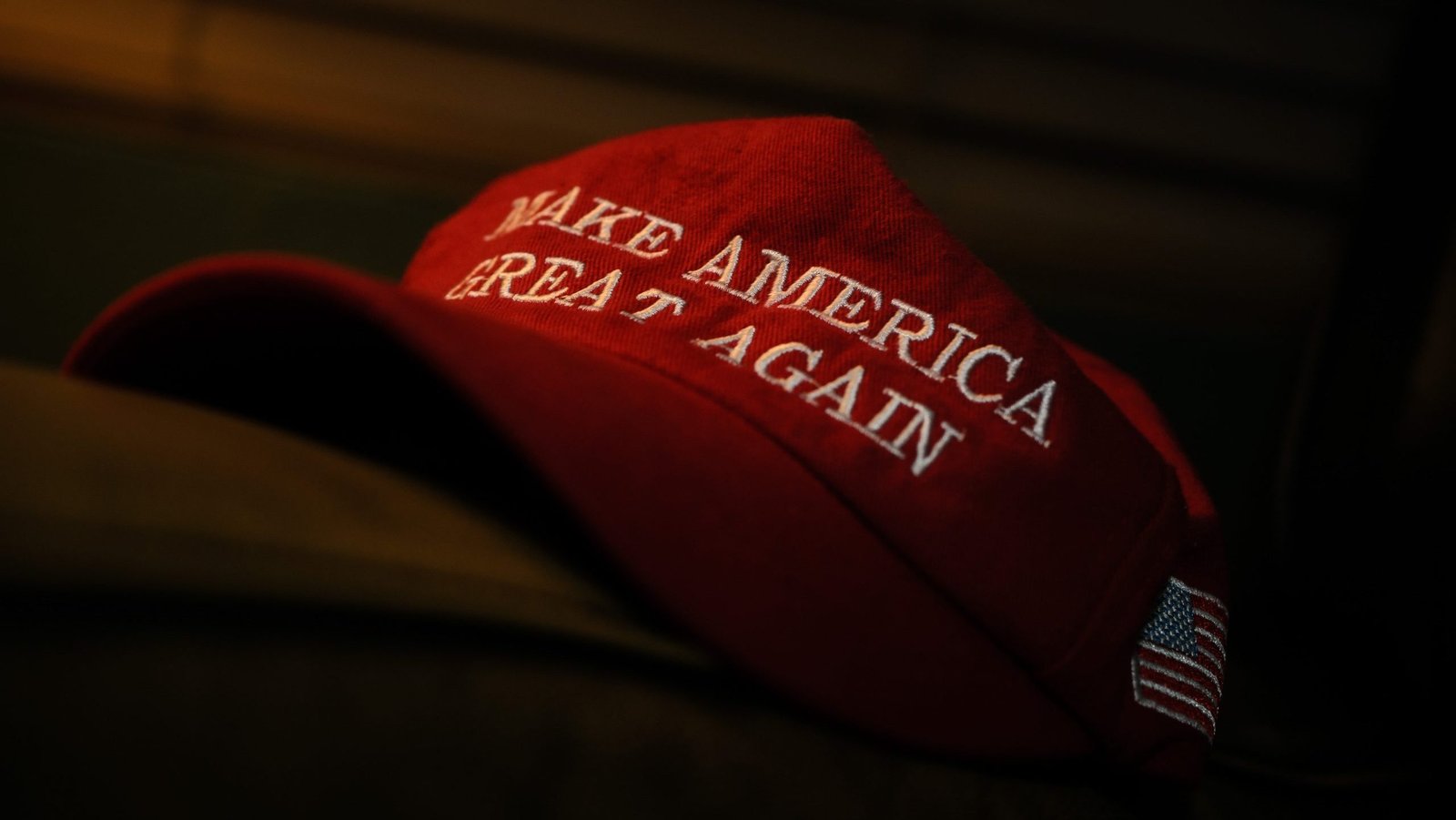
The trajectory of the MAGA movement in 2026 has sparked a growing debate among political theorists and grassroots activists alike. As the administration enters its second year, the very movement that defined itself by “draining the swamp” is increasingly grappling with the realities of governing, leading to accusations that it is absorbing the traits of the “establishment” it once sought to dismantle.
This shift is visible across several key pillars of the current political landscape, where the line between insurgent activism and institutional power has become blurred.
1. The Institutionalization of Personnel
A hallmark of the original movement was its outsider status, often clashing with the “interagency” and the “Deep State.” In 2026, however, the administration has successfully installed a loyalist infrastructure that functions with the efficiency of a traditional political machine.
- The New “K Street”: A new generation of lobbying firms and think tanks, such as the Center for Renewing America, has become the new gatekeeper of policy. Access to the West Wing now flows through a well-defined network of former campaign staffers and family confidants, mirroring the “revolving door” dynamics of previous eras.
- Judicial Overhaul: With the successful appointment of dozens of young, ideologically aligned judges to the federal bench, the movement has moved from “attacking the courts” to “becoming the courts.” This shift from critique to control is a classic hallmark of establishment consolidation.
2. The Use of “Big Government” Tools
One of the most striking developments of 2026 is the administration’s willingness to use the expansive power of the federal government to achieve its ends—tools that were once decried as “executive overreach” when used by predecessors.
| Traditional Establishment Action | The 2026 MAGA Equivalent |
| Federal Mandates | Use of Executive Order 14160 to bypass Congress and redefine birthright citizenship. |
| Industrial Policy | Aggressive use of tariffs and federal subsidies to “hand-pick” winners in the domestic manufacturing sector. |
| Surveillance/Data | The push for a national registry of verified voters and the use of federal subpoenas to compel universities (like UPENN) to provide identity-based lists. |
3. The “Incumbent” Defense
As seen in recent special elections in Florida (HD 87 and SD 14), the movement is now defending incumbents rather than primarying them.
- Protecting the Base: The administration has increasingly used the “bully pulpit” to protect loyalists from grassroots challenges, sometimes alienating the very “outsider” energy that fueled its rise.
- The Donor Class: Following the massive $50 million fundraiser at Mar-a-Lago earlier this year, critics note that the movement’s financial lifeblood is increasingly tied to billionaires and corporate interests, creating a “donor-driven” policy agenda that feels familiar to veteran Washington observers.
The Internal Friction: “No Kings” vs. The Crown
This evolution has not occurred without pushback from within the movement’s own ranks.
- The Populist Purge: Some original “MAGA” firebrands have expressed concern that the focus has shifted from “the people” to “the presidency.” This is evidenced by the rise of the “No Kings” protest movement, which—while largely led by the left—has attracted a subset of libertarians and constitutionalists who fear the movement has traded its principles for permanent power.
- The “Swamp” Redefined: Critics argue that the “swamp” wasn’t drained so much as it was “refilled with different water.” The presence of high-profile figures like Elon Musk and Vivek Ramaswamy in advisory roles has created a new elite that, while aesthetically different, wields an institutional influence that rivals the “Old Guard” of the GOP.
The Verdict of 2026
Whether this evolution is a “natural maturation” or a “betrayal of ideals” depends on one’s perspective. Supporters argue that the movement must become the establishment to effect lasting change, while detractors suggest that by adopting the methods of its enemies, the movement has lost its soul.