 By Trendsetter Tribune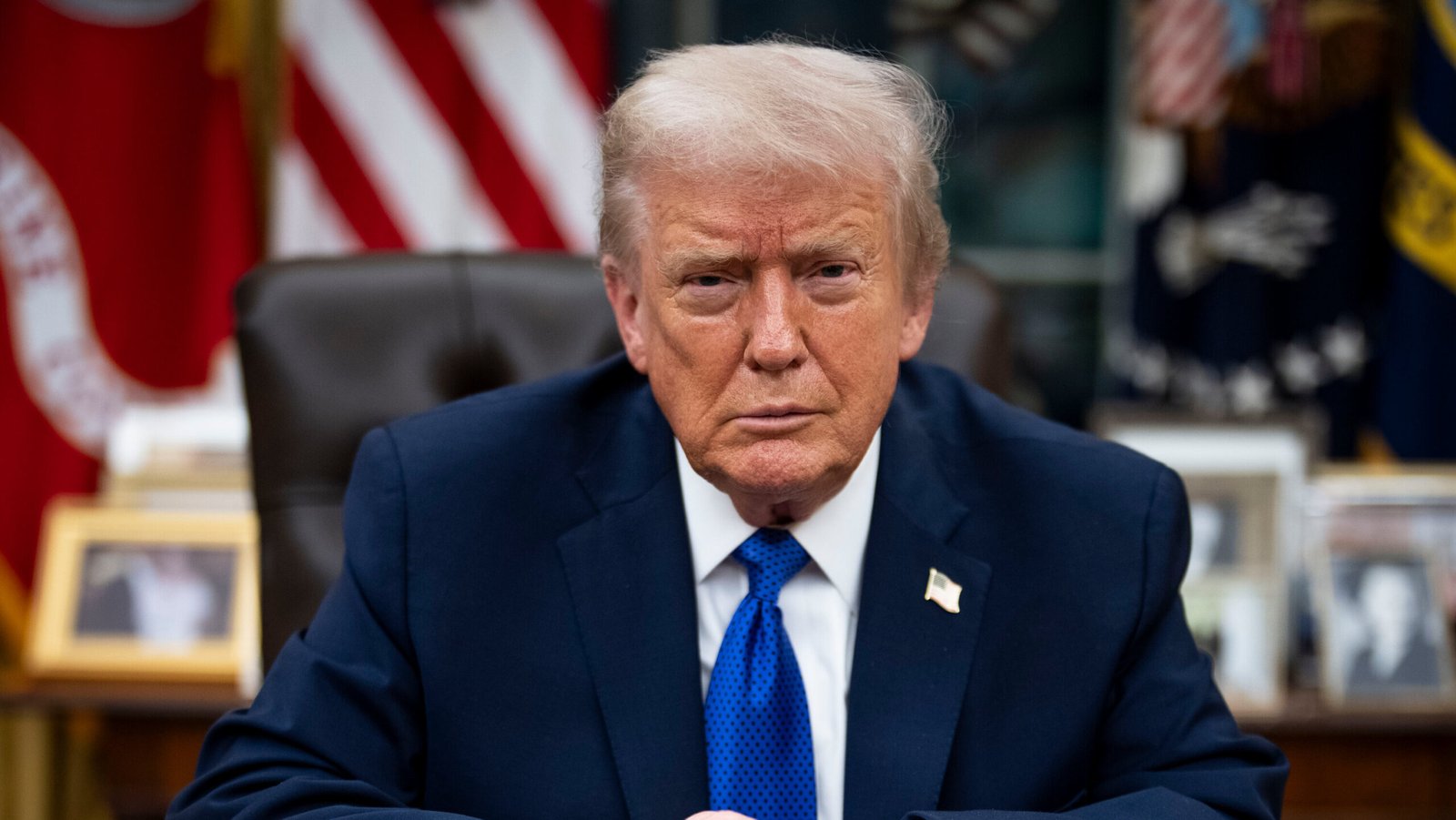
On Tuesday, March 17, 2026, President Trump announced the postponement of his highly anticipated diplomatic trip to Beijing, originally scheduled for late March. The President cited the ongoing military campaign in Iran—dubbed Operation Epic Fury—as the primary reason for remaining in Washington.
The delay comes as the war enters its third week, significantly upending the administration’s broader foreign policy and trade agenda.
The Call for a “Hormuz Coalition”
The postponement is tied to a strategic shift in the President’s approach to the conflict. While the operation began as a joint U.S.-Israeli show of force, the effectively closed Strait of Hormuz has created a global energy crisis that the President now insists must be a “team effort.”
- Pressure on Beijing: In an interview with the Financial Times on Sunday, Trump indicated that his visit with President Xi Jinping was contingent on whether China—the world’s largest importer of Middle Eastern oil—would commit warships to help secure the strait.
- The Reset: Speaking alongside Irish Prime Minister Micheál Martin on St. Patrick’s Day, Trump stated he would delay the trip by “five or six weeks” to “reset” the meeting, signaling that the U.S. expects China and other oil-dependent nations to contribute to the naval security mission before trade negotiations resume.
- Coordination Needs: Treasury Secretary Scott Bessent echoed this, noting that traveling abroad is “not optimal” while the President is actively coordinating the war effort and attempting to stabilize surging oil prices.
Conflict Update: Operation Epic Fury
The decision to stay in D.C. follows a series of dramatic escalations in the Persian Gulf over the last 48 hours:
- Regime Losses: Israeli and U.S. strikes have reportedly killed several high-ranking Iranian officials, including Ali Larijani (Secretary of the Supreme National Security Council).
- Gulf Retaliation: Iran has launched “waves” of retaliatory strikes against U.S. allies, including the UAE and Qatar. Strikes at Dubai Airport led to a temporary closure of airspace on Monday.
- Military Tally: U.S. Central Command reports that since February 28, over 7,000 targets have been hit and more than 100 Iranian vessels have been destroyed or damaged.
Risks of the Delay
Analysts suggest that while the delay allows Trump to focus on the “excursion” in Iran, it risks magnifying existing tensions with China.
- Trade Stagnation: The summit was intended to build on a fragile trade truce. With the trip delayed, investigations into Chinese industrial overcapacity and potential new tariffs remain in limbo.
- Alliance Friction: Trump’s public criticism of allies like Britain and Japan for their reluctance to send minesweepers into the strait has added a layer of diplomatic strain to the coalition-building effort.
The 2026 Diplomatic Calendar: Revised
| Original Date | Event | Revised Status |
| March 31 – April 2 | Trump-Xi Summit (Beijing) | Postponed (Target: Late April/May) |
| March 19 | Meeting with Japan PM Sanae Takaichi | Proceeding at White House |
| March 26 | Proposed Leon Black Deposition | Canceled (Due to BofA Settlement) |