 By Trendsetter Tribune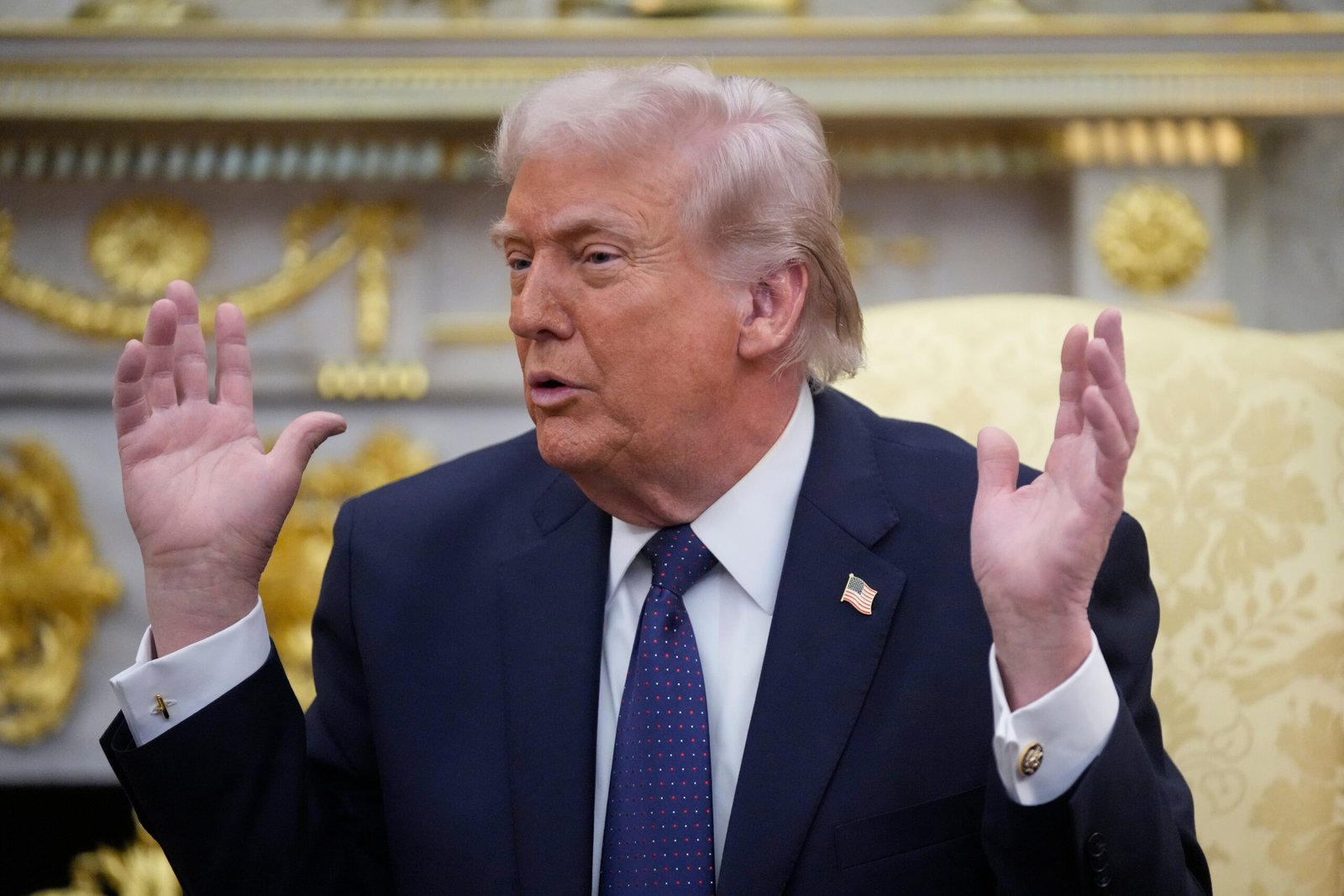
On Monday, March 30, 2026, the White House issued a dismissive response after the Spanish government officially closed its airspace to all U.S. military flights involved in the ongoing conflict with Iran. The move by Madrid is the most significant diplomatic rift within NATO since the war began on February 28, effectively forcing U.S. logistics and refueling aircraft to bypass the Iberian Peninsula.
While Spanish Defense Minister Margarita Robles characterized the war as “profoundly illegal and unjust,” the administration in Washington maintained that the restriction would have zero impact on military efficacy.
The White House Reaction: “Operation Epic Fury”
During the Monday afternoon briefing, a White House official downplayed the strategic significance of the closure, suggesting that Spain’s cooperation was neither expected nor required.
- The “Epic Fury” Status: “The United States Military is meeting or surpassing all of its goals under Operation Epic Fury and does not need help from Spain or anyone else,” a senior official told reporters.
- The “Cowardice” Label: On social media, the President was more blunt, labeling the decision by Prime Minister Pedro Sánchez as “COWARDICE” and promising that the U.S. “will REMEMBER” this lack of support from a NATO ally.
- Refueling Logistics: The U.S. had already begun withdrawing its KC-135 tanker fleet from Morón Air Base and Naval Station Rota earlier this month, relocating them to Ramstein Air Base in Germany and other loyalist NATO hubs to preempt this exact move by Madrid.
Economic Retaliation: The Trade Embargo Threat
The diplomatic fallout is rapidly shifting into the economic sphere. Following the airspace announcement, the administration reiterated its threat to impose a total trade embargo on Spain.
| Action | White House Position |
| Trade Sanctions | The President has directed Treasury Secretary Scott Bessent to explore cutting off all trade with Spain, stating, “Spain has been terrible… we don’t want anything to do with them.” |
| NATO Spending | The White House cited Sánchez’s refusal to meet the new 5% GDP defense spending mandate as further proof of Spain being a “delinquent” partner. |
| Tariffs | Reports suggest that a 100% tariff on Spanish agricultural exports, including olive oil and wine, is being drafted as an immediate retaliatory measure. |
Spain’s Stand: “Not a Single Cent, Not a Single Plane”
Prime Minister Pedro Sánchez remains the most vocal European critic of the U.S.-Israeli campaign, framing his refusal as a matter of international law and humanitarian necessity.
- Base Access Denied: Spain had already denied the U.S. permission to use its joint bases for offensive strikes. Monday’s airspace closure is the final step in completely “de-linking” Spanish territory from the conflict.
- The “Illegality” Argument: Sánchez told the Spanish Congress last week that “you cannot respond to one illegality with another,” referring to the initial Iranian provocations and the subsequent U.S. response.
- Exceptions: The closure does not apply to U.S. military flights in emergency situations, though “emergency” has been narrowly defined by the Spanish Ministry of Defense.
Impact on NATO Unity
The “Spain-US spat” has exposed a rare and public rift within the 32-nation alliance. While countries like the UK and Poland have remained steadfast allies in the Iran campaign, Spain’s defiance has emboldened other skeptical members, including Belgium and Ireland, to reconsider their own levels of logistical support for “Epic Fury.”